Table of Contents (18 sections)
Creating a beautifully designed space often involves a delicate balance of various elements, but one of the most transformative techniques is mixing textures in home decor. Texture adds depth and dimension, making a room feel inviting and visually interesting. In this guide, we'll explore ten essential tips that will help you blend different textures seamlessly, enhancing the overall aesthetic of your home.
1. Understand Texture Types
When mixing textures, it's vital to understand the different types available. Textures can be classified into three categories: tactile (surface feel), visual (appearance), and structural (form). Tactile textures include materials like velvet and silk, while visual textures can be achieved through patterns and colors. Structural textures refer to the shape and volume of items, such as chunky furniture versus sleek surfaces. Knowing these categories will help you make informed design choices.
2. Create Contrast
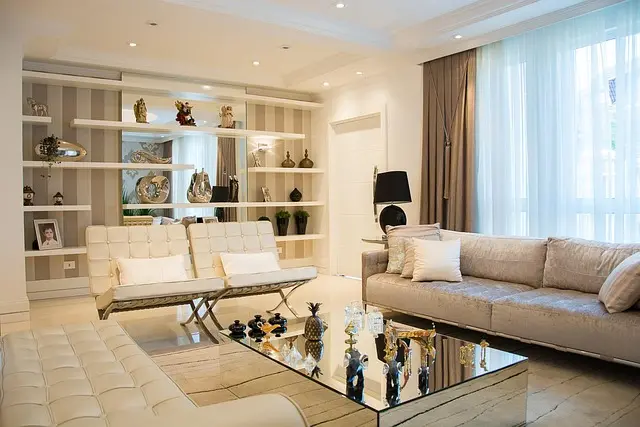
One of the primary principles in mixing textures is to create contrast. Pairing smooth textures with rough ones will draw attention and stimulate interest. For instance, consider combining a sleek, glass coffee table with a plush, knitted throw on your sofa. This contrast not only creates visual intrigue but also adds a dynamic quality to your space. According to recent surveys, rooms featuring contrasting textures are favored by 68% of decor enthusiasts for their visually appealing nature.

3. Layer Textures
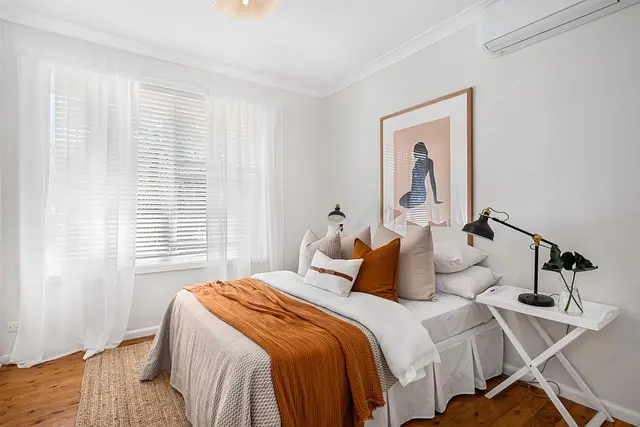
Layering different textures is a powerful technique to add richness to your decor. Start with a base texture, such as a neutral couch or chair, and build from there. Incorporate cushions made from different fabrics like linen, faux fur, and leather. This layering will create a cozy and inviting atmosphere, making the space feel more comfortable and lived-in. Remember, varying the size and shape of the layers contributes to a harmonious look.
4. Balance Bold and Subtle Textures
Balancing bold textures with subtler ones can achieve a cohesive design. For example, if you're using a statement wallpaper with a bold pattern, consider accessorizing with softer materials like cotton or jute in the rest of the space. This approach allows the bold textures to stand out while ensuring the room does not feel overwhelming. A balance of textures is not only visually pleasing but also creates a sense of harmony in your decor.
5. Focus on Color Coordination
Color plays an essential role when mixing textures. When textures are unified by a color palette, they can work together more effectively. For instance, if your main texture is a deep navy velvet sofa, you could include cushions in softer shades of blue and even introduce a creamy woven rug that ties the colors altogether. Harmonizing colors across various textures creates a more polished look. According to color theory, this coherence enhances the understanding of space without competing visual elements.
6. Use Accessories Wisely
Accessories are essential in achieving the ideal mix of textures within your home. Items such as throw pillows, rugs, and decorative objects can introduce new textures without overwhelming the space. For example, a chunky crochet blanket can add warmth to a smooth, modern sofa, while woven baskets can add an organic touch to wooden furniture. Utilizing accessories thoughtfully allows for easy updates and experimentation with designs.
7. Embrace Natural Materials
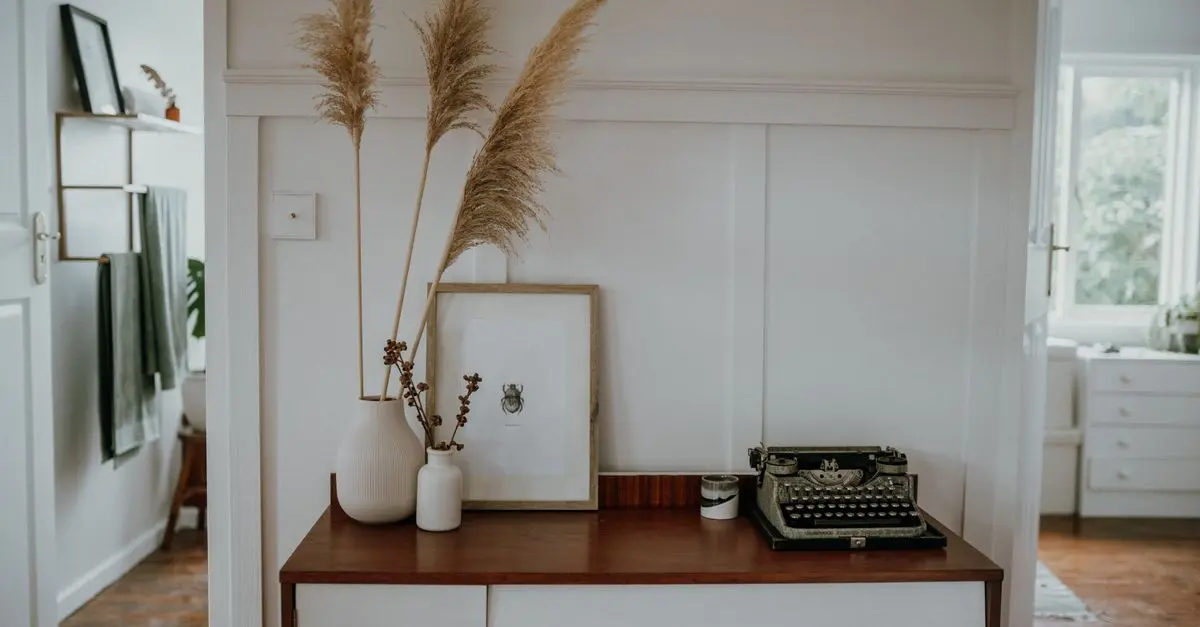
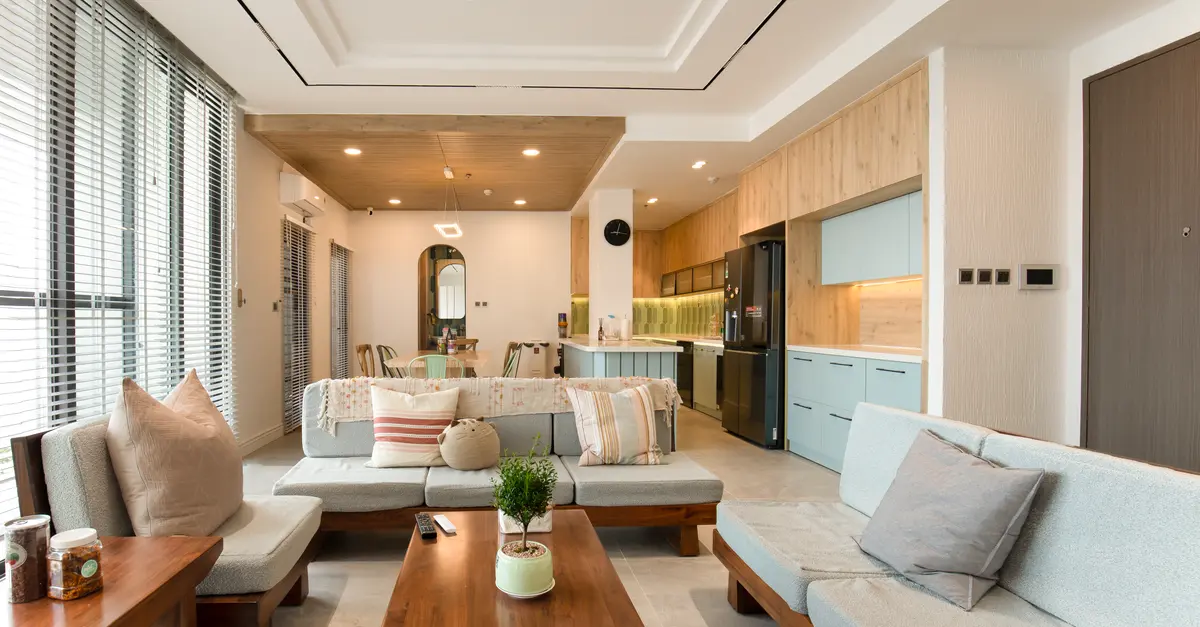
Incorporating natural materials such as wood, stone, and metal can add a touch of authenticity to your decor. These materials often possess intrinsic textures that create visual interest. Consider pairing a rustic wooden dining table with sleek, modern metal chairs. This juxtaposition of natural and modern materials creates tension that adds character to your space.
8. Practice Scale Variation
Varying the scale of textures is another way to enhance your design. Large, coarse textures, like a chunky knitted shawl or thick rugs, can be balanced with smaller, finer textures, such as silk or lace. This contrast in scale prevents monotony and encourages the eye to move around the room, making it feel more dynamic. Focus on achieving a balance between large and small to maximize the impact of your decor.
9. Incorporate Textured Walls
Textured walls can serve as great backdrops for your decor. For instance, a shiplap wall or a rough plaster finish can add visual interest, allowing you to keep other elements more subdued. Pairing textured walls with plush furnishings or sleek accessories creates depth in your design. Add colors that complement the wall texture to tie everything together successfully.
10. View It From All Angles
Finally, take the time to view your space from different angles. Often, what looks good from one perspective may not translate well from another. Walk around your home and look at how the textures interact in different lighting conditions and angles. Experiment until you achieve a balanced harmony between all the textures. Remember that a well-designed space is cohesive from every viewpoint.
📺 Resource Video
> 📺 For further insights: Exploring Texture Combinations for Home Decor, a comprehensive analysis of how to mix textures effectively. Look for this on YouTube by searching for: "mixing textures in home decor 2026".
Glossary
| Term | Definition |
|---|---|
| Tactile Texture | Refers to the physical feel of a surface, such as soft or rough. |
| Visual Texture | The appearance or design of a surface, influencing its look without affecting its feel. |
| Structural Texture | Concerned with the form and volume of items in the space, enhancing physical space dynamics. |
Checklist before Mixing Textures
- [ ] Understand different texture types
- [ ] Create contrasting textures
- [ ] Layer your textures effectively
- [ ] Balance bold and subtle textures
- [ ] Coordinate colors across textures
- [ ] Use accessories to enhance texture
- [ ] Embrace natural materials in decor
- [ ] Vary the scale of textures
- [ ] Incorporate textured walls
- [ ] Check visuals from different angles
Conclusion
Mixing textures in home decor can transform your space into a warm and welcoming environment. By following these tips, you can skillfully blend various textures, creating a home that not only looks beautiful but feels inviting. Don’t hesitate to experiment and find your unique style!
Recommended Products
Recommended Products
- Product 1 (context: Ideal for adding warmth and comfort in any room)
- Product 2 (context: Perfect for layering textures in your decor)
- Product 3 (context: Great for adding a unique texture contrast)
- Product 4 (context: Helps to unify various textures in your space)
- Product 5 (context: Essential for creating depth in decor)
📺 Pour aller plus loin : mixing textures in home decor 2026 sur YouTube
Recommended products
Selected by our experts
The Art of Tattooing: Mixing Big Stencil and Freehand Styles
Alison US CA
This product is great for layering styles and adding unique finishes that elevate your decor.