Table of Contents (17 sections)
In an age where environmental awareness is crucial, embracing sustainable decor becomes more than just a trend; it’s a lifestyle choice. From minimizing waste to utilizing eco-friendly materials, enhancing your home’s aesthetic while preserving the planet is both achievable and rewarding. In this article, we’ll explore ten innovative ways to infuse sustainability into your living spaces, creating a harmonious blend of style and environmental consciousness.
1. Upcycled Furniture Transformations
One of the most creative ways to engage with sustainable decor is through upcycling old furniture. This not only gives new life to unused items but also minimizes waste in landfills. For example, consider repainting an old wooden chair with non-toxic paint or reupholstering a vintage sofa with organic fabric. By doing so, you craft unique pieces that reflect your personality while supporting eco-friendly practices.
2. Biophilic Design Elements
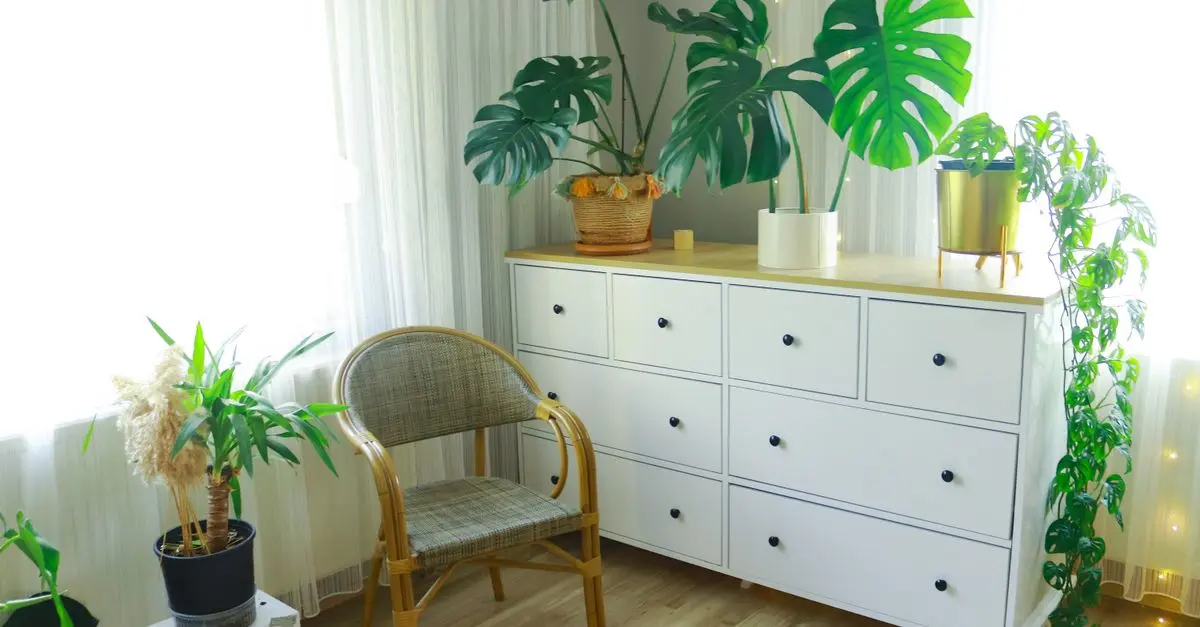
Biophilic design emphasizes our innate connection to nature, which can significantly enhance your home environment. By incorporating plants into your decor, you not only purify the air but also add aesthetic value. Choose local, native plants that thrive in your climate to minimize water use and help maintain local biodiversity. Research shows that indoor plants can reduce stress and improve concentration, making your home a healthier place to reside.

3. Sustainable Textiles
Opting for textiles made from organic or recycled materials is another pivotal step in adopting sustainable decor. Look for curtains, cushions, and rugs made from organic cotton, linen, or recycled polyester. Not only do these materials reduce environmental impact, but they also offer an inviting texture and look. Brands focusing on sustainability often provide transparency regarding their sourcing practices, allowing consumers to make informed decisions.
4. Solar-Powered Lighting Solutions
Transitioning to solar-powered lighting not only diminishes your carbon footprint but also reduces energy costs. Solar lights can be utilized both indoors and outdoors to create a warm ambiance, especially in garden settings. Innovations in solar technology now allow for stylish designs, from sleek wall sconces to decorative string lights, making it easy to incorporate them into your home.
5. Thrift Store Finds
Thrifting is a fantastic way to discover unusual decor pieces and contribute to sustainability. Vintage items are not only typically of higher quality than modern replicas, but they also add character to your home. A chic mid-century vase or an antique wooden tray can make a statement in your decor while promoting a circular economy. Embrace the history of each piece; just a simple story can add depth to your space.
📺 For further inspiration: Sustainable Home Decor Ideas , a complete guide on eco-friendly strategies. Search on YouTube: "sustainable home decor trends 2026".
6. Eco-Friendly Wall Paints
Traditional wall paints can contain harmful chemicals that affect indoor air quality. By opting for eco-friendly paints, you ensure a safe environment for your family and pets. Brands now offer low-VOC (volatile organic compounds) and natural paints that come in a spectrum of colors without sacrificing quality. When refreshing your home’s look, consider these options to maintain healthy air quality.
7. Smart Technology Integration
Integrating smart technology into your home can directly influence energy usage and efficiency. Smart thermostats, energy-efficient appliances, and automated lighting systems can significantly reduce your ecological footprint. For instance, smart lights can be programmed to turn off when not in use, and efficient appliances can help lower your water and power consumption.
8. Natural Accents: Wood and Stone
Incorporating natural materials like wood and stone in your decor can help create a timeless aesthetic. Sustainable timber from responsibly managed forests or reclaimed wood can be used for furniture and fixtures. Additionally, stone elements can provide durability and a connection to the earth, enhancing the natural feel of your home while supporting responsible sourcing.
9. Local Artwork
Supporting local artisans not only helps your community but also reduces the environmental impacts associated with shipping. By choosing locally made artwork, you bring a cultural touch to your decor while allowing your space to tell a story of its own. Seek out paintings, crafts, or sculptures that resonate with your personal style and values.
10. Checklist for Sustainable Buying
When adding new decor to your home, keep sustainability in mind. Here’s a quick checklist for your next purchase:
- [ ] Is the item made from eco-friendly materials?
- [ ] Can it be reused or repurposed?
- [ ] Is it produced by a socially responsible company?
- [ ] Does it support local economies?
- [ ] What is its life cycle and end-of-life disposal?
This approach enables mindful consumption, ultimately leading to a more sustainable home.
Conclusion
Incorporating sustainable decor into your home not only beautifies your space but also aligns with a lifestyle focused on environmental responsibility. From upcycled furniture to local art, each choice can reflect your values while making a significant impact on the planet. Embrace these innovative ideas, and you'll create a home that stands as a testament to your commitment to sustainability.
Glossary
| Term | Definition |
|---|---|
| Sustainable Decor | Design choices that are environmentally friendly and promote resource conservation. |
| Upcycling | The process of transforming waste materials into new products of better quality or value. |
| Biophilic Design | An approach that connects people with nature through architectural and design elements. |
Checklist before purchasing
- [ ] Choose eco-friendly materials
- [ ] Consider durability and longevity
- [ ] Support local artisans and manufacturers
- [ ] Evaluate energy-efficient options
- [ ] Verify the ecological certifications of products
Quiz: Are you ready to embrace sustainable decor?
> 🧠 Quick Quiz: What is the main benefit of upcycling furniture?
> - A) It costs less
> - B) It reduces waste
> - C) It looks unique
> Answer: B — Upcycling reduces waste and extends the life cycle of products.
📺 Pour aller plus loin : sustainable home decor trends 2026 sur YouTube
Recommended products
Selected by our experts
ISO 20400: Principles of Sustainable Procurement
Alison US CA
This resource provides principles of sustainable procurement, guiding you in making informed choices when selecting decor.