Table of Contents (11 sections)
Creating an eco-friendly home doesn't mean compromising on style. With careful planning and innovative decor solutions, you can enhance your living space while caring for the environment. This guide will walk you through several steps, ensuring your decor choices are both stylish and sustainable.
🏡 Step 1: Understand Eco-Friendly Decor
What is Eco-Friendly Decor? Eco-friendly decor refers to the use of materials and products that are sustainable, non-toxic, and typically sourced from renewable resources. The aim is to reduce your environmental footprint while creating a beautiful and functional living space. According to UFC-Que Choisir, an estimated 30% of harmful chemicals in homes come from conventional decor and cleaning products. By opting for eco-friendly solutions, you can improve indoor air quality and create a healthier environment for you and your family.
Why Choose Eco-Friendly Decor? The benefits transcend aesthetics. Sustainable decor helps conserve natural resources, minimizes waste, and reduces greenhouse gas emissions. The ADEME highlights that households collectively can significantly decrease their environmental impact by choosing sustainable materials and practices. The choices you make today can contribute to a healthier planet for future generations.
🎨 Step 2: Choose Sustainable Materials
When selecting materials for your home, prioritize those that are sustainable and ethically sourced. Here are some popular options:
- Bamboo: A fast-growing grass that requires minimal water and no pesticides, making it an excellent choice for furniture and flooring.
- Reclaimed Wood: By repurposing old timber, you help reduce deforestation and give character to your home.
- Natural Fabrics: Use organic cotton, hemp, or linen for curtains, upholstery, and linens to avoid synthetic chemicals.
Pro Tip: Always check for certifications like the Forest Stewardship Council (FSC) or Global Organic Textile Standard (GOTS) to ensure your materials meet sustainability criteria.
🛋️ Step 3: Incorporate Upcycled Decor
Upcycling involves transforming discarded items into something useful and beautiful. This not only saves resources but also adds unique charm to your home. Consider these ideas:
- Furniture: Transform old furniture with a fresh coat of eco-friendly paint. Look out for community flea markets or thrift stores for hidden gems.
- Art: Use repurposed materials to create art pieces. An old wooden palette can become a rustic photo display.
- Planters: Convert glass jars, old tires, or wooden crates into stunning planters. This approach promotes a less wasteful lifestyle.
Diving into upcycling projects allows for creativity while contributing positively to the environment.
📈 Step 4: Implement Energy Efficiency
Decor doesn't end with aesthetics; energy efficiency is crucial for eco-friendly living. Here’s how:
- Lighting: Replace incandescent bulbs with LED lights that use 75% less energy and last significantly longer. Les Numériques indicates that switching to LEDs can reduce overall home energy costs.
- Smart Technology: Smart thermostats and energy-efficient appliances can dramatically cut down on energy consumption. If you invest in these technologies, you'll not only save money but also minimize your carbon footprint.
Common Mistakes to Avoid: Don’t overlook proper insulation. Improper insulation can lead to significant energy losses.
🌱 Step 5: Integrate Indoor Plants
Adding indoor plants serves dual purposes: enhancing your decor while improving air quality. Some plants are particularly effective at filtering toxins. Consider:
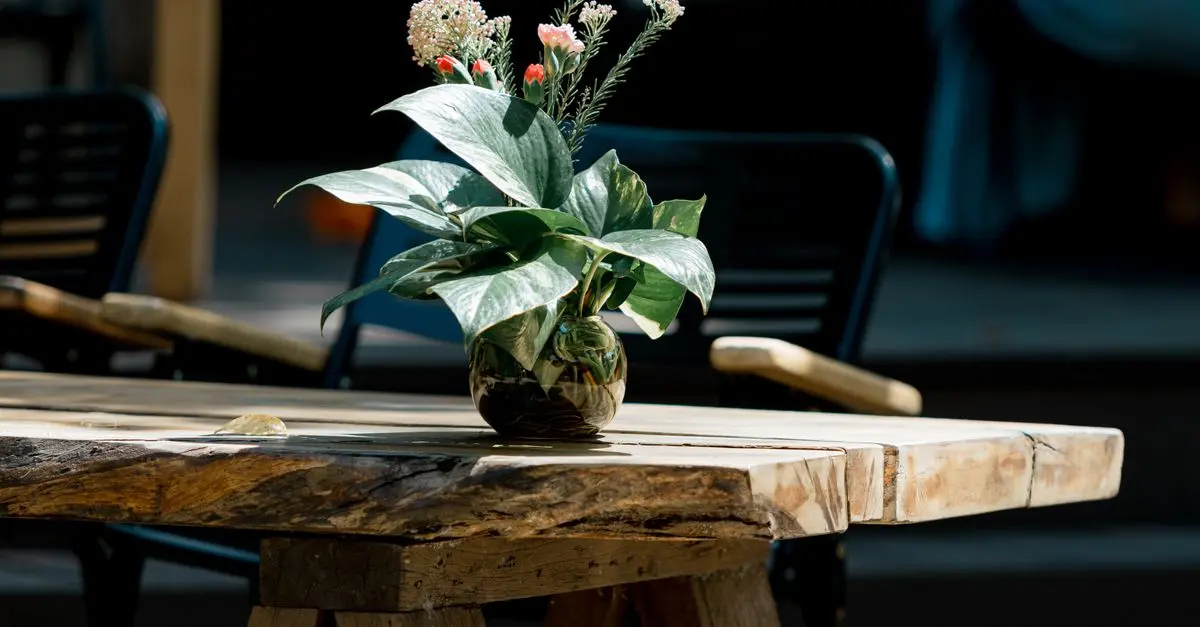
- Pothos: Known for its air-purifying qualities, it's also a hardy plant that thrives in various conditions.
- Snake Plant: An excellent choice for beginners, it requires minimal care and converts CO2 into oxygen at night.
- Peace Lily: This plant not only removes toxins but also adds a beautiful touch with its blooms.
Expert Opinion: According to environmental studies, having indoor plants can significantly enhance mental well-being while reducing stress.
📺 Resource Video
> 📺 To go further: Explore eco-friendly decor ideas for your home, a comprehensive guide on various sustainable decoration tips. Search on YouTube: eco-friendly home decor ideas 2026.
🗒️ Checklist Before Buying Eco-Friendly Decor
- [ ] Check material certifications (FSC, GOTS)
- [ ] Evaluate energy efficiency ratings
- [ ] Research the brand’s sustainability practices
- [ ] Look for upcycling opportunities
- [ ] Incorporate plants into your decor
🧠 Quiz Quick
> 🧠 Quick Quiz: What type of material is best for eco-friendly furniture?
> - A) Plastic
> - B) Bamboo
> - C) MDF
> Answer: B — Bamboo is a sustainable option due to its rapid growth and low resource requirements.
Glossary
| Term | Definition |
|---|---|
| Eco-Friendly | Practices or products that do not harm the environment. |
| Upcycling | The process of transforming waste materials into new products. |
| Sustainable | Methods of using resources that do not deplete or harm the planet. |
Conclusion
Creating a stylish home that reflects your values doesn't have to be a challenge. With the tips outlined in this article, you can implement eco-friendly decor solutions that enhance both functionality and aesthetics. Remember to make informed choices, prioritize sustainable materials, and embrace creativity through upcycling. Together, we can make a significant impact on our planet's future.
Ready to transform your home? Start your eco-friendly decor journey today!