Table of Contents (9 sections)
Understanding the evolution of interior design requires a look back at its beginnings and how it has transformed through the centuries due to cultural shifts, technological advancements, and changing lifestyles. Interior design is not merely about aesthetics; it reflects societal values and technological progress.
In ancient times, the purpose of homes was primarily functional; however, as societies progressed, personal expression and comfort became paramount. Architecture from the Renaissance era in Europe showcased artists' work within the interiors of buildings, leading to the emergence of distinct styles based on ornamentation and luxury. Simple materials gave way to opulence, and every element—furniture, fabric, and color—became a means of personal expression.
The Industrial Revolution marked a major turning point. Home design evolved dramatically due to the availability of new materials and mass production. Suddenly, what was once handcrafted became accessible to the average person. This democratization of design led to eclectic styles where different aesthetics were combined, an idea commonplace in our modern interior spaces today. Today, the evolution of interior design continues to grow dynamically with the influence of globalization and the green movement, pushing for sustainability in design choices.
Historical Influences on Interior Design
Throughout history, various factors have significantly impacted the evolution of interior design. These influences include art movements, cultural changes, and technological advancements. For example, the medieval period saw interiors focused primarily on utilitarian purposes, while the Renaissance sparked a revival in classical architecture and decorative arts that emphasized beauty and proportion.
During the 18th and 19th centuries, the rise of the bourgeoisie in Europe led to the creation of lavish interior spaces intended to showcase wealth. Styles such as Rococo and Neoclassicism introduced complex patterns, rich colors, and intricate details into homes. This served as the foundation for later movements like Arts and Crafts and Art Nouveau, which emphasized craftsmanship in reaction to industrialization, promoting handmade designs that valued natural forms and craftsmanship.
As we ventured into the 20th century, movements like Modernism arose, leaning towards minimalism and functional design. Iconic designers like Charles and Ray Eames and Le Corbusier challenged conventional norms, advocating for clean lines and an integration of function and form. This period introduced modular furniture and an emphasis on open spaces, shaping what we now regard as contemporary interior design. Today’s trends still reflect these historical undercurrents, often appropriating past styles into fresh reinterpretations.
Modern Trends and Their Inspirations
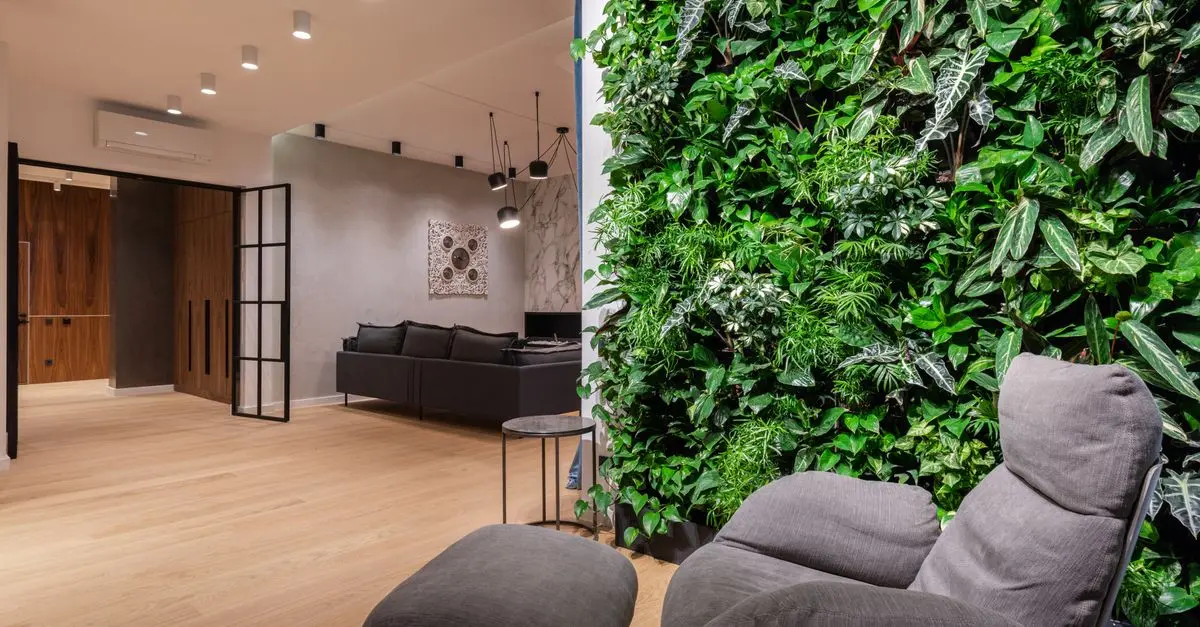
Today, the evolution of interior design is characterized by diverse styles that draw inspiration from past movements. Trends like biophilic design, which integrates nature with interiors, focus on creating environments that enhance well-being. According to a recent study by Terrapin Bright Green (2025), incorporating natural elements can reduce stress and improve productivity by up to 15%. This reflects an increased awareness of mental health and sustainable living in contemporary design practices.
Another notable trend is the embrace of sustainable materials in creating interior spaces. The concept of upcycling and using ethically sourced materials is prevalent as consumers become more conscientious about their environmental impact. Brands such as IKEA and West Elm have launched lines that prioritize sustainable design, catering to the changing preferences of the modern consumer.
In color trends, the influence of social media platforms like Instagram and Pinterest has led to a resurgence of bold, experimental designs. Many modern interiors are becoming showcases for personal style, featuring an eclectic mix of textures, patterns, and colors. By blurring the lines between decor styles, from vintage to contemporary, today's designers embrace the freedom to create visually captivating spaces that resonate deeply with individual identities.
Table of Key Design Movements
| Design Movement | Time Period | Key Characteristics | Notable Designers |
|---|---|---|---|
| Renaissance | 14th-17th C. | Ornamentation, symmetry | Leon Battista Alberti |
| Arts and Crafts | Late 19th C. | Craftsmanship, simplicity | William Morris |
| Art Nouveau | Late 19th C. | Organic forms, flowing lines | Gustav Klimt |
| Modernism | 20th C. | Minimalism, function over form | Le Corbusier |
| Biophilic Design | 21st C. | Nature integration, well-being | Various contemporary designers |
📺 Resource Video
> 📺 For further exploration: A visual history of interior design trends and techniques. Search on YouTube: "history of interior design evolution".
Expert Opinions
> 💡 Expert Insight: According to Sarah Gold, an interior designer with over a decade of experience, “Today’s clients are seeking spaces that not only look beautiful but also contribute positively to their well-being. This is the future trajectory of the interior design field.”
- What is the most influential interior design style?
Modernism is often cited as the most influential style because it radically changed societal perceptions of space and function.
- How has technology changed interior design?
Technology has introduced smart home features and virtual reality, enhancing both functionality and planning processes in design.
- What are current interior design trends?
Current trends include biophilic design, sustainable materials, and bold, eclectic aesthetics.
- How can I choose a style for my home?
Consider your personal preferences, lifestyle needs, and study various styles that resonate with you to create a cohesive design approach.
Checklist for Modern Interior Design
- [ ] Assess your space for potential improvements.
- [ ] Research styles that fit your personality.
- [ ] Choose sustainable materials where possible.
- [ ] Incorporate natural elements for well-being.
- [ ] Create a color palette that reflects your style.
Glossary
| Term | Definition |
|---|---|
| Biophilic Design | Design strategy that seeks to connect interior spaces with nature. |
| Modernism | Design movement focusing on minimalism and functionalism in architecture and decor.
| Upcycling | Process of transforming waste materials into new products for better environmental impact.
As we look towards the future, it's essential to embrace the insights and trends that have defined the evolution of interior design while considering how our living spaces can best serve us in an ever-changing world. The journey from past to present in interior design not only speaks to style and preferences but also showcases the evolution of our values and societal priorities. Explore your creativity in your spaces today!