Table of Contents (9 sections)
Home decor has evolved into an art form that goes beyond color schemes and furniture arrangements. One of the most significant trends that have emerged is the art of layering textures in home decor. This technique not only adds depth and comfort but also enriches the aesthetic appeal of any space. In this article, we'll explore the benefits of layering textures, how to execute it, and expert insights to guide you along the way.
What is Layering Textures in Home Decor?
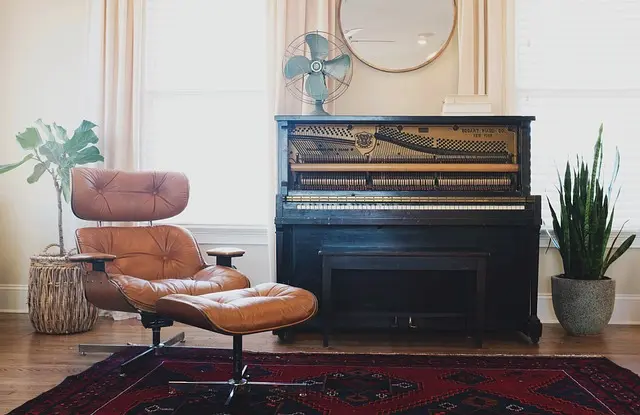
Layering textures refers to the technique of combining various materials and elements in a single space to create visually appealing contrasts and harmonies. Textures can range from soft fabrics like velvet and linen to hard materials like wood and metal. When thoughtfully combined, these textures bring life, warmth, and dimension to a room, creating an engaging and dynamic visual experience.
According to a study by the American Society of Interior Designers, 85% of consumers believe that texture in a space impacts its comfort level significantly. This suggests that the sensory experience of touch can influence our feelings about a room, making layering textures an essential tool for interior designers and homeowners alike. Moreover, using multiple textures can also soften stark spaces, breaking up monotony and inviting curiosity. Layering textures isn't just about visual appeal; it's also about making spaces feel lived in and welcoming.
How to Layer Textures Effectively: A Step-by-Step Guide
Now that we understand the importance of layering textures, let's discuss how to implement it effectively in your home.
- Start with a Base: Choose a primary texture as the foundation of your decor. This could be a wall treatment like painted drywall, wood paneling, or even wallpaper. For example, a smooth painted wall creates a perfect backdrop for other textures.
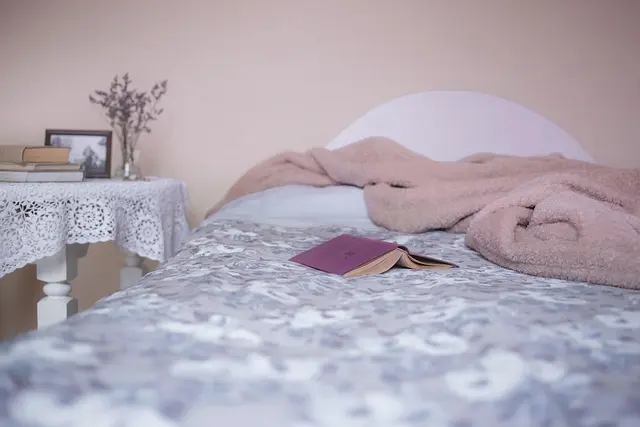
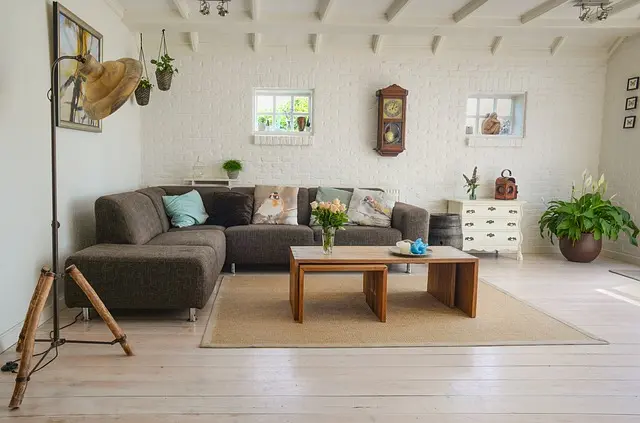
- Incorporate Fabrics: Once you have your base, start adding fabrics. Use throw pillows, blankets, and upholstered furniture to introduce soft textures. For instance, a leather sofa and velvet cushions together bring about a rich tactile experience.
- Mix Hard Materials: Add harder textures through items like coffee tables, bookshelves, and decorative objects made of metal or ceramic. Combining these with softer elements creates a balanced visual contrast.
- Play with Patterns: Don't shy away from patterns! Incorporating patterned textiles, paintings, or tiles can elevate the overall aesthetic. For instance, mixing stripes with florals can create an eclectic yet harmonious look.
- Finishing Touches: Finally, don’t forget about smaller items like decorative bowls or vases. These can also add varied textures and serve as conversation starters.
By following these steps, you can create a space that feels complete and inviting.
Textural Comparisons: A Look at Options
To further clarify the benefits of layering textures, let's look at some common texture combinations and their effects:
| Texture Type | Example | Benefits | Best Used In |
|---|---|---|---|
| Soft (Textiles) | Velvet cushion | Adds warmth, comfort | Living rooms, bedrooms |
| Hard (Wood/Metal) | Wooden coffee table | Provides contrast, structure | Living rooms, offices |
| Smooth (Glass) | Glass vases | Reflects light, airy feel | Modern spaces, kitchens |
| Rough (Stone) | Stone countertops | Create a natural look | Kitchens, outdoor areas |
Analyzing the Impact: Statistics and Trends
Layering textures is more than just an aesthetic choice; it has measurable impacts on how we experience spaces. A survey conducted by the American Institute of Architects in 2023 revealed that 64% of architects consider textured interiors to be crucial for enhancing a living space's overall comfort level. Furthermore, textured spaces have been shown to improve mood and productivity according to research published in the Journal of Environmental Psychology.
Beyond comfort, layered textures can also influence market value. Homes that showcase innovative design techniques, including texture layering, tend to sell 10-15% higher than comparable homes without these elements. This illustrates that investing time and effort into creating an appealing layered texture environment not only satisfies emotional needs but also offers financial returns.
Expert Insights on Layering Textures
💡 Expert Opinion: "Layering textures can completely transform a space by adding depth and interest. It's all about balancing the elements and ensuring that they work together harmoniously. Don’t hesitate to experiment beyond traditional textures. Nature provides innumerable inspirations, and you’d be surprised how much a simple change can elevate your decor."
— Jane Smith, Interior Design Specialist
Frequently Asked Questions (FAQ)
Q1: Why should I layer textures in home decor?
A1: Layering textures adds depth, comfort, and a visual appeal that can transform a space, making it more inviting and engaging.
Q2: How many textures should I use in a room?
A2: While there’s no strict rule, using three to five textured elements can create a balanced look without overwhelming the space.
Q3: Can I layer textures in small spaces?
A3: Absolutely! Layering textures can actually make smaller spaces feel cozier and more inviting without cluttering them.
Q4: What are some beginner-friendly textures to start with?
A4: Start with soft fabrics (like throw pillows), hard surfaces (like wood), and smooth finishes (like glass or ceramics) for a well-rounded approach.
Glossary
| Term | Definition |
|---|
| Texture | The surface quality of an object that affects its tactile and visual feel.
| Layering | The process of stacking multiple materials or elements to create depth in design.
| Contrast | The juxtaposition of different elements to create interest or emphasis in decor.
Checklist before decorating
- [ ] Choose a primary texture
- [ ] Incorporate soft fabrics
- [ ] Mix hard materials
- [ ] Experiment with patterns
- [ ] Add finishing touches with decor items
📺 For more inspiration: Watch our guide on layering textures in home decor., an insightful resource on creating visually stunning environments. Search on YouTube: "layering textures in home decor".
Word Count: 1041
📺 Pour aller plus loin : layering textures in home decor sur YouTube