Table of Contents (11 sections)
In recent years, the conversation around eco-friendly decor trends has evolved significantly. As we move towards a more sustainable future, the demand for decor that doesn’t just beautify but also respects our planet has surged. In 2026, homeowners are not only looking for style but also for substance in their choices. With an increased awareness of environmental issues, integrating sustainable practices into home decor is now more important than ever. This article will explore the latest eco-friendly decor trends that are set to dominate the market, providing practical tips and engaging examples to inspire a conscious lifestyle.
The Rise of Biophilic Design
Biophilic design is revolutionizing how we think about indoor spaces, making it one of the predominant eco-friendly decor trends in 2026. This concept revolves around integrating nature into our interiors, fostering a connection between people and the natural world. The trend emphasizes using natural materials, light, plants, and colors that evoke the outdoors. Research indicates that environments rich in greenery can reduce stress and increase overall well-being (Source: UFC-Que Choisir).
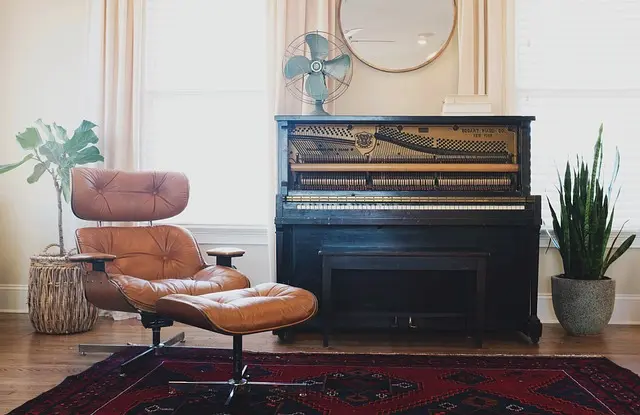
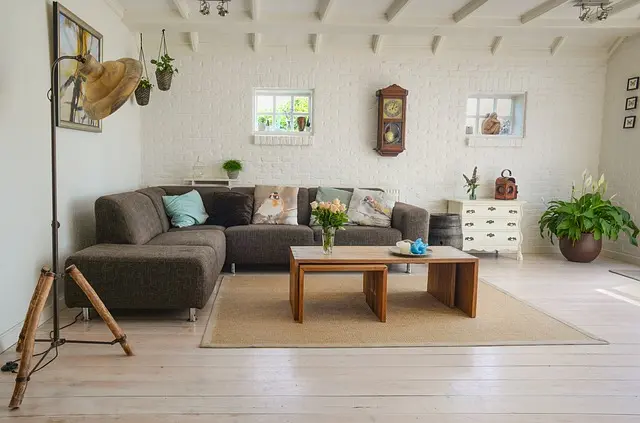
Incorporating biophilic elements can be as simple as installing living walls, using wooden furniture, or choosing decor that features earth tones. For example, consider indoor plants like snake plants or peace lilies, which not only purify the air but also add vibrancy to any room. As this trend continues to grow, expect to see more designs that embrace natural forms and textures, pushing boundaries in sustainable design.
Upcycled and Reclaimed Materials
Another compelling trend is the utilization of upcycled and reclaimed materials. With the global push towards reducing waste, designers are increasingly sourcing materials that have been repurposed from existing products. This includes everything from reclaimed wood for furniture making to rugs crafted from recycled fabrics. According to a study by The Ellen MacArthur Foundation, upcycling can significantly reduce carbon emissions and landfill waste (2025 report).
You might see items like dining tables made from reclaimed barn wood or decorative pieces crafted from old glass bottles. This trend not only helps in minimizing resource consumption but also brings unique character and history to the home. When selecting decor, embracing pieces with a story enhances your living space while contributing positively to the environment.
Uplifted Trends Breathable Zero Pressure Cervical Neck Pillow Washable TPE Latex Support For Neck Pain Relief no Pillowcase
inspireuplift.com
Minimalism with a Green Measure
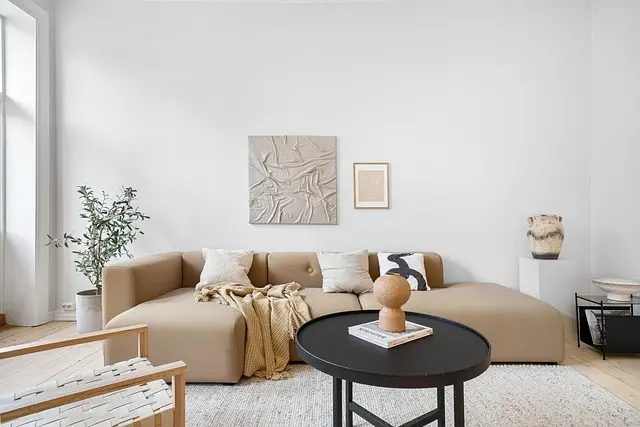
As we enter 2026, minimalism is being redefined to intertwine with sustainability. Minimalist decor advocates for the idea of “less is more,” encouraging homeowners to focus on quality over quantity. This means selecting fewer, high-quality pieces that are made with sustainable practices or materials. Minimalism reduces clutter, which can lead to a more peaceful environment while promoting responsible consumption.
Incorporating sustainable styles aligned with minimalism may involve choosing durable furniture, neutral colors, and multi-functional decor items. For instance, investing in multi-use furniture, such as a sofa that converts into a guest bed, reduces the need for excess items. This approach not only declutters spaces but also lessens environmental impact, supporting the notion of sustainability.
Smart Home Technology Integration
In 2026, the integration of smart home technology has paved the way for more sustainable living environments. Smart devices can optimize energy use, helping homeowners to reduce their carbon footprint. Innovations such as smart thermostats, energy-efficient lighting, and automated systems that regulate power consumption are becoming essential components of eco-friendly design.
Statistics reveal that smart home technology can reduce energy consumption by up to 30% (Source: INSEE, 2025). Equipping your home with such technologies not only leads to more significant savings on energy bills but also lessens the environmental impact. In this trend, eco-friendly decor and advanced technology go hand in hand, creating spaces that are both stylish and sustainable.
Customization with Natural Dyes
In a world where mass production is the norm, a significant trend is emerging—customization with natural dyes. In 2026, there is a significant shift toward using natural, biodegradable dyes sourced from plants and minerals for textiles and wall colors. This trend promotes sustainability and personal expression.
The rise of customizable decor allows homeowners to select unique color palettes that resonate with their personal aesthetics while ensuring the materials are eco-friendly. Natural dye techniques can be applied to everything from curtains to upholstery, giving a one-of-a-kind feel to any space. With this movement, consumers can meaningfully participate in the eco-friendly revolution, making conscious choices about their decor.
Eco-Friendly Decor for Outdoor Spaces
Outdoor spaces are no longer just an extension of our living areas; they are becoming sanctuaries for relaxation and connection with nature. In 2026, eco-friendly trends in outdoor decor are gaining momentum, with a focus on sustainable, weather-resistant materials and products. Items like furniture made from recycled plastic or sustainably-sourced wood are setting new standards.
In addition to materials, landscaping with native plants promotes biodiversity and requires less water, making it a sustainable choice. According to the ADEME, native plants are better suited for local climates and provide vital habitats for wildlife. Whether it’s a balcony or a backyard, integrating eco-conscious materials and practices into outdoor spaces not only enhances aesthetics but also fosters ecological balance.
Conclusion
Embracing eco-friendly decor trends in 2026 means embracing a lifestyle of mindfulness and sustainability. By integrating biophilic design, utilizing reclaimed materials, advocating for minimalism, incorporating smart home technology, customizing with natural dyes, and investing in outdoor eco-friendly decor, homeowners can turn their spaces into havens that reflect a commitment to the planet. Together, we can create homes that are not only beautiful and functional but also contribute positively to our environment. Stay inspired and make conscious choices in your decor journey!
📺 For more insights: Transform Your Home with Eco-Friendly Decor,
explore innovative ideas on sustainable design. Search on YouTube: eco-friendly decor 2026.
Glossaire
| Terme | Définition |
|---|---|
| Biophilic Design | Design concept that incorporates natural elements into indoor spaces. |
| Upcycling | Process of transforming waste materials into new products to reduce waste. |
| Natural Dyes | Dyes derived from natural sources used in textile and decor design. |
Checklist avant achat
- [ ] Research the origin of the materials.
- [ ] Check for energy efficiency ratings if applicable.
- [ ] Consider the lifecycle of the product.
- [ ] Look for customization options.
- [ ] Explore local artisans for unique pieces.
🧠 Quiz rapide : What is a key benefit of biophilic design?
- A) It lowers costs.
- B) It enhances well-being.
- C) It uses synthetic materials.
Réponse : B — Biophilic design promotes a connection with nature, enhancing overall well-being.
📺 Pour aller plus loin : eco-friendly decor trends 2026 sur YouTube
Recommended products
Selected by our experts
Uplifted Trends Breathable Zero Pressure Cervical Neck Pillow Washable TPE Latex Support For Neck Pain Relief no Pillowcase
inspireuplift.com
Experience superior neck support with this eco-friendly cervical pillow suitable for a sustainable lifestyle, promoting comfort and well-being.