Table of Contents (10 sections)
What is Feng Shui?
Feng Shui is an ancient Chinese practice that focuses on the arrangement of space to create harmony and balance. It is rooted in the idea that our environments influence our quality of life. By aligning the energy flow, or "chi," in our homes with the principles of feng shui, we can promote positive energy, which can enhance our health, wealth, and relationships. Proper feng shui decor takes into account the five elements—wood, fire, earth, metal, and water—and emphasizes the importance of placement, colors, and natural elements.
According to a 2025 study by the International Feng Shui Association, homes designed with feng shui principles report a higher level of satisfaction among their occupants. This suggests that people are not only drawn to aesthetically pleasing decor but also to spaces that make them feel good energetically.
Step 1: Understanding Feng Shui Basics
Before diving into feng shui decor, it's crucial to grasp its foundational concepts. The Bagua map is a primary tool in feng shui, which designers use to analyze the energy centers within a space. This eight-sided grid correlates different areas of your life—such as wealth, health, and love—with specific sectors of your home, guiding you on where to focus your decor efforts.
To begin, acquire a Bagua map and overlay it onto your home’s floor plan. Each section on the map should align with corresponding areas of your space. For example, the wealth corner is traditionally located in the far left corner of your home from the entrance, and enhancing this space with elements such as plants or water features can promote financial abundance.
Additionally, understanding the flow of energy (also termed "chi") in your home is essential. Aim to keep pathways clear, allowing chi to circulate fluidly.
Step 2: Assessing Your Space
Once you understand the basics, it's time to assess your current decor and identify areas for improvement. Walk through each room and evaluate the level of clutter, light, and airflow. Clutter can block the flow of chi, so consider minimizing it by organizing and decluttering regularly.
Pay attention to lighting—natural light is preferred in feng shui, as it invigorates a space. Consider using sheer curtains to let light in while maintaining privacy. Airflow is equally vital; opening windows regularly encourages fresh air circulation. Use air-purifying plants like snake plants or peace lilies to contribute positively to the environment.
A recent study from The Environmental Psychology Journal (2025) indicates that well-lit and ventilated spaces can increase productivity and emotional well-being by up to 25%. Thus, your assessment could significantly impact your home's ambiance and your overall mood.
Step 3: Incorporating Natural Elements
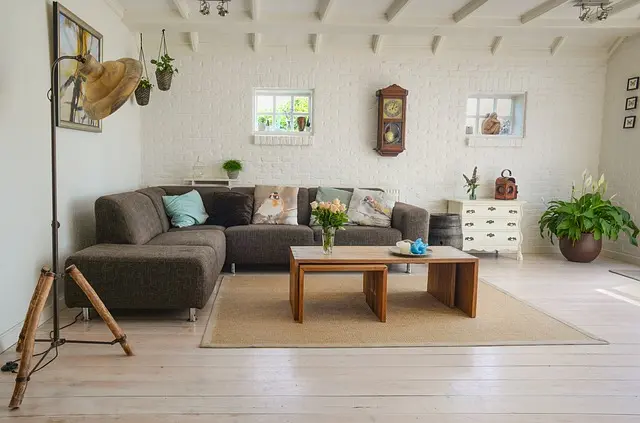
Integrating natural elements into your decor is fundamental in feng shui. The absence of nature in your living space can lead to stagnant energy. Wood, water, metal, earth, and fire need to be represented in your home.
For instance, incorporating plants like bamboo or pothos not only brings designated areas to life but also symbolizes growth and prosperity. You can add water features such as a small indoor fountain, which represents the abundance of wealth
Moreover, wooden furniture can evoke grounding energy. Combining these elements serves to harmonize your space and balance out the fluctuating energies brought in by artificial materials and furnishings.
Step 4: Choosing Colors Wisely
Color plays a crucial role in feng shui decor—each hue relates to different aspects of life. For instance, green symbolizes growth, health, and tranquility, while red can energize a space, attracting luck and vitality. When choosing colors for your home, consider their influence on mood and environment. According to the Color Theory Institute, over 90% of decisions affecting emotions and perceived atmosphere are influenced by color.
To effectively implement feng shui principles, decorate each sector of your home with the corresponding colors as per the Bagua map. For example, the career corner (located at the front-center of your space) can benefit from black and blue tones, representing water that nurtures career flow.
Choosing the right colors is about more than aesthetics; it's an investment in the harmony and energy of your surroundings.
Step 5: Furniture Arrangement
The arrangement of furniture can dramatically alter the energy flow in any room. Ideally, furniture should allow for fluid movement and interaction while providing a sense of security—a good way to achieve this is through “command position” placement.
Positioning your bed or desk where you can see the door without being directly in line with it promotes a sense of control while sleeping or working. Avoid sharp corners pointing at seats as they can cause negative energy; instead, opt for rounded furniture to soften the ambiance.
Another note is to avoid putting furniture against the wall; rather, create cozy conversation areas that encourage interaction and warmth. In feng shui, the goal is to create an environment that fosters comfort and positivity.
Checklist Before You Start
- [ ] Obtain a Bagua map for your space.
- [ ] Assess light and airflow.
- [ ] Declutter each room thoroughly.
- [ ] Choose natural elements to include in decor.
- [ ] Select colors according to the Bagua map.
- [ ] Arrange furniture for optimal energy flow.
Glossary
| Term | Definition |
|---|
| Chi | The life force or energy that flows through the environment.
| Bagua | A tool used in feng shui to map out different areas of life in a space.
| Elements | The five core elements (wood, fire, earth, metal, water) that represent different energies in feng shui.
Quick Quiz
> 🧠 Quick Quiz: Which natural element is vital for wealth energy in feng shui?
> - A) Water
> - B) Fire
> - C) Earth
> Answer: A — Water features, like fountains, attract wealth.
📺 To go further: Explore the depths of feng shui decor, a complete guide to enhancing your living space with energy flow principles. Search on YouTube: "how to implement feng shui decor 2026".