Table of Contents (12 sections)
Creating a functional entryway is crucial for both aesthetic appeal and practicality. An entryway often sets the tone for the rest of the home, welcoming guests while providing a space for everyday essentials. Below, we explore essential steps and considerations to design an entryway that strikes a perfect balance between style and utility.
1. Understand the Purpose of Your Entryway
Before diving into design choices, it's crucial to understand the purpose of your entryway. This area serves many functions: it's where you greet guests, store outdoor items, and begin or end your day. The key aspect here is organization. To achieve a functional entryway, evaluate the different items you and your family frequently use. This includes shoes, coats, bags, and other outdoor apparel. According to a survey by UFC-Que Choisir, 70% of homeowners express a desire for better organization in their home entrances. By recognizing the need for storage, creating a checklist of must-have features, and understanding your family's routine, you can design an area that enhances convenience and promotes a tidy living space.
2. Choose the Right Furniture and Storage Solutions
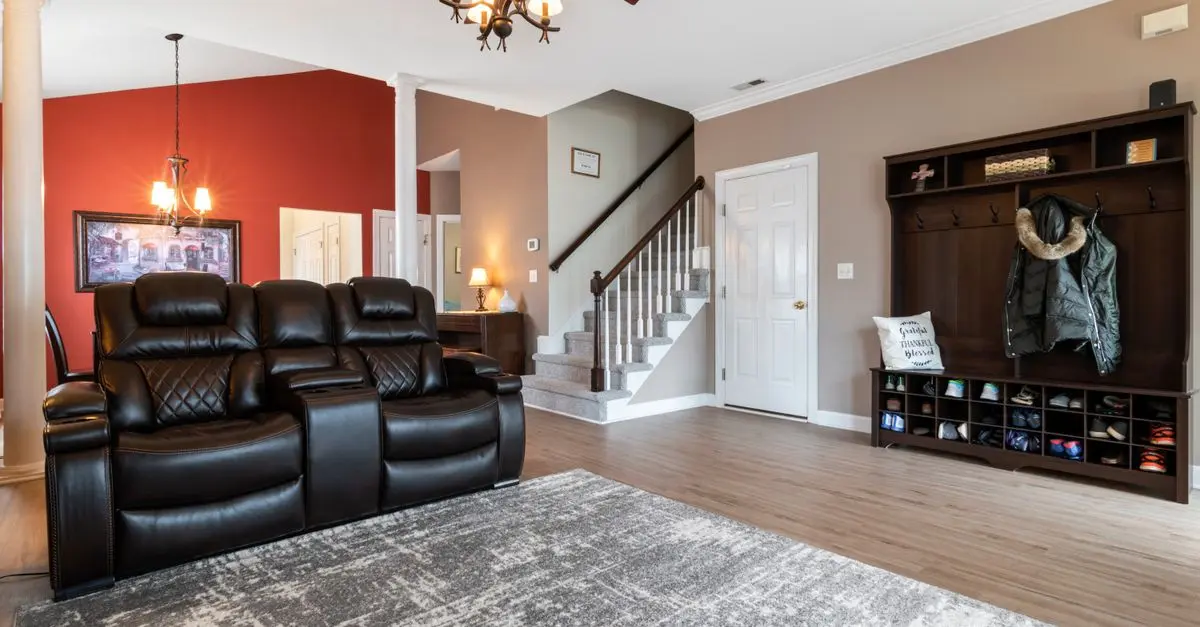
Once you have determined the needs of your entryway, selecting appropriate furniture and storage solutions comes next. Benches, console tables, and shelves are excellent choices that can provide functionality without overcrowding the space. For example, a bench can serve as a seated area for putting on or taking off shoes, while providing storage underneath for shoes or baskets to contain smaller items. Wall-mounted shelves can also be practical for organizing keys and mail, keeping essential items quickly accessible.
Make sure to measure your space accurately. An overlooked mistake is choosing oversized furniture that can make the entryway feel cramped. Instead, opt for multi-functional pieces and consider vertical storage solutions. This not only maximizes space but also adds an attractive visual element to the design.
3. Focus on Key Design Elements
In designing a functional entryway, consider integrating key design elements that enhance usability and visual appeal. For example, use decorative hooks for hanging coats or bags, but choose styles that work harmoniously with your overall décor. Perhaps incorporate a mirror to give the illusion of a larger space while also providing a practical feature for last-minute checks before leaving the house.
Choose color schemes and materials that match the rest of your home. Neutral colors create a calming effect, while bold colors can make a statement. Additionally, lighting plays a critical role. Adequate lighting is essential for safety and functionality. Consider layered lighting, combining overhead fixtures with wall sconces or table lamps, to create a bright, welcoming atmosphere.
📺 For More:
> 📺 Explore Functional Entryway Designs
> Enhance your interior with this informative YouTube video. Search on YouTube: "functional entryway design ideas."
4. Create a Seasonal Rotation System
To keep your entryway functional year-round, consider implementing a seasonal rotation system for outdoor items. Seasonal changes often alter the items we need access to—for example, winter coats and boots versus summer sandals and lighter jackets. Designate specific storage for different seasons to simplify transitions. Implement bins or baskets that can be easily swapped out: during summer, you might display flip-flops and sunscreen, while winter could call for heavier gear.
Many people overlook this method, leading to a cluttered space filled with off-season items. Rotating current essentials not only promotes organization but also encourages a visually appealing entryway. This is an effective way to maintain harmony in design, keeping your door space stylish and practical.
5. Add Personal Touches
Finally, personalizing your entryway with decor can infuse your unique character into your home. Items such as family photos, personal artwork, or decorative accents can make your entryway inviting and reflect your style. Be cautious, however, to maintain a balance between decoration and functionality; items should not obstruct often-used areas.
Plants, small tables, or tasteful art—whatever aligns with your aesthetics—can elevate the visual interest of the space. Remember that the goal is to enhance functionality while ensuring that your entryway is a welcoming point for guests. Aim for a cohesive look that still allows for the necessities of everyday life.
Comparison Table of Entryway Solutions
| Feature | Storage Bench | Console Table | Wall Hooks | Baskets |
|---|---|---|---|---|
| Functionality | High | Medium | Low | Medium |
| Storage Capacity | High | Medium | Low | High |
| Space Consumption | Medium | Low | Varies | Low |
| Style Flexibility | High | High | Medium | Medium |
| Verdict | Best for compact spaces needing max storage | Good for design focus with moderate functionality | Best for quick access | Best for organization of small items |
6. Consider Safety and Accessibility
Especially in homes with children or elderly inhabitants, safety should be at the forefront of your mind. Ensure that all items are stored where they are easily accessible but out of the way enough to prevent accidents. Items like keys and bags should be placed at head height, while heavier items should be stored lower.
Also, consider materials that resist wear and tear, especially on floors—area rugs can enhance aesthetic appeal but should have non-slip backings to reduce fall hazards. Additionally, ensure all furniture is sturdy and suitable for all ages in your family. Safety does not have to compromise the style of your entryway, but should remain a priority in your planning process.
Checklist Before Your Entryway Makeover
- [ ] Evaluate the purpose and usage of the entryway
- [ ] Measure the available space and consider furniture dimensions
- [ ] Choose functional and stylish pieces that fit your theme
- [ ] Plan for seasonal transitions of items and storage
- [ ] Personalize while maintaining functionality
- [ ] Ensure safety and accessibility for all users
Glossary
| Term | Definition |
|---|---|
| Entryway | The space at the entrance of a home, often where guests are welcomed and storage solutions are implemented. |
| Functional Design | An approach focused on usability and practicality, as well as aesthetics in space planning. |
| Storage Solutions | Organized methods to store items efficiently, like cabinets, shelves, and baskets. |