Table of Contents (10 sections)
Introduction
When living in a compact area, making smart furniture arrangements is both a necessity and an art. Proper planning allows us to maximize the use of available space while maintaining an aesthetically pleasing design. In 2026, with more people embracing minimalism, the demand for functional yet innovative furniture arrangements continues to rise. This article explores various methods of arranging furniture in small spaces, focusing on practicality and style.
1. Assess Your Space
Before making any modifications, it's crucial to assess the space you have. Begin by measuring the dimensions of your room and taking note of architectural features like windows, doors, and electrical outlets. It’s also essential to consider how you use the space. Are you looking for a cozy reading nook, a workspace, or a comfortable living area? Create a floor plan that reflects these needs.
Pro Tip: Use apps or online tools like RoomSketcher or Floorplanner to visualize different arrangements before moving items around physically.
2. Select Multi-Functional Furniture
To optimize small spaces, choose furniture that serves multiple purposes. For example, look for a couch that converts into a bed or an ottoman with storage inside. A foldable dining table can easily be tucked away when not in use, while a Murphy bed can free up floor space during the day. This not only maximizes functionality but also keeps your decor uncluttered.
3. Create Zones
Dividing your small space into functional zones can drastically change its usability. Use rugs or furniture placement to demarcate specific areas, such as a reading nook or a work zone. For example, position a small desk in a corner with a lamp and a shelf nearby, while a comfy chair can create a reading zone elsewhere. This helps to maintain a sense of organization, making the space feel larger than it is.
4. Floating Furniture Arrangement
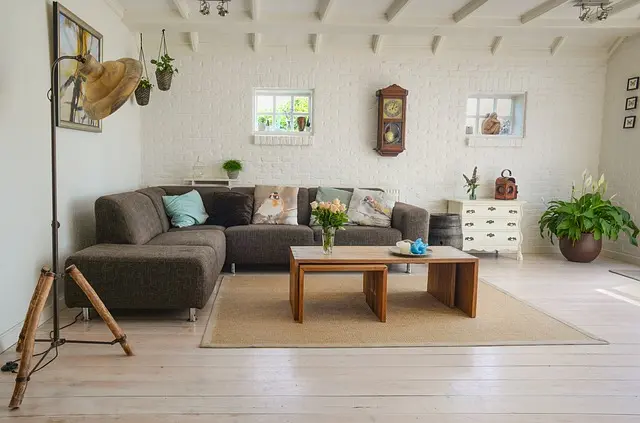
Consider a floating arrangement, which means positioning furniture away from the walls. This technique invites flow and makes a room feel more spacious. For instance, a sofa can define a central area without the constraints of traditional wall-hugging arrangements.
Example: In a studio apartment, you could place a sofa in the middle of the room with a small coffee table, allowing for a clear path around it while keeping the sleeping area separate from the living space.
5. Vertical Space Utilization
Utilizing vertical space is crucial in small rooms. Invest in tall bookshelves or wall-mounted shelves that draw the eye upward. Place decorative items or books on these shelves to add personality without taking up precious floor space. Hanging plants or artwork can also enhance the vertical appeal of a room.
Statistical Insight: Studies show that utilizing vertical space can increase perceived room size by up to 15%.
6. Rethink Traffic Flow
Evaluate how you and others move around your space. Allow enough room between furniture for easy passage. A common mistake is overcrowding a space with too much furniture, which makes it feel cramped. Leave at least 24 inches between furniture pieces for comfortable movement, especially in areas like dining spaces or between seating.
7. Personal Touches
While functionality is essential, don’t forget to add elements that reflect your personality. Incorporate artwork, plants, or accent pillows that complete the look and feel of your space. A few personal touches can make any compact area feel like home.
Checklist:
- [ ] Measure the space accurately
- [ ] Select multi-functional furniture
- [ ] Create defined zones
- [ ] Experiment with floating arrangements
- [ ] Utilize vertical space creatively
- [ ] Ensure easy traffic flow
- [ ] Add personal decorative elements
📺 Resource Video
> 📺 For further insights: *