Table of Contents (12 sections)
In recent years, the concept of sustainability has permeated various aspects of our lives, especially in home decor. We are witnessing a remarkable shift towards sustainable decor trends, which focus not only on aesthetics but also on environmental responsibilities. Embracing these practices can transform your living space into an eco-friendly haven. Here, we delve into the prominent trends of 2026 and explore how you can adopt them in your home.
1. Biophilic Design
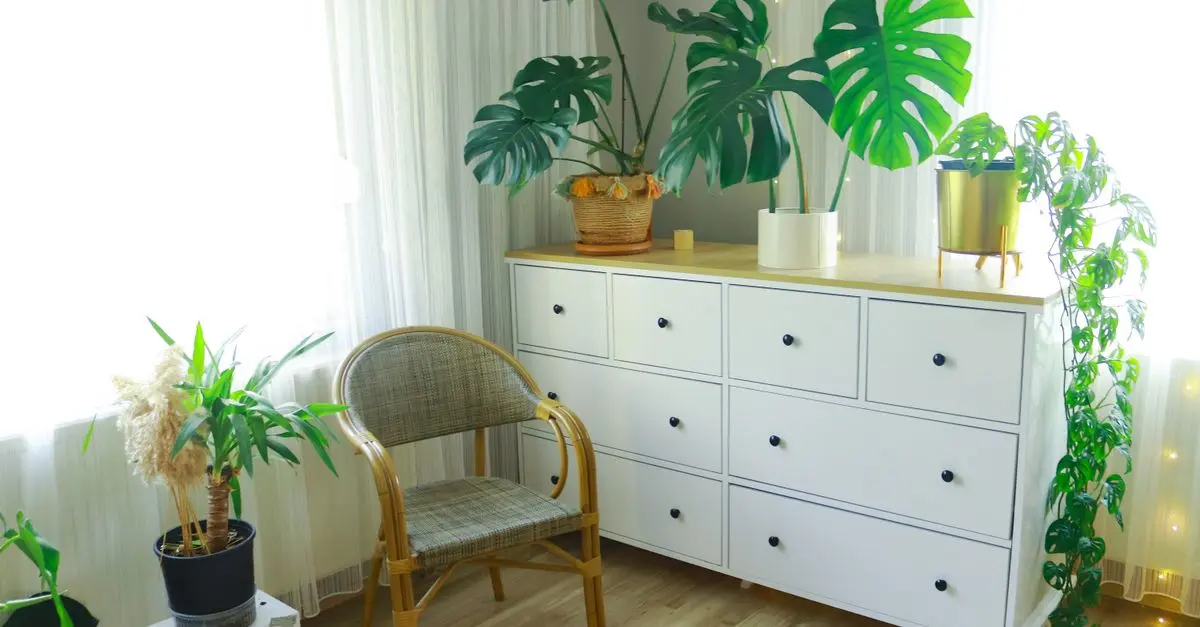
Biophilic design is about reconnecting with nature indoors. Utilizing natural elements such as plants, natural light, and organic materials can create a calming environment. As people begin to recognize the psychological benefits of nature, this trend gains traction. In 2026, a survey indicated that 68% of respondents prefer living spaces that feature greenery, leading to improved well-being (Source: UFC-Que Choisir). Imagine having indoor gardens or using natural light to illuminate rooms. This trend not only enhances your decor but also benefits mental health.
You can easily incorporate this trend by adding indoor plants or using biophilic patterns in your textiles. Consider creating vertical gardens or using materials like wood and stone to bring the outdoors inside. The focus on natural textures and gentle colors enhances the tranquility of your home.
2. Upcycled Furniture
With an increasing emphasis on sustainability, upcycled furniture is another trend making waves in 2026. This practice involves repurposing old or discarded furniture into new, functional pieces. Not only does it reduce waste, but it also adds a unique character to your home.
According to a study by the ADEME, over 50% of consumers are willing to purchase second-hand or upcycled furniture. This trend showcases personal style and creativity while promoting eco-friendliness. Companies are increasingly providing workshops on how to upcycle furniture, making it accessible to everyone.
To incorporate this trend, search thrift stores or garage sales for furniture pieces you can refurbish. Simple updates like sanding, painting, or reupholstering can breathe new life into these items. Not only does this save money, but it helps reduce landfill waste.
3. Sustainable Textiles
The textile industry is infamous for its environmental impact, leading to a growing demand for sustainable textiles. In 2026, the market for organic cotton and recycled fabrics is projected to grow by 25% (Source: Les Numériques). Consumers are becoming more aware of how their choices impact the planet. Sustainable textiles such as organic cotton, linen, hemp, and bamboo are stylish and environmentally friendly.
When selecting textiles for your home, look for certifications like GOTS (Global Organic Textile Standard) to ensure sustainability. You can find beautiful, ethically produced curtains, throw pillows, and rugs that incorporate these materials, adding softness and style to your indoor environment.
4. Minimalism
Minimalism is closely associated with sustainable living. In 2026, it emphasizes quality over quantity, focusing on decluttering and investing in durable products that stand the test of time. A minimalist approach reduces waste and helps maintain a serene environment.
Statistics show that 80% of people feel a sense of overwhelmed clutter in their homes (Source: INSEE). By adopting a minimalist aesthetic, you not only make your space look larger but also more organized and tranquil. This trend encourages mindful consumption and promotes investing in fewer, high-quality pieces.
To embrace minimalism, evaluate your current decor—remove items that no longer serve you or bring joy. Invest in multi-functional furniture to maximize space and minimize clutter.
5. Smart Home Technology
Integrating smart home technology into your decor is not just about convenience; it’s also about sustainability. Energy-efficient appliances and systems can significantly reduce energy consumption. In 2026, homes equipped with smart technology can save homeowners up to 30% on energy costs (Source: UFC-Que Choisir).
Smart thermostats, energy-efficient lighting, and advanced irrigation systems for gardens contribute to eco-friendly practices. You can control these devices remotely, optimize their use, and reduce waste.
Upgrading to smart technology doesn't mean sacrificing style; many modern devices come in sleek designs that fit seamlessly into your decor.
📺 Resource Video
> 📺 For further inspiration: Watch videos about sustainable home decor trends to explore ideas and practical examples. Search on YouTube: "sustainable decor trends 2026".
Comparative Analysis of Sustainable Decor Trends
| Trend | Description | Benefits | Impact on Environment |
|---|---|---|---|
| Biophilic Design | Incorporating plants and natural elements | Improves well-being | Reduces indoor pollution |
| Upcycled Furniture | Using refurbished items | Unique aesthetics | Reduces landfill waste |
| Sustainable Textiles | Organic and recycled fabrics | Softens decor and eco-friendly | Lowers textile industry pollution |
| Minimalism | Reducing clutter and focusing on quality | Promotes tranquility | Less consumption = less waste |
| Smart Home Technology | Energy-efficient devices | Cost-effective | Reduces overall energy consumption |
- What are sustainable decor trends?
Sustainable decor trends focus on eco-friendly practices, such as using renewable materials, reducing waste, and promoting energy efficiency.
- How can I incorporate sustainable decor in my home?
You can incorporate sustainable decor by choosing upcycled furniture, using sustainable textiles, and implementing smart home technology.
- Is minimalism a sustainable trend?
Yes, minimalism promotes quality over quantity, encouraging reduced consumption and waste, making it inherently sustainable.
- Where can I find sustainable textiles?
Look for certified organic fabrics at local retailers or specialty online stores offering eco-friendly options.
Checklist before buying
- [ ] Research products with certifications (organic, recycled)
- [ ] Visit thrift stores for upcycled furniture
- [ ] Consider smart home devices for energy savings
- [ ] Choose plants suitable for your living environment
- [ ] Evaluate your current decor for minimalism
Glossary
| Term | Definition |
|---|---|
| Biophilic Design | A design approach that seeks to connect people to nature. |
| Upcycling | The process of converting waste materials into new products. |
| Sustainable Textiles | Fabrics produced in a way that is environmentally friendly. |
Embracing sustainable decor trends not only enhances your living space but also contributes positively to our planet. Discover our recommended products below that will help you achieve these trends in your home!
📺 Pour aller plus loin : sustainable decor trends 2026 sur YouTube

Recommended products
Selected by our experts
ISO 20400: Principles of Sustainable Procurement
Alison US CA
This product offers insights into sustainable procurement principles, essential for anyone looking to embrace eco-friendly practices in their home.