Table of Contents (15 sections)
What is Biophilic Design?
Biophilic design is an approach in architecture and interior design that seeks to connect people with nature by incorporating natural elements into built environments. This concept stems from the idea that humans have an innate affinity for the natural world, a connection that is fundamental to our emotional and physical well-being. Studies have indicated that introducing biophilic elements—like plants, natural light, and organic materials—into your home can significantly improve mood, stress levels, and overall health. According to research from Harvard University, environments that include natural elements can reduce stress by up to 20%. Thus, biophilic design is not merely an aesthetic choice; it’s a lifestyle that promotes health and wellness.
Step-by-Step Guide to Implement Biophilic Design
Incorporating biophilic design into your home may seem daunting, but it can be broken down into manageable steps. Here’s a practical guide to get started:
Step 1: Assess Your Space
Before you begin integrating biophilic elements, take a close look at your current space. Identify areas that lack natural light, views of the outdoors, or vibrant colors associated with nature. Take notes on how these factors affect your mood and productivity. This assessment will help you prioritize which elements to address first.
Step 2: Introduce Natural Light
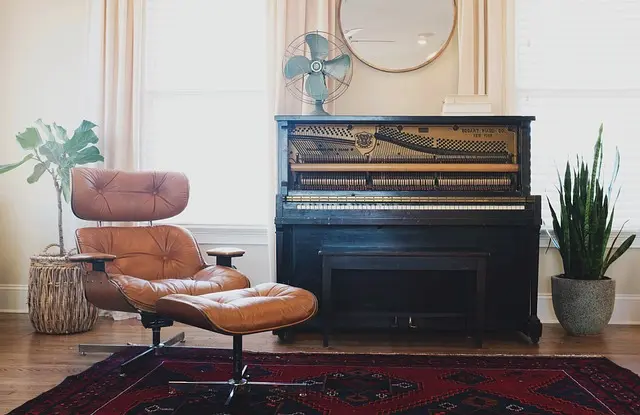
Natural light is crucial for biophilic design. Start by maximizing sunlight in your home. Keep windows clean and drapes light. If possible, consider installing larger windows or skylights. If structural changes are not feasible, strategically place mirrors to reflect light throughout the room. Photovoltaic windows can also assist in controlling light levels while enhancing energy efficiency, hankering down your utility costs!
Step 3: Incorporate Plants
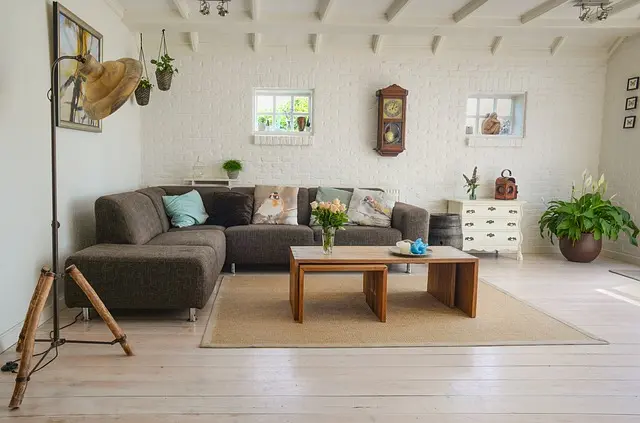
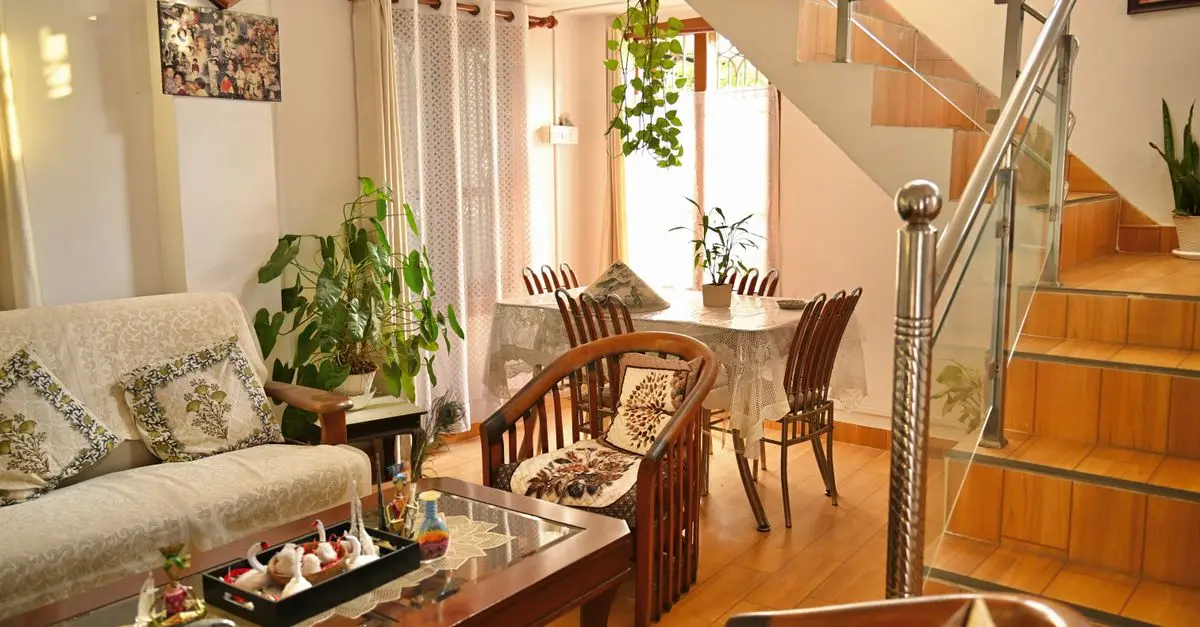
Bringing plants indoors is one of the simplest ways to adopt biophilic design. Consider low-maintenance options, like succulents or snake plants, if you don’t have a green thumb. Larger foliage plants, such as fiddle leaf figs or peace lilies, can act as natural space dividers and add height to your decor. Plants are not only visually appealing; they also improve air quality and boost your mood.
Step 4: Use Natural Materials
Integrate materials that reflect the natural world, such as wood, stone, or bamboo, in your decor. For example, use reclaimed wood for shelving or flooring, or opt for stone accents in your kitchen and bathroom to create a rustic feel. Natural textiles, such as cotton, linen, or wool, can also enhance the organic feel of your space and add warmth and texture.
Step 5: Create Indoor-Outdoor Connections
Establishing a connection between your indoor and outdoor spaces is essential in biophilic design. Consider designing spaces that extend outdoors, like creating a deck, balcony or using sliding glass doors. Create small outdoor spaces with seating and plants where you can relax. If you live in a high-rise, window boxes and balcony gardens can be effective alternatives.
Step 6: Adorn with Nature-Inspired Art
Incorporating art that reflects nature can emphasize the biophilic design you’re creating. Look for paintings, photographs, or sculptures that depict natural scenes. Local artists often showcase the beauty of your surroundings. Using organic forms and colors in your art can also enhance the connection to nature.

Comparative Analysis of Biophilic Elements
| Element | Benefits | Considerations | Popular Options |
|---|---|---|---|
| Natural Light | Reduces stress, improves mood | Glare management | Skylights, large windows |
| Indoor Plants | Improves air quality, boosts productivity | Maintenance needs | Succulents, large foliage |
| Natural Materials | Creates warmth, genuine textures | Cost may vary | Wood, stone, bamboo |
| Indoor-Outdoor Impact | Enhances connection with nature | Possible space limitations | Patios, balconies |
| Nature-Inspired Art | Adds aesthetics, personal connection | Can be subjective | Local artist work |
Trends and Statistics in Biophilic Design
According to a study by the American Society of Interior Designers, homes incorporating biophilic elements see a 15% increase in overall satisfaction. Organizations embracing workplace biophilic practices reported a 30% improvement in employee well-being. Moreover, with more individuals spending time indoors than ever before, the demand for biophilic design principles has skyrocketed. Unique elements such as moss walls and water features are gaining popularity and can be terrific focal points that instill calmness and nature’s beauty in your space.
Frequently Asked Questions
Q: What are the benefits of biophilic design?
A: Biophilic design promotes a direct connection to nature, which can enhance mood, productivity, and overall wellness.
Q: How can I maintain indoor plants?
A: Opt for easy-care plants like succulents or snake plants, and ensure they receive adequate light and water without overwatering.
Q: Can I integrate biophilic design into a small apartment?
A: Yes! You can utilize vertical gardens, small potted plants, and light-colored paint to maximize light and connection to nature.
Q: Is biophilic design suitable for any home style?
A: Absolutely! Biophilic design can be adapted to complement any decor style, whether it be modern, traditional, or eclectic.
Glossary
| Term | Definition |
|---|---|
| Biophilia | The natural affinity humans have for nature. |
| Natural light | Sunlight entering a space, enhancing mood and health. |
| Indoor plants | Plants grown inside homes, improving air and aesthetics. |
Checklist before Incorporating Biophilic Design
- [ ] Assess available light in each room
- [ ] Identify areas for plant growth
- [ ] Choose natural materials for surfaces
- [ ] Plan for indoor-outdoor connections
- [ ] Research and select nature-inspired art pieces
📺 Ressource Vidéo
> 📺 For further exploration: How to Create a Biophilic Interior, a comprehensive guide to implementing biophilic design elements. Search on YouTube: how to incorporate biophilic design.
🧠 Quiz rapide: Which element is crucial for biophilic design?
- A) Artificial lighting
- B) Indoor plants
- C) Dark wood furniture
Réponse : B — Indoor plants enhance the connection to nature and improve indoor air quality.
📺 Pour aller plus loin : how to incorporate biophilic design sur YouTube
Recommended products
Selected by our experts
The Emergence of Biophilic Design
Legimi PL
Consider incorporating tactile materials in your home to complement your biophilic design efforts.