Table of Contents (12 sections)
Creating a harmonious home environment that showcases your personality can sometimes feel overwhelming, especially when you're drawn to multiple decor styles. With the right strategies, mixing home decor styles can lead to a uniquely personal and cohesive design. This article will guide you through effective methods for blending different styles, ensuring a balanced and aesthetically pleasing outcome.
1. Understand the Basics of Decor Styles
Before diving into mixing styles, it’s essential to understand the fundamental decor styles. Categories such as modern, vintage, bohemian, and minimalist often showcase specific colors, materials, and shapes. Each style has its unique characteristics:
- Modern: Clean lines, minimal accessories, and a neutral color palette.
- Vintage: Characterized by earthy tones and antique pieces.
- Bohemian: A mix of colors, patterns, textures, with cultural artifacts.
- Minimalist: Focus on simplicity, functional furniture, and open spaces.
Knowing these basics helps you define your preferences. Moreover, it allows you to pinpoint which elements resonate with you across different styles. By understanding their foundational aspects, you can embrace the best qualities from each category, creating an eclectic yet cohesive look.
2. Define a Common Color Palette
One of the easiest ways to unify disparate styles is through a common color palette. Choose three to five colors to use throughout your space. For example:
- Neutral: Whites, grays, and beiges allow contrasting styles to blend more naturally.
- Accent: Two or three bold colors can sprout from this neutral base to add depth and interest.
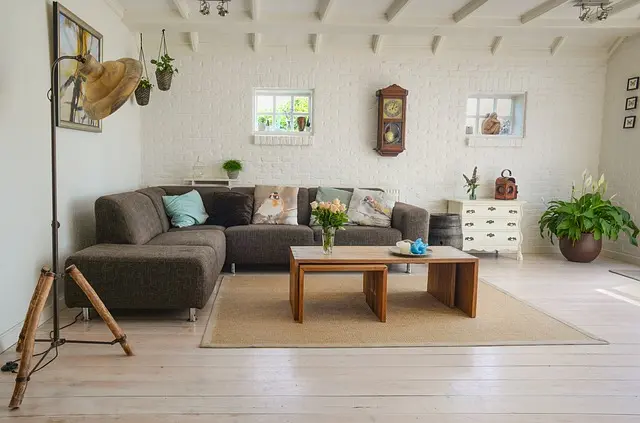
When mixing styles, it's crucial to ensure that the colors do not clash. Consider using shades that complement each other. For instance, if you have a modern sectional couch in a subdued tone, you can introduce a vintage floral rug to bring in texture without overwhelming the space. Keep in mind that a well-thought-out color scheme can smoothly integrate the different decor elements, making them look like they belong together.
3. Layer Textures and Materials
Mixing textures and materials creates depth and visual interest in your home. Combine soft textures, like velvet cushions, with harder materials, such as metal or glass. For example:
- A bohemian woven basket can hold decor magazines while contrasting beautifully with a modern glass coffee table.
- Rattan chairs can complement an elegant wooden dining table.
It’s important to balance these textures. Too many rough or hard surfaces can create a harsh atmosphere, while too many soft elements could lead to a cluttered feel. Strive for a balanced sensory experience—this includes visual texture, but also how things feel when you touch them. Remember to play with various fabrics and finishes to truly bring your decor to life.
4. Utilize Statement Pieces for Focal Points
A statement piece can help ground a room and serve as the focal point, making it easier to mix styles. By having a distinctive item—like an extraordinary art piece, a vintage chandelier, or a bold couch—you create a reference point that informs the rest of your decor choices. This can work effectively in various scenarios:
- A large, colorful painting can invite eclectic accents around it.
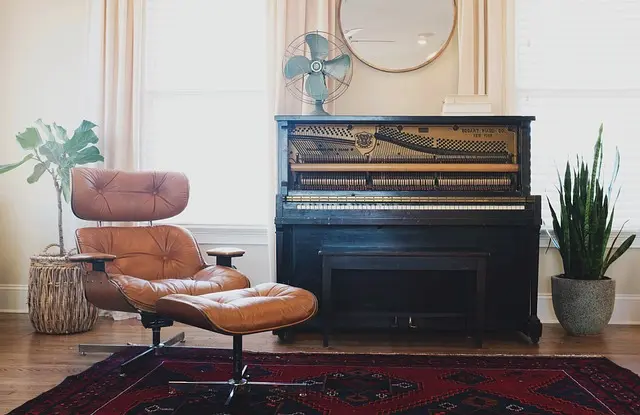
- A vintage armchair might inspire a more modern, neutral color scheme elsewhere.
Expert Tip: Ensure that your statement piece reflects your personal taste while being accommodating to the other styles you want to incorporate. It should neither dominate the room nor blend into the background, striking a perfect balance instead.
5. Create Zones Within Open Spaces
If you’re dealing with open-plan living areas, defining spaces through decor is essential. You can create zones that reflect different styles within the same area:
- A modern dining table can be accompanied by industrial-style pendant lights, creating a dining zone.
- A cozy reading nook can showcase vintage bookshelves with a rustic touch, setting it apart from the sleek lines of the dining area.
This zoning approach allows you to maintain distinct style areas without the spaces feeling disjointed. By using area rugs, lighting, and furniture arrangements, you can visually distribute your mixed styles effectively. Always ensure transitions between these zones feel seamless, as a jarring difference in style can disrupt the flow of the space.
6. Collect and Display Personal Artifacts
Personal items and artifacts provide a great extension of your personality and act as conversation starters. They can be anything from travel souvenirs to family heirlooms. Consider:
- Displaying a museum-quality vase alongside a quirky mid-century modern lamp.
- Incorporating decorative trinkets from various cultures within a minimalist shelving unit.
These elements can help bridge the gap between different decor styles, allowing for a personalized touch. It's essential to display these artifacts with intention and consider how they'll relate to the overall color palette and textures in the room. Avoid overcrowding, as this can detract from the uniqueness of each piece.
7. Keep Functionality in Mind
When mixing home decor styles, always prioritize functionality. A well-decorated space needs to work for its intended use, as form should follow function, even in a stylish environment. For example:
- An elegant couch should be comfortable enough for lounging or hosting.
- A modern coffee table should provide sufficient space for both decorative and practical items.
Pitfall to Avoid: Don't sacrifice usability for style. Ensure your decor choices cater to the actual needs of your living space. Consider how people will interact with your design and choose pieces that enhance that experience.
📺 Resource Video
> 📺 For further exploration: How to Blend Different Home Decor Styles, a comprehensive guide exploring aesthetics and practical tips. Search YouTube for: mixing home decor styles 2026.
Checklist before Mixing Decor Styles
- [ ] Identify your favorite decor styles.
- [ ] Define a common color palette for the space.
- [ ] Choose statement pieces that reflect your personality.
- [ ] Layer textures and materials to create depth.
- [ ] Create defined areas within your space to blend styles.
- [ ] Incorporate personal artifacts thoughtfully.
- [ ] Ensure that functionality meets aesthetic appeal.
Glossary
| Term | Definition |
|---|---|
| Eclectic | A design style that draws inspiration from multiple sources, blending together different elements from various decors. |
| Focal Point | The main visual element in a room that draws attention, often used to anchor a design. |
| Color Palette | A set of colors that are chosen to work together in a design, creating harmony and cohesion. |
---
📺 Pour aller plus loin : mixing home decor styles 2026 sur YouTube