Table of Contents (20 sections)
Creating a well-decorated space is all about layering textures in home decor. This technique not only adds visual interest but also establishes a unique atmosphere within your home. Textures play a crucial role in defining comfort and style. In this guide, we’ll explore the art of layering textures step-by-step, allowing you to transform any room into a cozy haven.
1. Understanding the Importance of Textures
What Are Textures in Decor?
Textures are the surfaces of objects in your home, and they evoke the tactile qualities of different materials. Think of the soft plush of a velvet sofa, the roughness of a wooden tabletop, or the sleek touch of glass. When layered effectively, textures can create depth and richness, making your space more inviting.
Why Layer Textures?
Layering textures serves multiple purposes: it engages the senses and invites interaction, fosters comfort, and can define specific areas of your home. According to a recent survey by Interior Design Magazine, 78% of respondents indicated that texture has a significant impact on their overall satisfaction with a space. Mixing various textures—like combining soft fabrics with hard surfaces—can enhance the balance and aesthetics of a room, making it more dynamic.
2. Step-by-Step Guide to Layering Textures
Step 1: Start with a Base Layer
Begin with a neutral base layer like a painted wall or a simple flooring material such as hardwood or tile. These choices should complement the room's overall color scheme. If your walls are textured, such as with a stucco finish, this can also add an initial layer of interest. Important here is to choose materials that provide a solid foundation without overwhelming the space. This neutral layer allows for flexibility when adding additional textures.
Step 2: Add Textile Layers
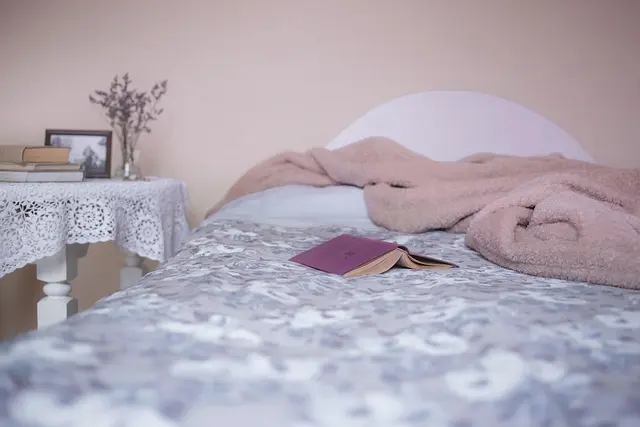
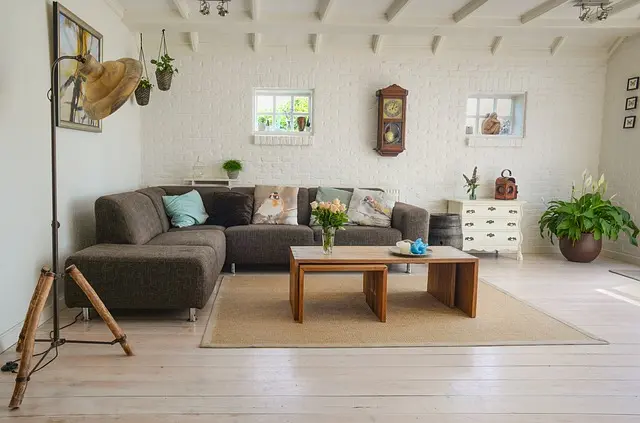
Incorporate textiles such as rugs, curtains, and cushions. Start with a large area rug to anchor the room. Choose materials that vary in softness or thickness. If you opt for a thick wool rug, consider complementing it with lightweight cotton throw pillows. Layering these textiles will add warmth and comfort—crucial elements for inviting spaces. Remember to play with color and pattern to keep the space visually stimulating.
Step 3: Incorporate Hard Surfaces
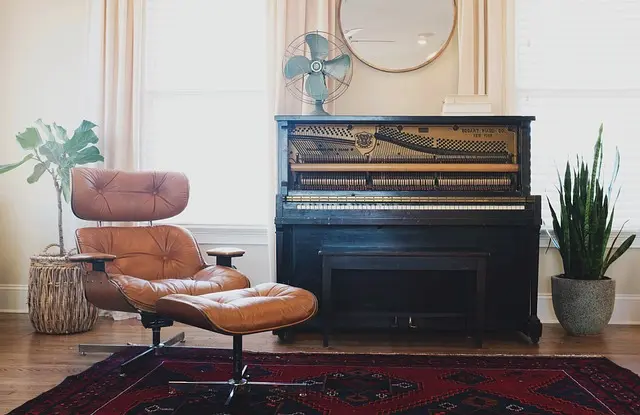
Add elements with hard surfaces to contrast with the soft textiles. Wooden furniture, metal accents, or glass accessories can break the monotony of soft textures. For example, a sleek glass coffee table over a plush shag rug can create a striking visual juxtaposition. It's important to consider the styles of these elements and ensure they complement rather than clash with the existing decor.
Step 4: Introduce Decorative Accents
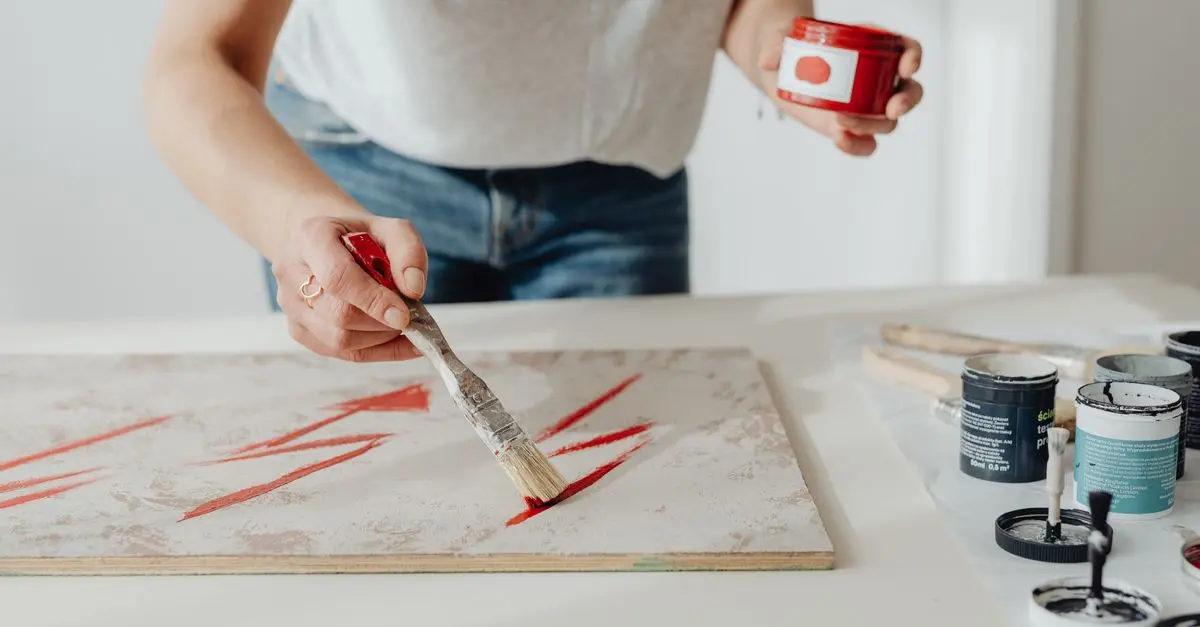
This step is where your personality shines through! Use decorative elements such as artwork, vases, or other adornments that resonate with your chosen color palette. They don’t just add beauty; they also introduce various textures. A ceramic vase on a glass tabletop can create an intriguing mix that adds sophistication. Make sure to keep the arrangement balanced yet asymmetrical to avoid looking overly structured.
Step 5: Experiment with Natural Elements
Incorporating natural elements like plants can introduce organic textures that bring life to your decor. Different types of greenery, from succulents to large leaf plants, can enhance the tactile experience. According to NASA's Clean Air Study, houseplants can improve indoor air quality, making your space healthier. A mixture of smooth leaves and rough pots can contribute to the overall texture layering.
Step 6: Final Touches and Adjustments
Finally, take a step back and assess the room. Adjust any elements that feel out of place or unbalanced. Creating texture is all about feeling—if something feels off, don’t hesitate to switch it out. You may find that adding just one more decorative item, like a textured throw blanket, can make all the difference.

Perfume Layering Discovery – Coffret ensemble de découverte des parfums
Sephora FR

Tissu coton effet froissé imprimé carreaux textures beige foncé - Mondial Tissus
Mondial Tissus FR

Tissu coton effet froissé imprimé carreaux textures corail - Mondial Tissus
Mondial Tissus FR
3. Common Mistakes to Avoid
Mistake 1: Overdoing It
While layering textures is essential, overwhelming a space with too many competing textures can lead to chaos. Stick to a cohesive theme and select textures that complement each other. A good rule is to choose a primary texture and two or three secondary textures.
Mistake 2: Ignoring Scale
It's essential to consider the scale when layering textures. Large textures should be balanced with smaller ones to avoid a disjointed look. For example, if you have a large piece of furniture, a small accent piece may get lost. Keep scale in mind as you arrange your textures.
4. Checklist for Successful Texture Layering
- [ ] Choose a neutral base layer.
- [ ] Mix textile materials and patterns.
- [ ] Include hard surfaces for contrast.
- [ ] Add decorative accents that resonate with your style.
- [ ] Incorporate natural elements like plants.
- [ ] Assess balance and adjust as necessary.
5. Conclusion: Make It Yours
Layering textures in home decor is a fulfilling and exciting process that can enhance your living space dramatically. By following these steps and avoiding common pitfalls, you can craft a warm, inviting environment that reflects your personal style. Embrace the opportunity to experiment and find the combination that suits you best!
💡 Expert Tip: Always remember to consider lighting in your space as it impacts how textures are perceived. Soft lighting can enhance the warmth of fabrics, while bright lighting can bring out the character in hard surfaces.
Glossary
| Term | Definition |
|---|---|
| Texture | The tactile quality of a surface, influencing a room's visual and emotional appeal. |
| Layering | The technique of combining various materials and finishes to create depth and interest in decor. |
| Tactile Quality | The feeling associated with touching a surface, which affects perception and experience in a space. |


📺 Resource Vidéo
> 📺 For further exploration: Check out how to effectively layer textures in home decor, an in-depth visual guide. Search YouTube for: "layering textures in home decor 2026".
🧠 Quiz rapide :**
> What texture types can create the best visual interest when layered?
> - A) Soft fabrics only
> - B) Hard and soft combinations
> - C) Neutral colors only
> Réponse : B — Mixing hard and soft textures creates dynamic contrast.
Recommended Products
- Recommended Products Context: We have selected several products suited to complement your texture layering journey. Explore these options to enrich your decor experience.
📺 Pour aller plus loin : layering textures in home decor 2026 sur YouTube
Recommended products
Selected by our experts

Tissu coton effet froissé imprimé carreaux textures lilas - Mondial Tissus
Mondial Tissus FR

Tissu coton effet froissé imprimé carreaux textures noir - Mondial Tissus
Mondial Tissus FR