Table of Contents (15 sections)
Color is a powerful tool in home decor, significantly influencing mood and atmosphere. Understanding color psychology—the study of how colors affect emotions and behaviors—can transform your living space into a sanctuary that resonates with your personal style and emotional needs.
Whether you're aiming to create a calming retreat or an energizing environment, the right color choices can help accomplish your goals. This guide explores the principles of color psychology, practical applications, and tips for effectively incorporating colors into your home decor.
What is Color Psychology?
Color psychology is the study of how colors impact human emotions and behaviors. According to experts in the field, colors can evoke specific feelings and associations, allowing them to be a potent tool when creating a desired atmosphere in a room.
For instance,
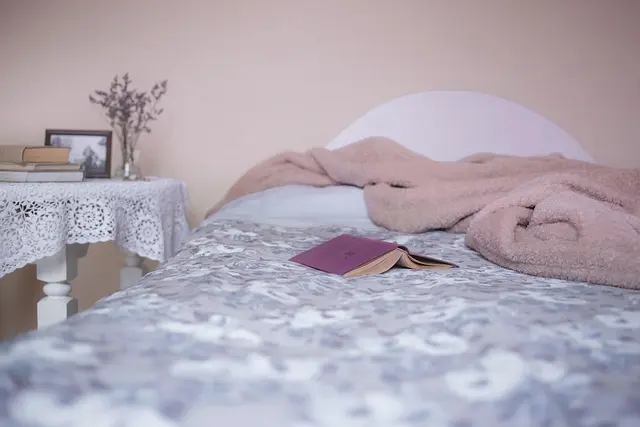
- Blue is often associated with calmness and tranquility, making it a perfect choice for bedrooms or meditation spaces.
- Yellow, on the other hand, is linked to happiness and energy, ideal for kitchens and playrooms.
Research shows that color can also affect productivity. A study conducted by the University of British Columbia found that employees working in blue offices were 20% more productive than those in red-painted environments. Thus, understanding color psychology can lead to more thoughtful design choices that enhance overall well-being and productivity.
How to Choose Colors for Each Room
When selecting colors for your home, consider the purpose of each room and the emotions you want to evoke. Here’s a step-by-step guide to help you choose:
- Determine the Function of the Room: Identify the primary activities that will take place in the room—relaxing, working, socializing, etc.
- Choose a Color Palette: Based on the function, select colors that align with the desired mood. For example, soft neutrals or pastels for peaceful spaces and vibrant colors for lively areas.
- Test Samples: Before committing, test color samples on the walls. Observe how they look at different times of the day and under various lighting conditions.
- Incorporate Accents: Use furniture, artwork, and accessories to introduce additional colors that complement the main hue. Layering colors can add depth and interest to your decor.
By following these steps, you can create a cohesive and inviting atmosphere tailored to your lifestyle.


Color Comparisons: How Different Shades Affect Mood
Comparison Table of Color Meanings
| Color | Emotion | Best Rooms | Examples of Use |
|---|---|---|---|
| Blue | Calmness, Trust | Bedroom, Office | Accent walls, soft furnishings |
| Yellow | Happiness | Kitchen, Playroom | Accents in decor, wall art |
| Green | Balance, Refresh | Living Room | Green plants, decor accents |
| Red | Energy, Passion | Dining Room | Statement pieces, wall paint |
| Purple | Luxury, Creativity | Bedroom, Study | Fabrics, painted furniture |
As shown in the table, each color elicits a unique emotional response, making it crucial to select shades that align with your desired atmosphere.
The Psychology Behind Color Choices
Color choices are not arbitrary; cultural and personal experiences play a significant role in how individuals perceive colors. For instance:
- In many Western cultures, white is associated with purity and cleanliness, while in some Eastern cultures, it symbolizes mourning.
- Certain colors can be tied to seasons—think warm oranges and browns in fall versus cool blues and greens in spring.
Understanding these cultural nuances can enrich your decorating choices and make your home feel more personalized.
It's also worth noting how color can impact the perception of space. Lighter hues can make a room appear larger and more open, whereas darker tones can create an intimate atmosphere.
Expert Insights on Color Selection
> 💡 Expert Opinion: A renowned interior designer suggests that the key to successful color integration is balance. "Use a dominant color, but don’t be afraid to add contrasting or complementary colors for visual interest. Also, consider creating a theme or mood for your decor, as this can guide your color choices effectively."(Davis, J. 2025, Interior Design Today)
What are the most calming colors for a bedroom?
Colors like blue, green, and soft neutrals are considered calming and promote relaxation, making them ideal for bedrooms.
How does lighting affect color perception?
Lighting can significantly alter how colors appear. Natural light enhances hues, while fluorescent lights can wash out colors, creating different atmospheres.
Can color impact productivity?
Yes, research indicates certain colors can influence productivity, with blue promoting focus and productivity while red may evoke distractions.
What colors should I avoid in a small space?
Dark colors can make small spaces feel even smaller; opting for light, airy shades can create a more spacious feel.
Glossary
| Term | Definition |
|---|---|
| Color Psychology | The study of how colors impact emotions and behaviors. |
| Color Palette | A selected range of colors used to create design coherence. |
| Accent Color | A contrasting color used to highlight elements in a room. |
Checklist Before Decorating
- [ ] Define the purpose of the room
- [ ] Choose a main color
- [ ] Test color samples on walls
- [ ] Consider the impact of lighting
- [ ] Select complementary or accent colors
📺 Resource Video
> 📺 For more insights: Exploring Color Psychology in Home Decor, a detailed analysis on how colors influence our living spaces. Search on YouTube: color psychology home decor 2026.
We hope this guide empowers you to make informed color choices that elevate your home decor. Each color carries a message; understanding its implications allows you to craft a harmonious atmosphere that resonates with your lifestyle and preferences. Explore our recommended products below to assist you in transforming your living space!
📺 Pour aller plus loin : color psychology home decor 2026 sur YouTube
Recommended products
Selected by our experts
African American Psychology
Fnac FR
This book offers insights into positive psychology that can influence your decor choices and emotional well-being.
Correcteur de teint coloré - Vert - Boho
Blissim FR
Color correcting makeup can enhance your look, complementing the chosen color scheme in your home decor.
Après-shampooing professionnel post-coloration huile d’Argan - Korres
Blissim FR
After coloring your hair, maintaining the vibrancy can refresh your overall color palette, adding to your decor inspiration.