Table of Contents (11 sections)
Creating depth and interest in your home decor can transform an ordinary space into a remarkable one, and one of the best ways to achieve this is through the use of textures in home decor. Textures add dimension and warmth to any area, allowing you to personalize your living space effectively. In this tutorial, we’ll explore practical steps to incorporate various textures into your home decor.
1. Understanding Textures in Home Decor
Before embarking on your journey to texture inclusion, it’s essential to understand what texture really means in the context of home decor. Texture refers to the surface quality of materials—how they feel and look. It can be visual, implying warmth or coziness, or tactile, meaning the actual sensation when touched. Incorporating multiple textures can create a harmonious look by combining rough, smooth, soft, and hard materials. According to a survey conducted by Homes & Gardens, 78% of decorators agree that texture is vital in creating a homey feel.
Different types of textures include:
- Tactile Textures: Referring to the physical feel, such as soft fabrics like velvet or plush carpets.
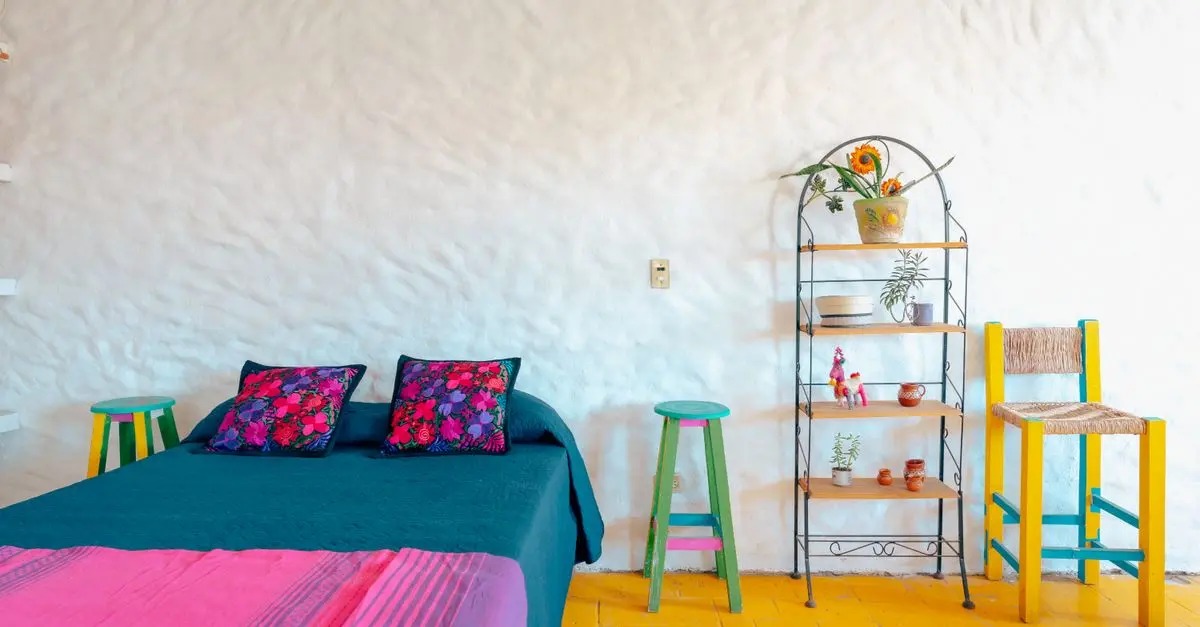
- Visual Textures: These include patterns and colors that give an illusion of texture, like a graphic print on a canvas painting.
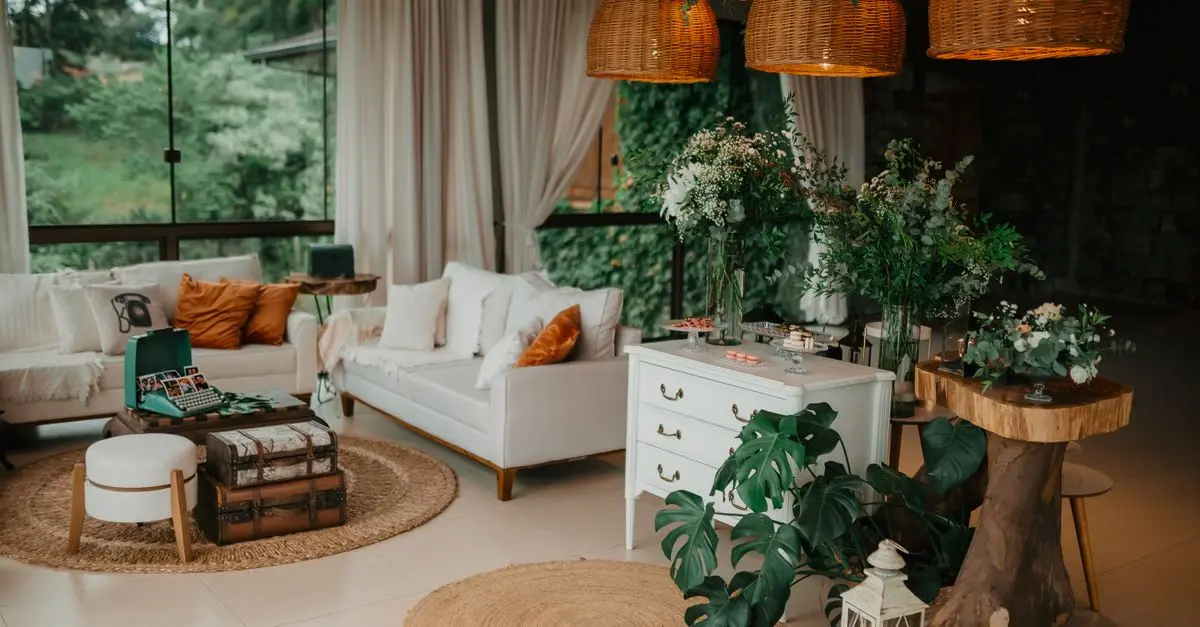
- Natural Textures: Incorporating elements such as wood, stone, and plants can bring a refreshing look to your interior spaces, inviting nature indoors.
By understanding and utilizing these distinctions, you can set the foundation for effectively integrating textures in your home decor.
2. Start with a Base Layer
The first step in mastering home decor textures is establishing a base layer. This could be your walls, flooring, or large furniture like sofas or beds. For instance, consider a neutral painted wall or a wooden floor as your foundation. These foundational elements should be simplistic in texture to avoid overwhelming the senses. Once you have a solid base, it’s time to layer additional textures for visual interest.
When selecting base materials, consider:
- Painted Walls: Choose matte finishes that absorb light and give a softer feel compared to gloss finishes, which can reflect light and create discomfort.
- Flooring: Natural wood, laminate, or low-pile carpet works well, setting a stage for further texture layering.
- Large Furniture: A fabric sofa in a neutral tone provides a versatile base to build upon with cushions and throws of varying textures.
3. Layering Soft Textures
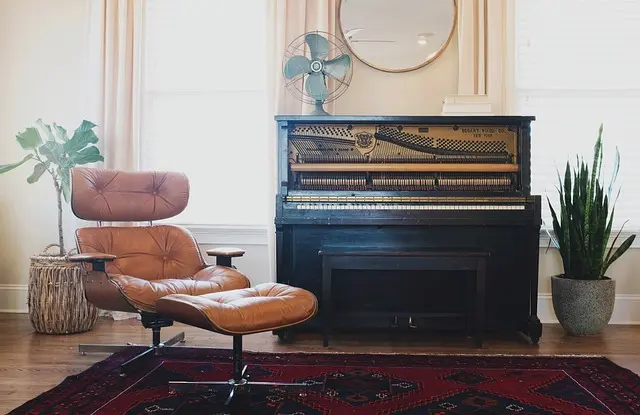
After establishing the foundation, layering soft textures can enhance comfort and coziness. Fabrics bring warmth into a room and are straightforward to integrate. Think about adding cushions, throws, and a soft area rug on your wooden or tile floor.
- Cushions: Mix fabrics like leather, linen, and wool. Use diverse sizes and shapes, combining firm and plush varieties to create a playful dynamic.
- Throws: A chunky knit blanket or fur throw can add a touch of luxury.
- Area Rugs: They can soften hard surfaces, minimizing sound and adding warmth. Choose rugs with various pile heights or unique patterns.
According to a University of Minnesota study, rooms that include a variety of soft textures tend to have higher rates of comfort and relaxation reported by users.
4. Mixing Hard Textures
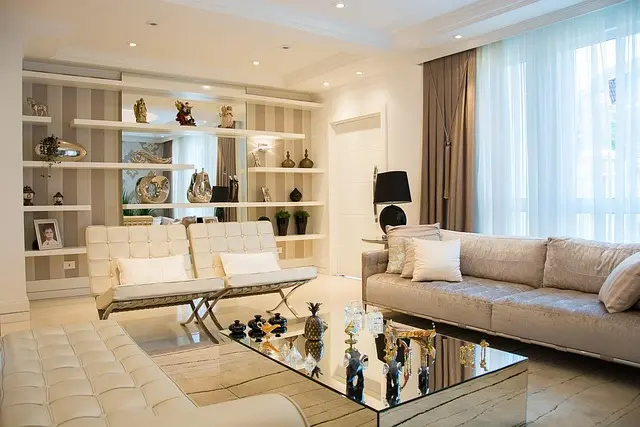
In addition to soft textures, incorporating hard textures can create balance and contrast in your decor. Materials such as metal, glass, and stone can add a sleek, modern touch. For example, the contrast between a soft, plush sofa and a glass coffee table can create an inviting focal point. Consider these tips:
- Metals: Introduce metallic accents through lamps or decorative objects.
- Glass Elements: A glass vase can reflect light and intrigue the eye.
- Natural Stones: A stone feature wall or a handmade ceramic can ground your design, offering both beauty and permanence.
5. Bringing It All Together
The final step is synthesizing your selected textures to create a cohesive design. Aim for a texture palette that speaks to you and flows visually. When in doubt, use the 70-20-10 rule:
- 70% of your dominant texture (walls, sofas)
- 20% of a secondary texture (cushions, curtains)
- 10% of an accent texture (art pieces, decorative accessories)
Ensure your textures work in harmony, keeping color palettes in mind. Neutral palettes allow textures to shine, while bold colors can clash if not balanced correctly. Always remember that creating visual interest does not mean overcrowding your space — less can often be more.
Checklist before Decor Enhancement
- [ ] Identify your base layer (walls, flooring).
- [ ] Choose a variety of soft textures for layering.
- [ ] Incorporate hard textures for contrast.
- [ ] Ensure a cohesive overall look.
- [ ] Add decorative accents for personality.
📺 For further exploration:
Discover unique ways to use textures in home decorating by visiting YouTube for enriching insights!
| Element | Soft Textures | Hard Textures | Visual Impact |
|---|---|---|---|
| Base | Wool, Velvet | Wood, Glass | Comforting Feel |
| Function | Cushions, Rugs | Tables, Statues | Elegant Contrast |
| Usage | Living Room | Dining Area | Active Interaction |
| Example | Chunky Knit | Marble Tops | Modern Appeal |
| Term | Definition |
|---|---|
| Textures | Surface quality of materials in decor. |
| Layering | Adding multiple textures for depth. |
| Palette | A range of colors or textures used together. |
By following these detailed steps, you will successfully incorporate textures in home decor, creating a space that not only looks visually appealing but also feels inviting and comfortable.
Recommended Products
- - - ---
📺 Pour aller plus loin : how to use textures in home decor 2026 sur YouTube
À lire aussi
Recommended products
Selected by our experts
Stupell Home Decor Country Sunflower Field Canvas Wall Art, Multi - Multi - Size: 36X48
kohls.com
Decor 140 Easton Indoor Outdoor Modern Area Rug, Light Blue - Light Blue - Size: 6.5Ft Rnd
kohls.com
Lush Decor Ella Ruffle Lace Comforter Set, Light Gray - Light Gray - Size: Full/Queen
kohls.com
Inspired Living USB COB LED Strip Light 5V High Density Flexible Tape For Ambient Decor Lighting 2 Pin pink 1m
inspireuplift.com