Table of Contents (11 sections)
What Are Home Decor Trends?
Home decor trends refer to the patterns and styles that influence how home interiors are designed and furnished. These trends can shift yearly or span several years, impacting colors, materials, furniture styles, and layouts. Trends arise from various influences, including technological advancements, social movements, and environmental considerations. For instance, the rising awareness of environmental issues has driven the demand for sustainability in interior design. Homeowners are not just looking for aesthetics but also functionality and responsibility in their choices. Trends often reflect the current societal ethos, showcasing collective values that resonate with consumers. Understanding these trends helps homeowners curate spaces that are not only stylish but also align with their personal and social values.
Trend 1: Sustainable Materials
In 2026, the use of sustainable materials continues to dominate the home decor scene. Eco-friendly options like bamboo, recycled glass, and organic textiles are now mainstream, reflecting a growing desire for environmental consciousness among consumers. According to a report by Grand View Research, the sustainable furniture market is expected to reach $90 billion by 2027, growing at a CAGR of 10.5% from 2022. This shift is driven by consumers’ awareness of the impact of their choices on the planet. Brands are innovating with sustainable practices, offering products made from reclaimed wood and biodegradable materials. Homeowners are also favoring local artisans and handmade furniture, enhancing their spaces while supporting the local economy. This trend is not just about eco-friendliness; it's also about durability and timelessness, as these materials tend to have a longer life cycle.
Trend 2: Biophilic Design
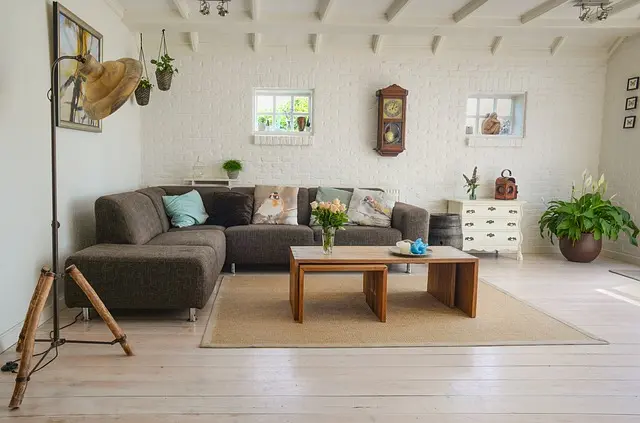
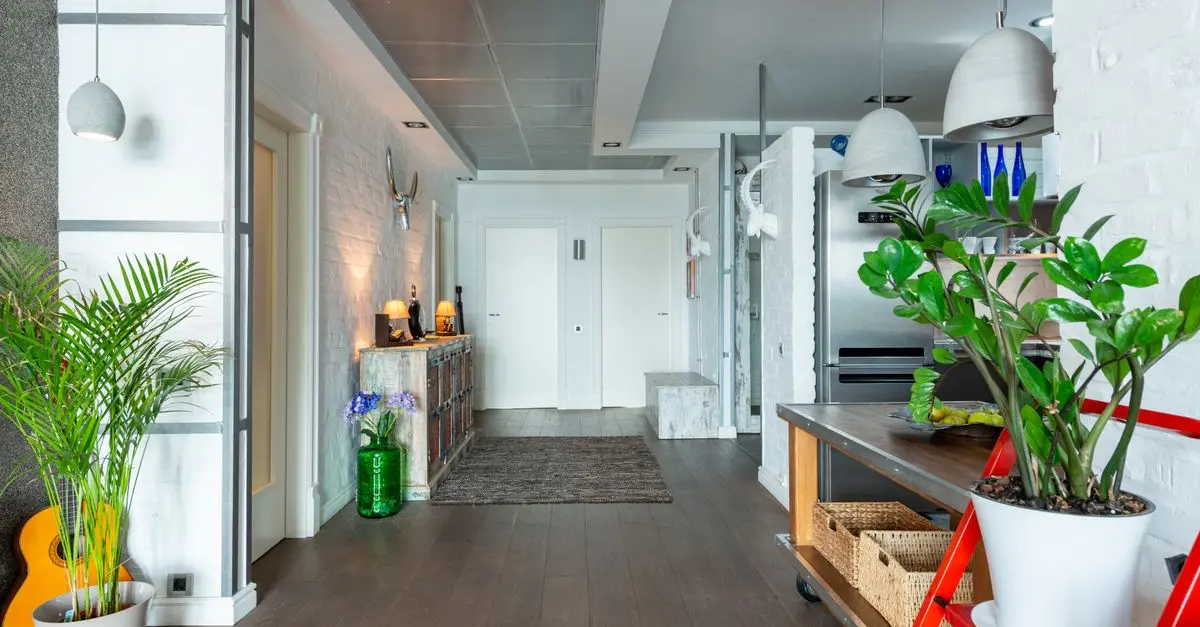
Biophilic design has seen a significant rise in popularity in 2026, emphasizing connections with nature within the home. This approach incorporates natural elements into residential spaces, enhancing well-being and reducing stress. Features such as large windows for natural lighting, indoor plants, and water features are essential components in creating biophilic spaces. Studies suggest that incorporating these natural elements can improve mental health and productivity by up to 15%. Homeowners are increasingly looking for ways to bring the outdoors in, and brands are responding with products designed to facilitate this connection. For example, vertical gardens and large indoor planters are gaining traction, allowing for greenery even in small spaces. This trend highlights the emphasis on creating serene environments that promote relaxation and health.
Trend 3: Vintage Revival
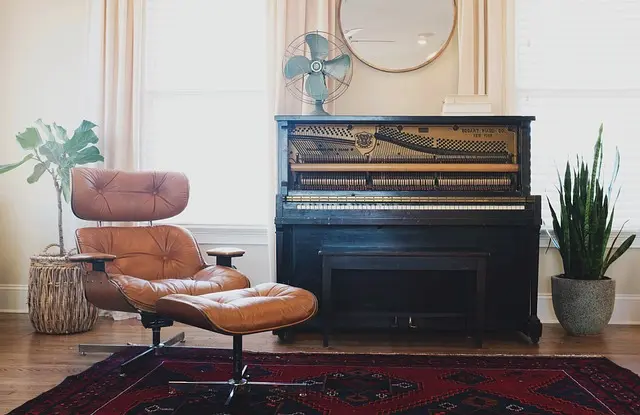
Looking back while moving forward is a hallmark of current home decor trends. The vintage revival trend showcases a blend of nostalgia and modern sensibility, with homeowners incorporating mid-century modern and retro-inspired decor into their spaces. This trend is characterized by bold colors, unique patterns, and functional designs. According to IbisWorld, the vintage home decor market has seen a growth of nearly 20% over the past five years as consumers turn to thrift stores and auctions for one-of-a-kind pieces. Vintage items not only add character to rooms but also support sustainability, as they reduce the demand for new resources. Collections of retro kitchenware or art deco furniture pieces can serve as conversation starters and reflect the owner's personality. Embracing vintage styles allows individuals to craft authentic spaces that aren't just about fashion but carry storied legacies.
Trend 4: Color Psychology
Color psychology in home decor is increasingly important, guiding homeowners in making choices that enhance the mood and ambiance of their spaces. In 2026, the trend is moving towards bold, saturated colors that evoke emotion and energy. Shades like deep blues, rich greens, and vibrant yellows are being favored, as they can transform a dull room into a lively environment. According to Pantone, colors have the power to affect health and wellness, influencing how inhabitants interact within a space. For example, blue tones are known to promote calm, making them ideal for bedrooms or relaxation areas. Homeowners are mixing hues to create dynamic spaces that reflect their identities and emotional states. Paint companies are releasing collections focusing on these energetic shades, encouraging a new wave of color enthusiasts to experiment with their interiors.
Trend 5: Multifunctional Spaces
As living spaces continue to shrink, especially in urban areas, the trend of multifunctional spaces is gaining traction in 2026. Home decorators are focusing on designs that allow for flexibility and adaptability. Furniture pieces that serve multiple purposes, such as a sofa bed or a coffee table that doubles as a desk, are becoming essential. The National Association of Home Builders reported that around 60% of new homes are being built with adaptable living spaces to cater to changing lifestyles. This trend not only maximizes space but also promotes a minimalist lifestyle where homeowners can efficiently use their limited square footage. Implementing multifunctional solutions helps to maintain an organized and spacious appearance in residences, ensuring comfort without sacrificing style.
📺 Resource Video
> 📺 For further exploration: Check out this video on the latest home decor trends for 2026, featuring insights into sustainable design choices. Search on YouTube: 2026 home decor trends.
Checklist before Redecorating
- [ ] Research current home decor trends.
- [ ] Identify sustainable material options for furniture.
- [ ] Incorporate biophilic design elements.
- [ ] Choose a color palette based on color psychology.
- [ ] Explore multifunctional furniture solutions.
Glossary
| Term | Definition |
|---|---|
| Biophilic Design | A design approach that seeks to connect building occupants more closely to nature. |
| Sustainable Materials | Materials that are sourced responsibly and designed to have minimal environmental impact. |
| Vintage Revival | A trend emphasizing retro aesthetics and nostalgic decor pieces from past eras. |
Quick Quiz
> 🧠 Quick Quiz: Which trend focuses on connecting interiors with nature?
> - A) Vintage Revival
> - B) Biophilic Design
> - C) Color Psychology
> Answer: B — Biophilic Design promotes the incorporation of natural elements into living spaces.