Table of Contents (12 sections)
Layering textures is a vital aspect of home decor that adds depth, warmth, and interest to any space. In 2026, interior design trends emphasize the importance of creating a harmonious and inviting atmosphere through the thoughtful combination of different materials, colors, and patterns. This guide will walk you through effective methods to master the art of layering textures, transforming your home into a sophisticated haven.
Understanding Textures in Home Decor
Before diving into practical applications, it’s essential to understand what textures are and how they influence design. Textures refer to the surface quality of objects and can be categorized into two main types: visual textures, which you see but don’t feel, and tactile textures, which you both see and can physically experience. Common materials that introduce these textures into your home include wood, fabric, metal, and stone.
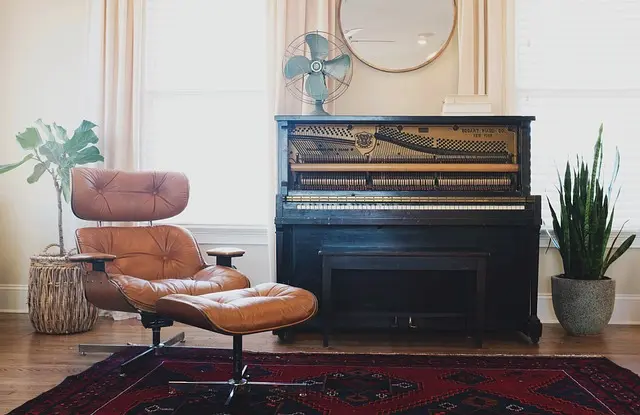
Incorporating a variety of textures can enhance visual interest and break up monotony. For instance, a sleek leather sofa paired with a soft wool throw creates a comfortable and cozy feel. According to interior design experts, mixing textures not only adds aesthetic appeal but also evokes emotional responses, making your space more inviting. Statistics indicate that well-designed spaces can increase well-being and productivity. Thus, mastering texture layering is not just about aesthetics; it’s also a step towards a healthier living environment.
Step 1: Start with a Neutral Base
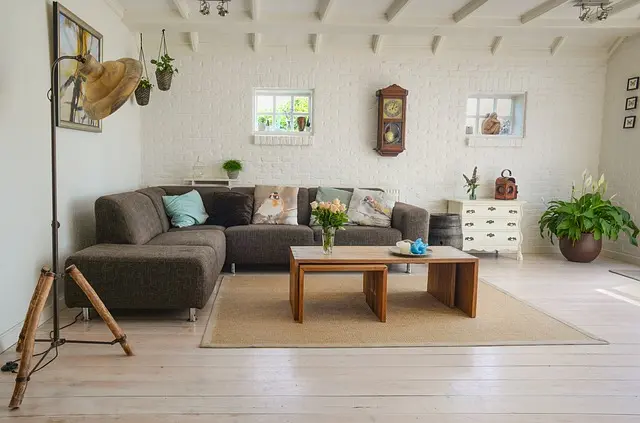
To effectively layer textures, begin with a neutral base. This could be a colored wall, a carpet, or furniture. Picking a neutral color palette allows you to introduce various textures without overwhelming the space. Classic colors such as whites, greys, and beiges serve as a canvas for layering. For example, consider painting walls in a soft grey while opting for a jute rug on the floor. This neutral base provides a backdrop that accentuates the richer textures you’ll be adding later.
Tip: Avoid bold patterns or colors in the initial layers as they may clash with the later additions. Use samples to test how different materials and colors interact in natural light before committing to a full design.
Step 2: Mix Different Textiles
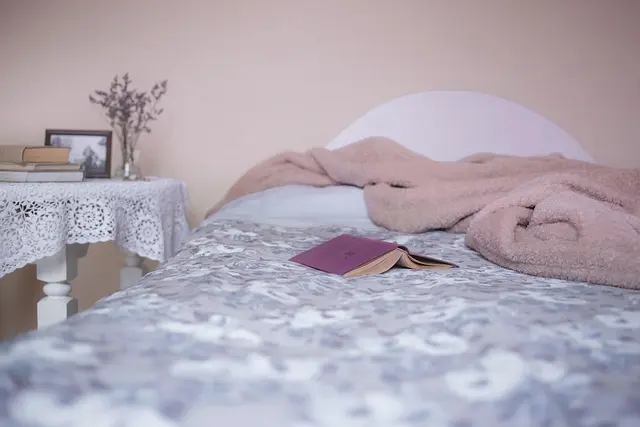
Once you have established a neutral foundation, it’s time to introduce an array of textiles. Focus on mixing diverse fabrics like velvet, cotton, and linen. For instance, pairing a plush velvet cushion with a cotton throw blanket on a linen sofa creates a compelling visual contrast. By layering these fabrics, you create a tactile experience that invites comfort and relaxation.
Recommended Combinations:
- Velvet and Linen: Soft yet structured
- Cotton and Knits: Warm and cozy
- Leather and Suede: Rich and luxurious
This method not only adds depth but also creates a harmonious balance in your decor. Interior designers recommend aiming for at least three different materials to achieve the best results.
Step 3: Incorporate Natural Elements
Natural materials, like wood, stone, and plants, can enhance the layered texture experience in your home decor. A rustic wooden coffee table, for instance, can serve as a striking focal point while complementing softer fabrics. Moreover, incorporating stone elements, such as a marble vase, introduces an unexpected contrast, adding elegance and sophistication.
Plants can enhance texture and life in any room. Varieties like cactus or snake plants not only provide a visual texture but also bring fresh air and color to your home. Research shows that bringing nature indoors can boost mood and reduce stress levels, making it a beneficial layer to consider in your home's design.
Step 4: Create Contrast with Color and Material
As you layer textures, it’s crucial to play with contrast. Darker materials juxtaposed against lighter ones can create striking visuals. For example, a deep blue velvet couch paired with light-colored throw pillows or an intricately patterned kettle can bring an elegant touch to the space.
Using metallics like gold or silver accents also adds sophistication. Incorporate metallic picture frames, lamp stands, or even furniture legs. A common error is sticking to similar shades; when creating a layered look, diversity in color may amplify the impact.
Step 5: Add Finishing Touches
Finishing touches often include decorative items like art and accessories that bring the entire look together. When styling surfaces, consider using items of varied heights and textures. A ceramic bowl, a chunky knit throw, and a glass vase can create a well-balanced arrangement.
Professional Tip: Don't overcrowd surfaces. Leave some space for breathing room to avoid a cluttered look. A common mistake in layering is the temptation to add too many elements, which can detract from the overall effect.
📺 Resource Video
> 📺 For further inspiration: Watch how to master layering textures in your home decor. Search on YouTube: "how to layer textiles in home decor 2026".
Glossary
| Term | Definition |
|---|---|
| Textures | Surface qualities of materials that affect visual and tactile experiences |
| Visual Texture | The illusion of texture seen but not felt |
| Tactile Texture | A texture that can be both seen and physically felt |
Checklist before decorating
- [ ] Choose a neutral base color.
- [ ] Select various textile fabrics for layering.
- [ ] Include natural elements like plants and wood.
- [ ] Ensure contrast in materials and colors.
- [ ] Curate decorative items with varying heights.
Quiz Quick
> 🧠 Quick Quiz: What is a key benefit of layering textures in home decor?
> - A) It reduces costs
> - B) Increases visual interest and comfort
> - C) Makes cleaning easier
> Answer: B — Layering textures greatly enhances the visual appeal and invites comfort.
📺 Pour aller plus loin : how to layer textiles in home decor 2026 sur YouTube