Table of Contents (21 sections)
Layering textures in home decor is a powerful technique that elevates the aesthetic of any room. By combining various materials, you create depth, warmth, and visual interest. In this guide, we will explore the art of layering textures and how to successfully implement it in your home.
1. Understanding Textures in Home Decor
What Are Textures?
Textures refer to the surface quality of materials, both visually and physically. They can be rough, smooth, soft, or hard and contribute significantly to the overall feel of a space. Understanding the different texture types—such as fabric, wood, metal, and glass—is essential to creating an engaging environment.
Why Layer Textures?
Layering textures enhances visual depth and interest in your decor. It also allows you to create zoned areas within larger spaces, making them feel more intimate. According to the American Society of Interior Designers (ASID), homes featuring thoughtfully layered textures are perceived as more inviting and cohesive. Implementing a variety of materials will also help to balance out the hard edges of furniture and architecture, creating a well-rounded design.
2. Choosing Your Textures
Step 1: Assess Your Space
Before you start layering textures, take a good look at your existing decor. Consider the colors, materials, and overall theme of the room. Ask yourself: "What textures are already present?" and "How can I enhance or contrast them?"
Step 2: Create a Texture Palette
Select a variety of textures that complement each other. For a cohesive look, try to stick to three to five different textures. For example, you could combine a soft velvet couch with a rough jute rug, glossy metallic lamps, and wooden elements for warmth.
💡 Expert Tip: Use samples of materials to see how they interact in different lighting conditions before making final decisions.
3. Layering Techniques
Step 3: Start with the Base Layer
Begin with your largest item, usually flooring or large rugs. A neutral or textured rug can serve as a foundation for layering. Choose materials like jute or sisal that ground the space without overwhelming it.
Step 4: Add Soft Furnishings
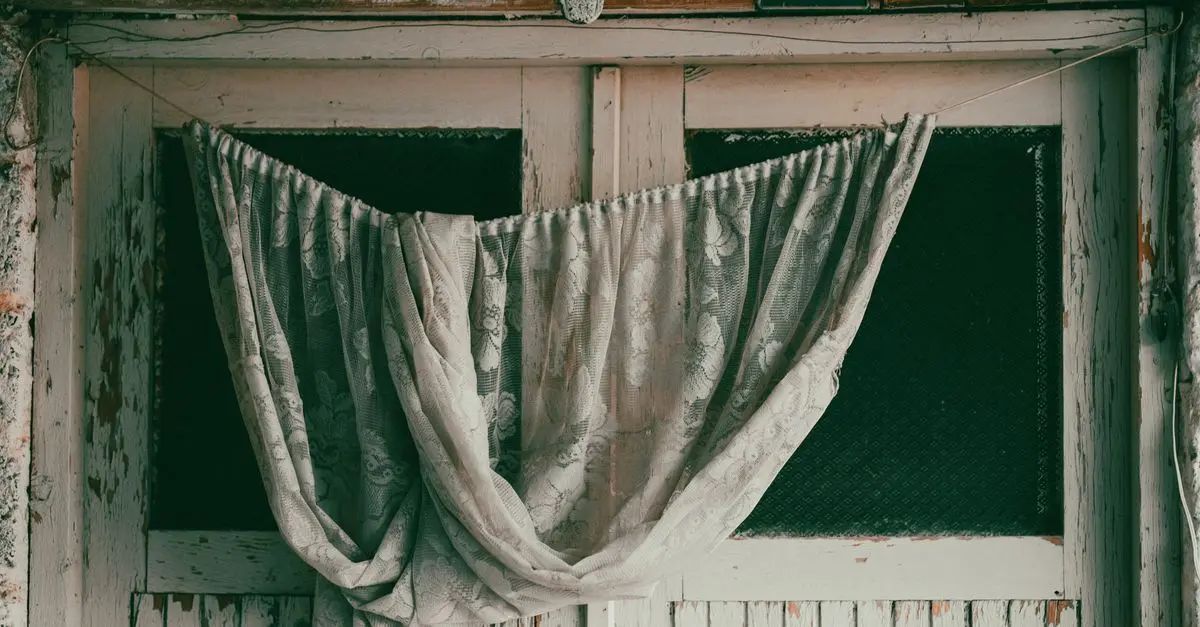
Next, introduce soft furnishings such as cushions, throws, and curtains. Vary the fabrics; consider combining smooth linen with fuzzy knit blankets or textured woven pillows. This layer must invite touch and comfort.
Step 5: Incorporate Decorative Elements
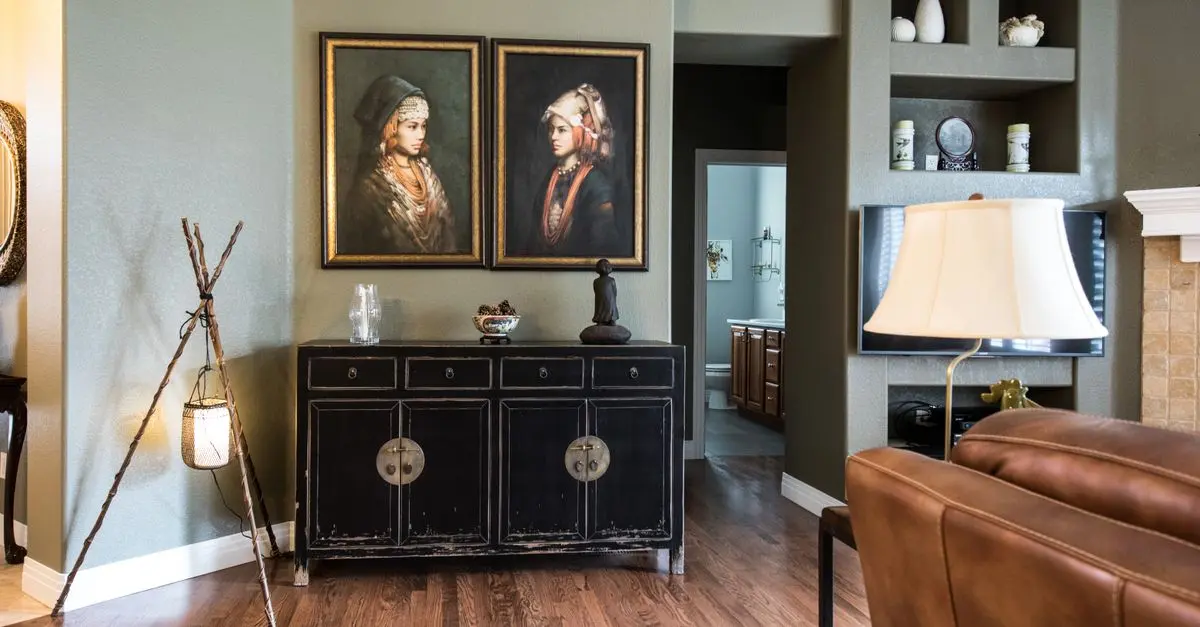
Finally, don't forget decorative elements like wall art, vases, and sculptures. Choose items that provide contrast to your soft furnishings. For instance, a sleek metal sculpture can balance the softness of fabrics, creating a dynamic tension in the space.
4. Common Mistakes to Avoid
Mistake 1: Overloading on One Texture
While uniformity can be appealing, layering should avoid creating a monotonous feel. Ensure a blend of various textures; overusing one can lead to a flat design.
Mistake 2: Ignoring Scale
Pay attention to scale when layering textures; mismatched sizes can throw the balance off. For instance, pairing a large artwork with tiny vases may not achieve the desired visual harmony.
5. Comparative Examples
| Layering Technique | Strengths | Weaknesses | Verdict |
|---|---|---|---|
| Monochromatic Layering | Cohesive and calming | Can be boring without contrast | Best for minimalist designs |
| Eclectic Layering | Unique and personalized | May appear chaotic if not balanced | Ideal for bohemian styles |
| Textured Layering | Creates depth and richness | Requires careful coordination | Perfect for modern decor |
6. Maintaining Your Textures
Care and Cleaning Tips
Each texture requires specific care; for example, velvet might need professional cleaning while synthetic blends can usually be hand-washed. Regularly vacuum and fluff cushions to maintain their shape.
Seasonal Swaps
Consider changing your layers seasonally. Light linens for summer can be replaced with heavier fabrics in winter, offering both aesthetic diversity and maximizing comfort.
📺 Video Resource
> 📺 For more insights: Mastering the Art of Layering Textures, a comprehensive tutorial on YouTube covering examples of each technique. Search for: how to layer textures in home decor 2026.
Checklist before Implementing Texture Layers
- [ ] Assess the existing textures.
- [ ] Create a cohesive texture palette.
- [ ] Start with a neutral base layer.
- [ ] Introduce soft furnishings gradually.
- [ ] Incorporate decorative elements last.
Glossary
| Term | Definition |
|---|---|
| Textures | The surface quality of materials affecting visual appeal. |
| Layering | The strategic arrangement of different materials to add depth. |
| Contrast | The difference between textures that enhances aesthetic appeal. |
> 🧠 Quick Quiz: What is the most important consideration when layering textures?
> - A) Color
> - B) Size
> - C) Type of material
> Answer: C — The types of material create the desired depth and interest.
📺 Pour aller plus loin : how to layer textures in home decor 2026 sur YouTube