Table of Contents (19 sections)
Layering textures in home decor is not just a trend; it’s a timeless strategy to add depth, warmth, and a polished look to any space. This technique involves combining various materials—such as fabrics, wood, metal, and ceramics—to create a visually engaging environment. By thoughtfully layering different textures, you can elevate the overall feel of your home, making it look more inviting and stylish. According to UFC-Que Choisir, incorporating diverse textures can transform a room from ordinary to extraordinary, providing a rich sensory experience that captures attention.
1. Understanding Texture and Its Importance
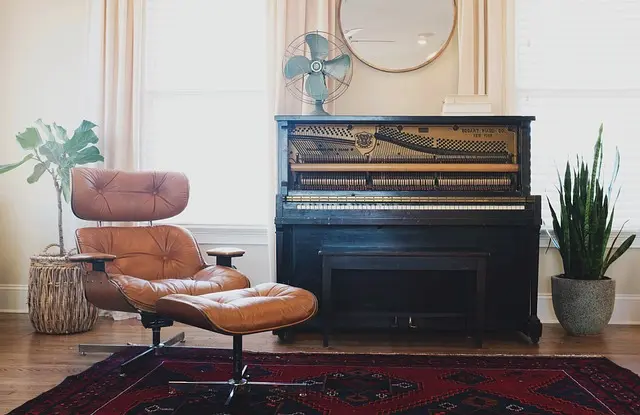
When we talk about texture in decor, we refer to the way a surface feels or appears. Textures can be soft, hard, rough, smooth, shiny, or matte. They interact with light and can influence how colors appear in a space. For example, a soft fabric can complement a sleek, shiny surface, creating contrast that adds intrigue.
The importance of texture cannot be overstated. A room that only utilizes flat surfaces can feel sterile and uninviting. In contrast, using a variety of textures helps in creating a welcoming atmosphere. Mixing materials—like pairing a chunky knitted throw over a sleek leather sofa—invites curiosity and encourages interaction. Textural variety also provides depth, making each piece more visually appealing.
2. Step-by-Step Process for Layering Textures
Step 1: Choose a Base Texture
The first step in layering textures is to select your base texture. This could be anything from a soft wool rug to a sleek wooden floor. Your base texture will set the tone for the rest of your decor. If you choose a softer base like a plush carpet, you might opt for harder, shinier textures in furniture or decor elements to balance the softness.
Step 2: Layer with Textile
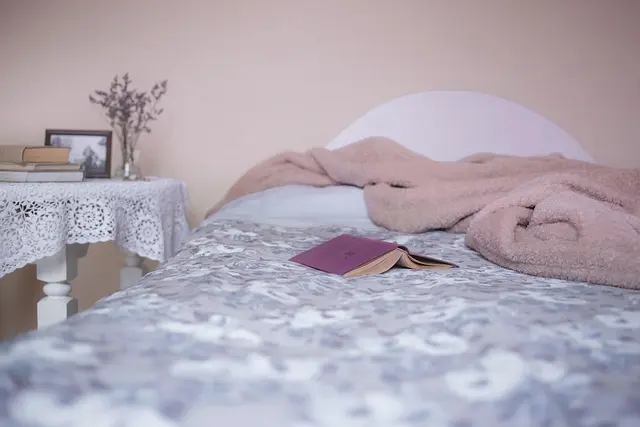
After establishing a base texture, the next step is to introduce textiles. Think about cushions, throws, and curtains. For instance, a cotton sofa can be paired with a rough linen throw and velvet cushions. This mix not only adds visual intrigue but also makes your space more comfortable.
Step 3: Incorporate Natural Elements
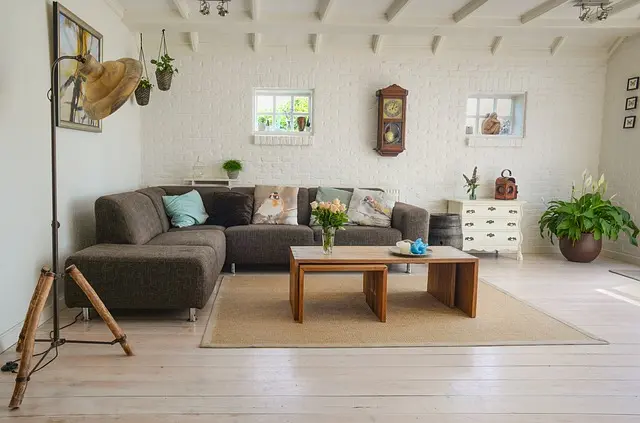
Adding natural elements is a fantastic way to introduce organic textures. Consider including plants and wood accents. A wooden coffee table with a unique grain paired with ceramic vases can create a beautiful contrast, enriching the overall aesthetic.
Step 4: Mix in Metal and Glass
Don’t shy away from incorporating metals and glass. A glass coffee table can bring a modern touch, while metal accents like a brass lamp can add sophistication. The key is to find the right balance; too much of these materials can make space feel cold.
Step 5: Accentuate with Artwork and Accessories
Finally, don’t forget about artwork and smaller accessories. Textured wall art or metal sculptures can serve as focal points. Layer these with the other textures already present to tie the room together and enhance the layered effect.

L.L.Bean Women's Camden Hills Tee, Three-Quarter-Sleeve Print Indigo Sunwashed Batik 1X, Tencel Blend L. L.Bean
llbean.com
Common Mistakes to Avoid
One common mistake when layering textures is overloading a space with textures without a cohesive thought process. Always aim for harmony and balance rather than chaos. It's also crucial to consider scale; mixing large and small textures can create an imbalance that detracts from the overall aesthetic.
3. Comparative Analysis of Textures
Understanding the different types of textures is key to mastering this decor technique. Here’s a quick comparison of popular textures used in home decor:
| Texture Type | Features | Best Uses | Pros/Cons |
|---|---|---|---|
| Fabric | Soft, tactile, varied | Upholstery, curtains, cushions | Adds warmth; can be hard to clean |
| Wood | Natural, sturdy, versatile | Furniture, flooring | Timeless look; can scratch easily |
| Metal | Sleek, modern, reflective | Lighting, accents | Durable; can be cold and impersonal |
| Glass | Transparent, varied finishes | Tables, decor accents | Light-enhancing; can be fragile |
| Natural Stone | Unique, luxurious | Countertops, flooring | Durable; can be heavy and expensive |
4. Analytical Insights on Texture Trends
According to a report by Les Numériques in 2025, textures in interior design have seen a resurgence as homeowners seek comfort and personalization in their spaces. The report highlighted that 68% of consumers prefer textured fabrics over smooth alternatives. This trend indicates a significant consumer shift towards creating inviting and cozy environments in their homes. Additionally, integrating eco-friendly materials has become a priority, with 45% of homeowners expressing interest in sustainable decor options. Therefore, when layering textures, consider sustainable choices that add depth without compromising environmental integrity.
5. FAQ on Layering Textures in Home Decor
Q1: What are some safe color combinations when layering textures?
A1: Neutral colors often work best; consider whites, grays, and beiges, which allow textures to shine. Flashes of color can be added through accessories.
Q2: How do I ensure my textures don’t clash?
A2: Stick to a consistent palette and choose textures that complement each other. Testing various combinations can help in visualizing the end result.
Q3: Should all textures in a room match?
A3: No, contrast is vital! Mixing textures is key to achieving an inviting look; just ensure they are harmonized by color.
Q4: How can I layer textures on a budget?
A4: Use budget-friendly home accessories like throws and cushions from discount retailers, or consider DIY projects to create unique pieces.

Stetson Fringed Button Front (Brown) - Women's Lamb Suede Jacket - Brown / Medium
hatcountry.com
Plus Size Women's Perforated Faux Leather Blazer by ELOQUII in Black Onyx (Size 18)
eloquii.com
Checklist Before You Start Layering Textures
- [ ] Choose a base texture
- [ ] Select complementary textiles
- [ ] Incorporate natural elements
- [ ] Add metal and glass accents
- [ ] Use artwork and accessories strategically
Glossary
| Terme | Définition |
|---|
| Texture | La façon dont une surface se sent ou apparaît visuellement.
| Cohésion | L'harmonie entre différents éléments d'un espace. |
| Contraste | L'effet créé en juxtaposant des éléments opposés. |
📺 Resource Video
> To learn more about layering textures effectively, check out videos on YouTube titled "Layering Textures in Home Decor".
Call to Action
Transform your home today by experimenting with textures and create a cozy, stylish environment that reflects your personality. Ready to get started? Explore our recommendations below!
📺 Pour aller plus loin : Layering Textures in Home Decor sur YouTube
Recommended products
Selected by our experts


Women's Soft Ribbed T-Shirt Long Sleeve Light Gray Medium UNIQLO US M female
uniqlo.com


Men's DRY Waffle T-Shirt with Quick-Drying Olive Medium Denim UNIQLO US M male
uniqlo.com

Men's Premium Linen Shirt Light Green Large Linen/Denim UNIQLO US L male
uniqlo.com