Table of Contents (16 sections)
Understanding Layering Textures
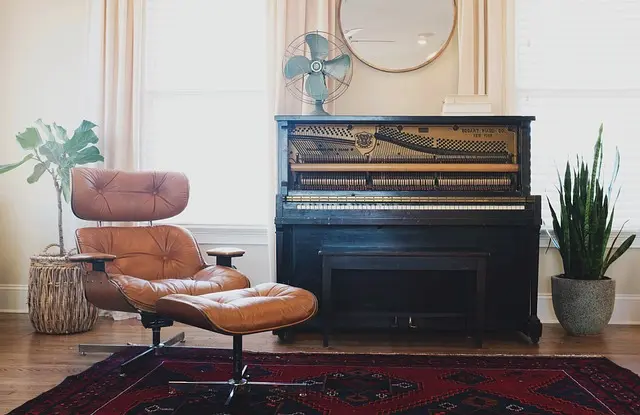
Layering textures in home decor is a technique that enhances the aesthetic and tactile appeal of a space. It involves mixing various materials such as textiles, wood, metal, and glass to create depth and interest in a room. The right combination of textures can evoke emotions and create a welcoming environment. According to design experts, a well-thought-out layering strategy can transform an ordinary room into an extraordinary sanctuary. The key to successful texture layering is understanding how different materials interact visually and physically.
Importance of Layering Textures
Layering is not just an advanced design strategy; it’s fundamental in ensuring your home feels cohesive and inviting. When combined effectively, textures can add richness and sophistication to your decor. For instance, pairing a soft wool throw with a sleek leather sofa can create a dynamic contrast that makes both elements stand out. Furthermore, studies show that people engage more with spaces that have varied textures, as they invoke a multi-sensory experience. This approach not only beautifies your home but also enhances comfort and livability.
Step 1: Choose Your Base Texture
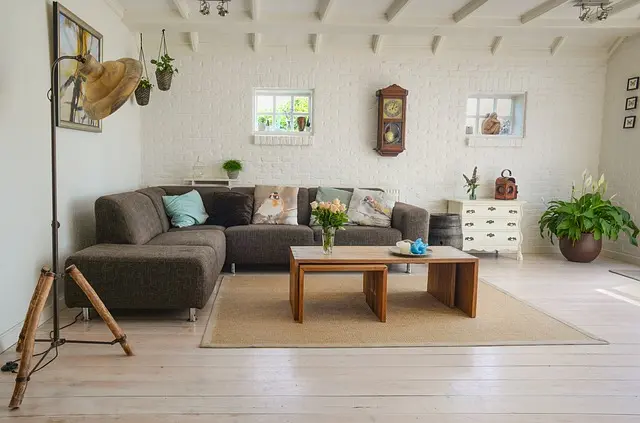
The first step in layering textures is selecting a base texture that will serve as the foundation for your decor. This could be a large area rug, a prominent piece of furniture, or even wall coverings. For example, a natural jute rug can lend an earthy feel to a room while also serving as a neutral backdrop for more vibrant textures.
Tips for Choosing Base Textures
- Materials Matter: Choose materials that are durable yet inviting. Natural fibers like cotton, wool, or linen are excellent choices.
- Color Palette: Consider the overall color palette of the room. A neutral base offers versatility for layering brighter or more vivid textures on top.
- Scale and Proportion: Ensure the scale of your base texture matches the other elements in the space. A substantial piece can anchor the room, making it feel grounded.
Step 2: Add Complementary Textures
After establishing your base, the next step is adding complementary textures. Think of elements that will enhance rather than overpower your base. Silk cushions, for example, can contrast beautifully with a rough jute rug, creating an appealing visual dialogue.
How to Choose Complementary Textures
- Contrast is Key: Look for textures that contrast with your base texture. Smooth surfaces can balance textured ones and vice versa.
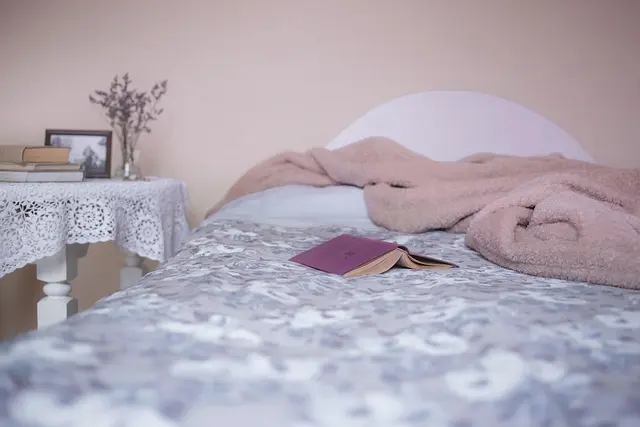
- Layering Techniques: Use throw blankets, decorative pillows, and soft furnishings. For instance, layering a chunky knit blanket over a sleek velvet sofa can add warmth.
- Experimentation: Don’t shy away from trying different combinations. Swap out individual pieces to find what feels right for your space.
Step 3: Incorporate Patterns
Patterns can add another dimension to your textured layering. They introduce visual interest and can tie disparate textures together. For example, combining a floral patterned throw with geometric cushions can create a balanced and lively display.
Best Practices for Incorporating Patterns
- Mix but Match: Choose patterns that share a common color scheme but differ in type. This keeps things cohesive while still interesting.
- Scale Variety: Combine different scales of patterns (large prints with small ones) to create depth.
- Limit the Palette: Stick to a few key colors to avoid overwhelming the space. This ensures that the patterns enhance rather than clash.
Step 4: Utilize Functional Textures
Textures should not only be aesthetically pleasing but also functional. Consider how your chosen textures serve a purpose. For instance, a faux fur throw not only adds warmth but also creates a luxurious feel.
Practical Functional Textures
- Textured Wall Finishes: Use stone or brick walls to create a rustic vibe. This serves as more than just decor; it enhances insulation as well.
- Textured Fabrics: In upholstery, consider materials like leather or suede for durability combined with aesthetic appeal. According to consumer reports, these fabrics are also easier to maintain over time.
- Natural Elements: Incorporate plants or wooden elements that add a natural texture. They not only beautify but also improve air quality.
Step 5: Create Balance and Contrast
Finally, the last step is ensuring balance and contrast in your layering. Effective layering prevents any single texture from dominating, creating a harmonious space.
Balancing Your Textures
- Visual Weight: Distribute heavier textures like leather or wood evenly across the room to balance lighter items, such as linens.
- Variation is Essential: Keep the eye engaged by alternating textures; for instance, position a smooth vase next to a rough stone feature.
- Symmetry and Asymmetry: Play with both to create dynamic spaces. Symmetrical arrangements can feel formal, while asymmetrical ones tend to be more modern and casual.
Checklist Before You Start
- [ ] Choose a suitable base texture.
- [ ] Select complementary textures.
- [ ] Incorporate patterns and designs.
- [ ] Utilize functional textures wisely.
- [ ] Ensure balance and contrast throughout the room.
Glossary
| Term | Definition |
|---|---|
| Texture | The feel or appearance of a surface, often described in relation to its tactile quality (smooth, rough, etc.). |
| Layering | The technique of placing or arranging different textures or elements on top of one another to create depth and visual interest. |
| Contrast | The juxtaposition of differing elements (like smooth and rough) to highlight their differences and enhance visual appeal. |
Quick Quiz
> 🧠 Quick Quiz: What is the most important aspect of layering textures?
> - A) Using similar materials
> - B) Creating contrast and balance
> - C) Sticking to one color
> Answer: B — Creating contrast and balance makes textures stand out and enhances the space.
📺 To go further: Mastering Texture Layering, a detailed guide on optimizing your home’s aesthetic with layered textures. Search on YouTube: "layering textures home decor 2026".
📺 Pour aller plus loin : layering textures home decor 2026 sur YouTube