Table of Contents (20 sections)
Mixing textures in home decor is an essential technique that can significantly enhance the visual appeal and comfort of your living space. By layering different textures, you can create depth and interest that draw the eye and invite touch. This guide will take you through the art of mixing textures, offering practical tips, examples, and common pitfalls to avoid, ensuring your home decor is both stylish and inviting.
Understanding Textures in Home Decor
What are Textures? Textures refer to the surface quality of objects within your home that can be sensed by touch or sight. They can be rough, smooth, shiny, matte, soft, or hard, and play a crucial role in design. When furniture, fabrics, and decor items possess varied textures, they complement each other, providing contrast and balance.
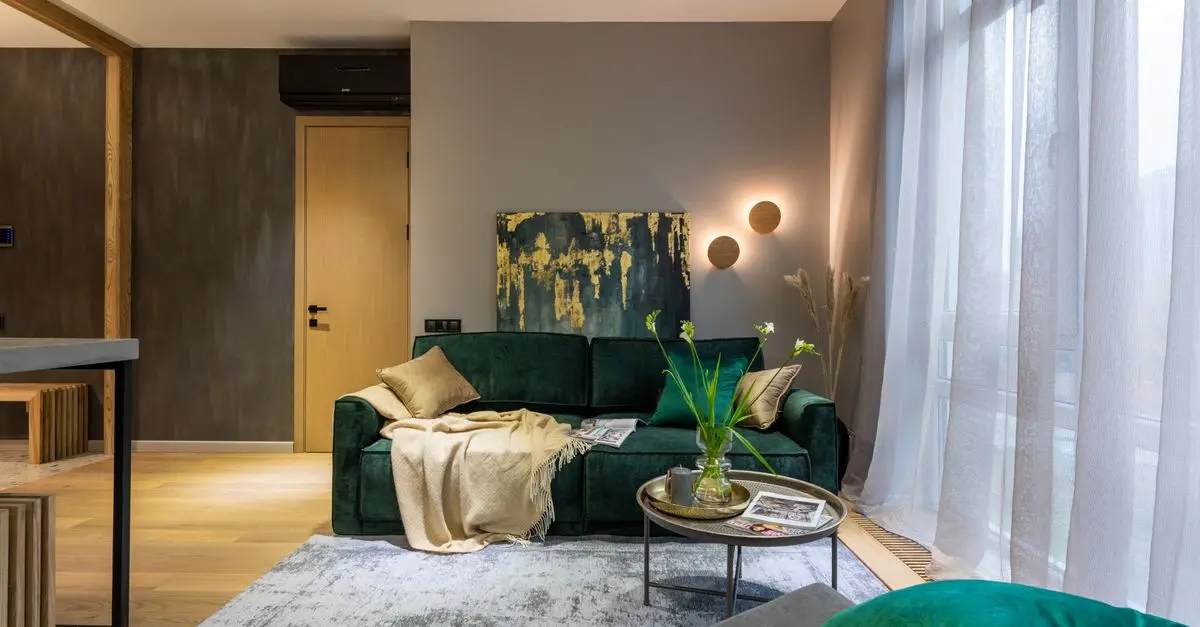
Why Mix Textures? According to interior designers, a unique combination of textures ensures that a space doesn’t feel flat or one-dimensional. Mixing textures is about creating harmony through contrast. For instance, pairing a soft velvet throw with a rugged jute rug can create an inviting and balanced atmosphere.
The Psychological Impact of Texture: A study conducted by the Herman Miller Research Group (2025) indicates that environments with varying textures positively influence mood and comfort. This means that thoughtfully mixed textures can not only enhance aesthetics but also improve overall well-being.
Step-by-Step Guide to Mixing Textures
Step 1: Start with a Neutral Base
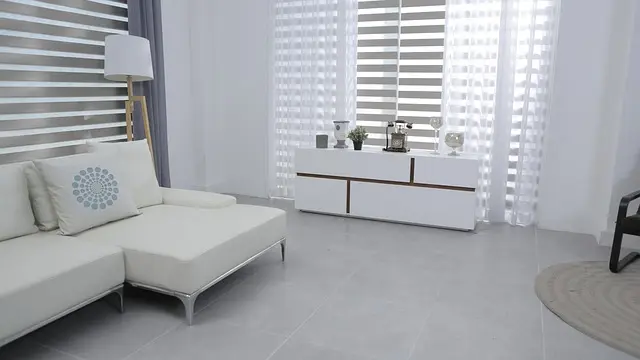
When approaching the art of mixing textures, a neutral palette acts as a foundation that allows texture to take center stage. Think about starting with whites, creams, or grays for your walls or primary furniture pieces. This neutrality creates a versatile backdrop that makes it easier to layer textures without overwhelming the senses.
- Pro Tip: Use textured wall treatments like stucco or wood paneling to add dimension without color distractions.
- Common Mistakes: Avoid overly vibrant colors as the main focus; they can distract and make mixing textures more challenging.
Step 2: Choose a Variety of Textures
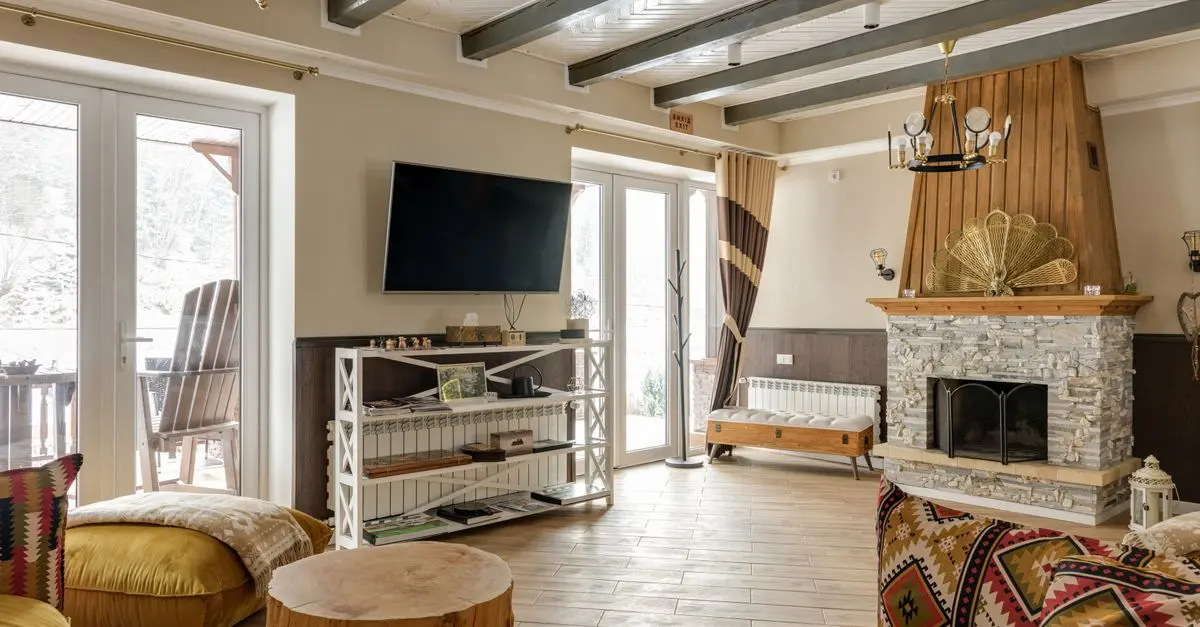
In your quest to mix textures, consider incorporating at least three types. Fabrics, finishes, and materials should differ to create visual interest. A well-balanced selection might include:
- Soft textures: such as cushions, throws, or upholstered furniture.
- Hard textures: like glass, metal, or wood.
- Natural textures: including stone, rattan, or wicker.
- Pro Tip: Use fabric swatches to visualize how well different textures pair together.
- Common Mistakes: Relying solely on similar materials can lead to a bland, uninspired look.
Step 3: Layering Techniques
Once you have your base and varied textures selected, it’s time to layer them. This can be achieved through overlapping textiles in your living room, for example.
- Cushion Arrangement: Mix and match pillows of different materials on your sofa, such as soft velvet with crisp linen and chunky knit textures.
- Rug Usage: Place a smaller, softer area rug on top of a larger, more durable rug to create depth.
- Pro Tip: Consider the scale of items; larger pieces should typically sit below smaller layers for balance.
- Common Mistakes: Over-cluttering with too many textures can defeat the purpose and create chaos.
Step 4: Use Color Wisely
While texture is your main focus, color also plays a crucial role in the mixing process. Use different shades and tones within the same color family to maintain cohesion while allowing textures to shine.
- A combination of muted tones adds sophistication, especially when mixing different materials.
- Pro Tip: Utilize a color wheel to find complementary shades that match different textures.
- Common Mistakes: Ignoring color harmony may result in visual discord.
Step 5: Gather Inspiration
Look for inspiration in interior design magazines, online platforms like Pinterest, or home decor blogs. Analyze how designers successfully mix textures in their projects. You might also seek advice from local decor stores to see textures in real life before making purchases.
- Pro Tip: Create a mood board to visualize and refine your approach before implementing it in your home.
- Common Mistakes: Relying solely on one source of inspiration can limit creativity.

📺 For Further Exploration
> Check out videos on YouTube about mixing textures in home decor by searching 'mixing textures 2026'. The visual examples can enhance your understanding of these techniques.
Checklist for Mixing Textures
- [ ] Start with a neutral base
- [ ] Choose at least three different textures
- [ ] Layer textiles thoughtfully
- [ ] Use color wisely
- [ ] Gather inspiration from various sources
Comparative Overview of Different Textures
| Texture Type | Description | Examples | Best Usage |
|---|---|---|---|
| Soft | Inviting and cozy | Velvet, wool, cotton | Cushions, throws |
| Hard | Durable and structured | Wood, metal, glass | Furniture, decor items |
| Natural | Earthy and organic | Wicker, stone, clay | Accessories, accents |
| Smooth | Sleek and modern | Glass, polished metals | Tables, frames |
Frequently Asked Questions
What are the best textures for small spaces?
Using lighter, softer textures can help small spaces feel larger, while a few contrasting textures can add interest without overwhelming.
How do I know if I've mixed textures successfully?
If the room feels inviting and visually interesting without looking cluttered or chaotic, you have successfully mixed textures.
Can I mix different patterns too?
Yes, mixing patterns can enhance texture layering, but try to keep them in the same color family for consistency.
How often should I change textures in my home decor?
Regularly updating textures with seasons or trends can keep your space fresh; however, substantial changes should be made less frequently.
Glossary
| Term | Definition |
|---|---|
| Texture | The surface quality of materials that may be seen or felt. |
| Layering | The act of placing multiple textures on top of each other for visual interest. |
| Neutral Palette | A color scheme that uses colors like white, gray, or beige as a base for design. |
Conclusion
Mixing textures in home decor can be a fun and engaging journey that transforms a space. With these steps and tips, you're well on your way to creating a harmonious and stylish environment. Begin experimenting, trust your instincts, and don't hesitate to reach out for professional guidance if needed.
Call to Action
Explore our curated selection of home decor items tailored for mixing textures effectively – discover your ideal pieces below!
📺 Pour aller plus loin : mixing textures in home decor tutorial 2026 sur YouTube
Recommended products
Selected by our experts
The Art of Tattooing: Mixing Big Stencil and Freehand Styles
Alison US CA
This product aligns with the theme of mixing textures, providing unique styles and finishes perfect for layering in decor.