Table of Contents (11 sections)
Mixing textures is an essential aspect of home decor that can significantly elevate the aesthetic and ambiance of any space. It refers to the thoughtful combination of various materials and surfaces to create a harmonious and visually interesting environment. When done correctly, mixing textures can add depth, warmth, and appeal to your home, making it feel more lived-in and inviting. This guide will provide you with a detailed understanding of how to skillfully blend textures in your home decor while avoiding common pitfalls.
Why Mix Textures?
Understanding the need for mixing textures in home decor is crucial for achieving a balanced look. Different textures serve to engage the senses, providing visual intrigue and dimensionality. For instance, combining a soft, plush fabric with a sleek, hard surface can create a striking contrast, invoking a tactile experience that draws people in. According to a study by the American Society of Interior Designers, homes that skillfully blend textures tend to have a more personal and inviting feel, often making guests feel more at ease.
In many cases, people gravitate toward specific textures that resonate with their emotions or experiences, making it essential to consider personal preference while mixing. Considerations of light and shadow also come into play, as different materials reflect light differently. Materials such as wood can bring a natural warmth, while metal accents can add a modern touch. Thus, mixing textures not only helps create a visually appealing environment but also influences the mood and atmosphere of your room.
Step 1: Start with a Neutral Base
Before diving into the world of textures, it's beneficial to establish a neutral base. This foundation usually includes neutral colors and materials such as white walls or light-colored furniture. A neutral base serves as a blank canvas, allowing you to easily incorporate different textures without overwhelming the space. You can consider starting with a neutral area rug or sofa, which can help anchor the room.
When selecting base materials, consider using natural fibers like cotton or linen for an organic feel. For example, a beige cotton sofa can seamlessly transition into a space filled with textured throw pillows and layered blankets. According to Houzz, 75% of homeowners prefer neutral shades as a backdrop for adding accents, proving that this step is not just a recommendation but a widely accepted practice.
Step 2: Identify Your Textures
Once your neutral base is established, it's time to identify which textures you want to incorporate. Common textures include soft fabrics (like velvet or faux fur), hard surfaces (like wood, glass, or metal), and even natural elements such as stone or plants. As a rule of thumb, aim for at least three different textures to create a compelling effect.
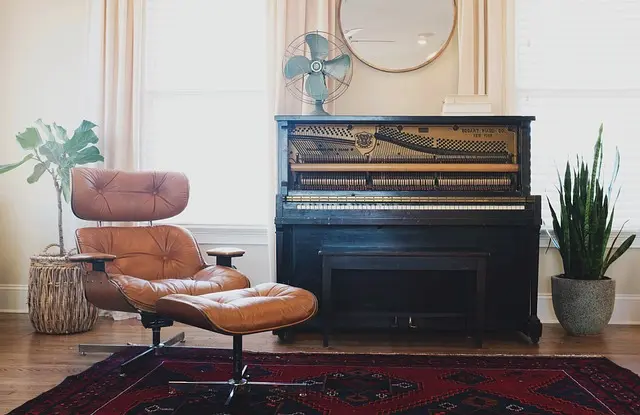
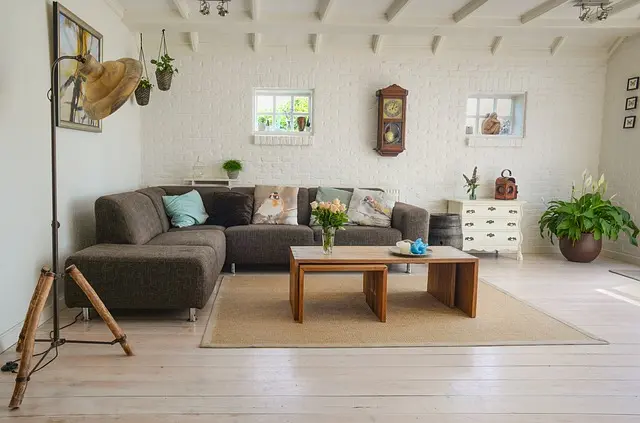
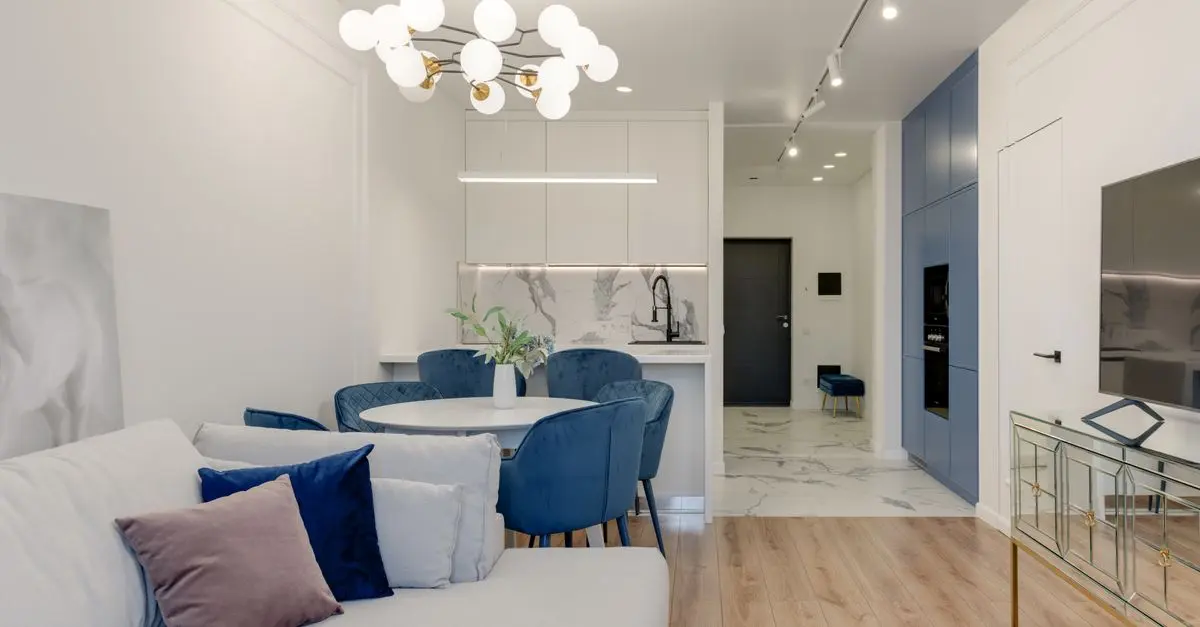
When selecting textures, consider the overall theme of your room. For example, a contemporary living room may benefit from a combination of leather, glass, and metal for a sleek, modern look. On the other hand, a rustic space might integrate wooden accents, woven rugs, and knitted throws. Keep in mind that each texture you choose should complement the others without clashing. This is where you can experiment with different materials in-store or take samples home to visualize the outcome.
Step 3: Layer Textures
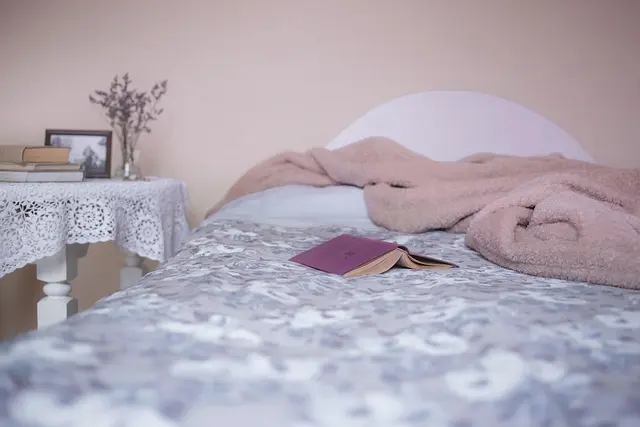
After identifying your textures, the next step is to strategically layer them throughout the room. This can be achieved through decor items like pillows, throws, and wall art. For example, a plush velvet throw in rich jewel tones draped over a cotton sofa, paired with wooden accents, can provide a luxurious yet down-to-earth approach.
To create depth, think vertically as well. Using different heights in decor items can enrich your palette. A tall, narrow lamp paired with low, round side tables can break the monotony of space, enhancing the layered effect. According to Elle Decor, layering textures is critical for avoiding a flat appearance, helping each element stand out while still harmonizing with the overall decor.
Step 4: Experiment with Patterns
While mixing textures is essential, experimenting with patterns can enhance your design scheme even further. Consider incorporating textured patterns into materials such as throw pillows, curtains, and area rugs. Mixing patterned fabrics—like floral cushions with a striped rug—can add that extra visual stimulation to a room, but ensure they complement each other in some way.
A good practice is to apply the 80/20 rule: 80% of the decor should be neutral or solid, while the remaining 20% can introduce patterns. According to interior design experts at Apartment Therapy, this can help maintain a balanced look without making the room feel chaotic. When patterns and textures blend well, they can breathe life into your environment.
Step 5: Keep the Balance
Achieving a balance is crucial for a cohesive look when mixing textures. Randomly placed textures may cause visual chaos, so consider grouping similar textures in one area or section of your room for a decluttered and coherent look. For instance, if you have a combination of leather, wood, and stone, try to align these textures in a corner to create a defined zone.
Additionally, be mindful of the weight of each texture. Heavier materials like leather can anchor a room, while lighter textures like linen can float effortlessly. Balancing these can prevent your space from feeling too heavy or too light in specific areas. A study by Dwell indicates that well-balanced decor corresponds to higher satisfaction among residents, proving this step is fundamental.
📺 Ressource Vidéo
> 📺 Pour aller plus loin : Explore Mixing Textures in Home Decor, a comprehensive guide on blending textures for a stunning interior. Search YouTube: mixing textures in home decor 2026.
Checklist before Mixing Textures
- [ ] Choose a neutral base for your decor
- [ ] Identify at least three types of textures
- [ ] Layer textures across various areas
- [ ] Experiment with patterns carefully
- [ ] Ensure a balanced look throughout the room
Glossaire
| Terme | Définition |
|---|---|
| Texture | La surface d'un matériau qui détermine son aspect et sa sensation tactile. |
| Layering | La technique d'ajout de plusieurs éléments textuels pour créer de la profondeur dans le décor. |
| Balance | L'agencement harmonieux des éléments dans un espace, créant une perception visuelle agréable. |
Quiz rapide:
> 🧠 Quiz rapide : What is the key benefit of mixing textures in home decor?
> - A) To increase space
> - B) To add visual interest
> - C) To reduce costs
> Réponse : B — Mixing textures creates visual intrigue and depth in a space.
With these tips, you are ready to master the art of mixing textures in home decor. By carefully considering the elements and applying these techniques, your home can transform into a stylish retreat that reflects your unique personality and taste.
📺 Pour aller plus loin : mixing textures in home decor 2026 sur YouTube