Table of Contents (12 sections)
Introduction
Mixing textures in home decor is an art that can elevate any space, making it not just visually appealing but also inviting and comfortable. By understanding how to combine various textures, you can create a dynamic environment that reflects your personal style. From the softness of fabrics to the ruggedness of wood and the smoothness of metals, the right mixture can tell a story in your home. This tutorial will guide you through the steps needed to master the art of mixing textures effectively.
What is Mixing Textures in Home Decor?
Mixing textures in home decor involves combining different materials to create contrast, depth, and interest throughout your living spaces. This technique not only provides visual variety but also engages the senses, creating a layered look that feels rich and inviting. According to recent studies on interior design trends, homes that successfully blend textures are perceived as more inviting, potentially increasing their overall comfort and aesthetic appeal.
A common mistake homeowners make is sticking to a single texture type, which can lead to a flat and uninteresting design. For example, a room filled only with smooth, slick surfaces can feel cold and unwelcoming; conversely, rooms that utilize multiple textures feel cozy and lived-in. The key is to balance these elements thoughtfully, ensuring they work in harmony rather than compete for attention.
Step 1: Understand Different Textures
The first step in mixing textures effectively is to understand the different types of textures available. Textures can be categorized broadly into three types: soft, hard, and natural. Soft textures include materials such as cotton, velvet, and linen. Hard textures encompass metal, glass, and stone, while natural textures may involve wood and wicker materials.
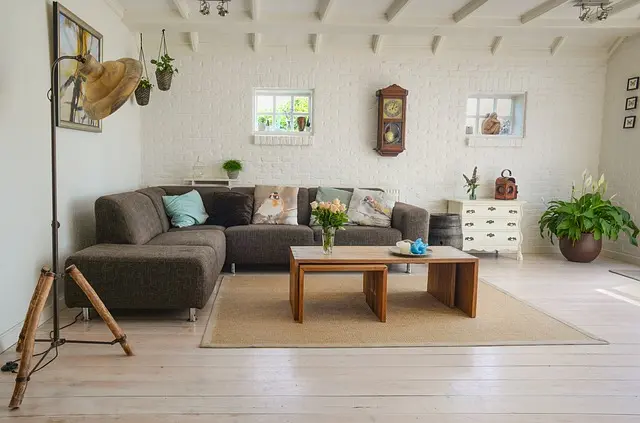
When selecting textures, consider not only the look but also the feel of each material. For instance, pairing a soft, plush velvet sofa with a rough-hewn wooden coffee table can create an interesting contrast.
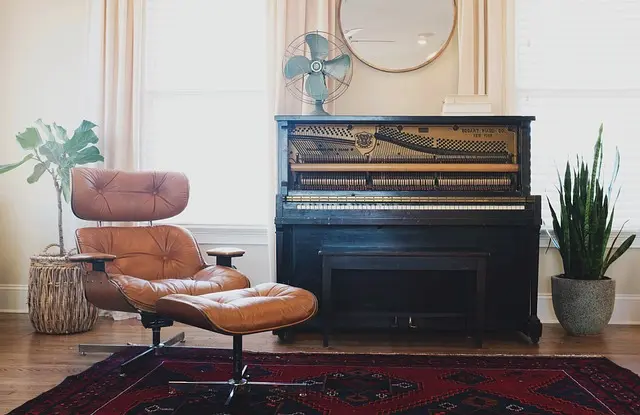
When experimenting, aim for at least three different textures in a space to enhance the visual narrative. For example, you could choose a soft rug, a sleek leather sofa, and wooden accessories to create a balanced room. Just remember—too many competing textures can create confusion and disarray.
Step 2: Create a Color Palette
Once you have a good understanding of the textures you want to incorporate, the next step is selecting a color palette. Choose a primary color that will anchor your space, along with secondary colors that complement your textures. As a rule of thumb, limit your palette to around three to four colors to prevent overwhelming the eyes.
For instance, if you decide to use a warm beige as your base color, consider adding soft greens and soft whites to create accents throughout the decor. These colors can be represented in the textures you choose, such as a beige sofa, patterned green pillows, and a white marble coffee table.
Matching your textures to your color palette can result in a cohesive and inviting space. According to a recent study by the American Society of Interior Designers, color plays a significant role in how spaces are perceived emotionally, which further underlines the importance of careful color selection in conjunction with texture.
Step 3: Balance with Patterns
While textures provide depth, patterns infuse style and personality into your decor. It’s essential to strike a balance between textures and patterns to keep the space feeling harmonious. Select patterns that are complementary to your textures; for example, geometric patterns might work well alongside smooth, shiny textures, while floral prints can blend beautifully with softer, woven materials.
When pairing patterns, consider the scale—large patterns can anchor a room, while smaller ones can add subtle interest. A common approach is to use a large-patterned rug as a focal point and complement it with smaller patterned throw pillows or a textured blanket.
This method not only creates visual interest but also helps integrate various textures seamlessly. A study conducted by the National Interior Design Association suggested that rooms that incorporate patterns with thoughtful texture elements feel more dynamic and inviting.
Step 4: Layering Techniques
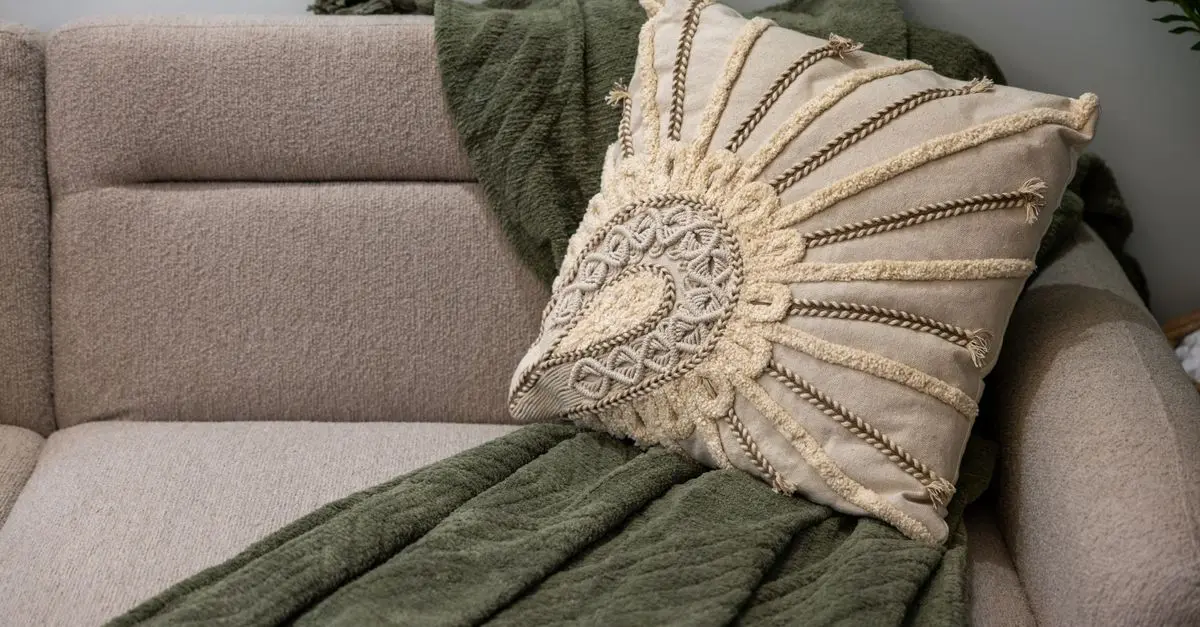
Layering is perhaps the most effective technique for mixing textures. This involves placing various materials on top of one another to create depth. You can layer using textiles like throw blankets, cushions, and rugs. For example, a soft wool blanket over a leather couch can soften the look while adding warmth.
Start with large pieces and build layer by layer. For instance, lay down a textured area rug, followed by lighter throw rugs or even faux fur for contrast. Don’t shy away from experimenting; juxtaposing textures is often the key to successful layering.
Experiment also with layering vertical and horizontal lines to enhance the flow of textures across the space. According to research by the Furniture Today Magazine, spaces that are carefully layered often evoke a more lived-in and homey feel compared to those that are sparsely decorated.
Step 5: Personal Touches and Accessories
Finally, add personal touches to your decor to make it uniquely yours. Incorporate elements that reflect your personality, such as family photos, travel souvenirs, or heirloom pieces. These accessories can provide narratives that bind the various textures and colors of your home together.
Functional accessories, like baskets or textured vases, not only contribute to the decor but also invite tactile interaction. Consider using textured candles or ceramics as decorative pieces that also serve functional purposes. When decorating, aim for a well-curated look, avoiding excessive clutter to maintain focus on individual textures.
When in doubt, remember that less is more. A couple of well-placed, meaningful accessories can significantly impact the overall feel of your space more than numerous, unrelated decorations.
Conclusion
Mixing textures in home decor is all about intention and understanding. By learning the various types of textures, creating a cohesive color palette, balancing patterns, layering strategically, and including personal elements, you can turn your home into a cozy and visually stimulating environment. Remember, the art of decor lies in blending elements that resonate with you while ensuring they work in harmony.
💡 Expert Tip: Always test textures together in your space before committing. Take samples of fabric or materials home where you can see them in the light and alongside other elements of your decor.
Checklist before Mixing Textures
- [ ] Understand key textures (soft, hard, natural)
- [ ] Select a cohesive color palette
- [ ] Balance textures with patterns
- [ ] Experiment with layering techniques
- [ ] Include personal accessories
Glossary
| Term | Definition |
|---|---|
| Textures | The surface qualities of materials used in decor, such as smooth, rough, soft, or hard. |
| Color Palette | A selection of colors used together in a design, providing cohesion and aesthetic appeal. |
| Layering | The practice of placing various materials on top of one another to add depth and complexity to decor. |
🧠 Quick Quiz
> What is a key technique for mixing textures in home decor?
> - A) Using only one material
> - B) Layering different materials
> - C) Sticking to one color
> Answer: B — Layering different materials enhances depth and creates interest.
📺 For further exploration: Discover advanced mixing techniques in our video guide on YouTube. Search for:
Mastering Texture Mixing in Home Decor.
📺 Pour aller plus loin : Mastering Texture Mixing in Home Decor sur YouTube