Table of Contents (11 sections)
Living in a tiny home presents unique challenges, particularly when it comes to optimizing limited space. Whether due to financial decisions, environmental concerns, or simply the appeal of a minimalist lifestyle, many are now embracing compact living arrangements. The key lies in employing clever solutions to enhance functionality while keeping your sanctuary comfortable and inviting. In this comprehensive guide, we'll explore actionable steps to effectively optimize your tiny home, ensuring that every square foot serves a purpose.
1. Assess Your Space Requirements
Before launching into specific optimization strategies, take a step back to assess your actual needs. What do you truly require for daily living? Start by evaluating your current possessions and the items you regularly use. It can be helpful to categorize these into essentials, occasional uses, and items you can live without. This exercise not only declutters your mind but also lays the groundwork for future space optimization.
For example, consider the following:
- Essentials: Kitchenware, clothes, toiletries.
- Occasional Uses: Holiday decor, season-specific attire.
- Items to Get Rid Of: Duplicate tools, items not used in the past year.
This assessment helps you streamline what you keep in your tiny home and identifies areas where you can implement multifunctional furniture or innovative storage solutions.
2. Invest in Multifunctional Furniture
To truly optimize tiny home spaces, investing in multifunctional furniture is vital. These pieces serve multiple purposes while minimizing bulk, which is particularly essential in limited areas. For instance:
- Murphy Beds: Wall beds that fold into the wall, providing ample floor space when not in use.
- Storage Ottomans: These can serve as seating, footrests, or coffee tables while hiding away items within.
- Convertible Sofa: A sofa that can transform into a bed, catering to overnight guests while saving space in your living room.
According to the National Association of Home Builders, multifunctional spaces are increasingly in demand, with over 60% of homebuyers prioritizing flexible living arrangements. Thoughtfully chosen furniture can drastically enhance your tiny home’s versatility and comfort.
3. Maximize Vertical Space
When you live in a compact environment, you must think vertically. This is often an underutilized area that can dramatically enhance functionality. Incorporate shelves, cabinets, or hooks to maximize this potential. Some practical ways include:
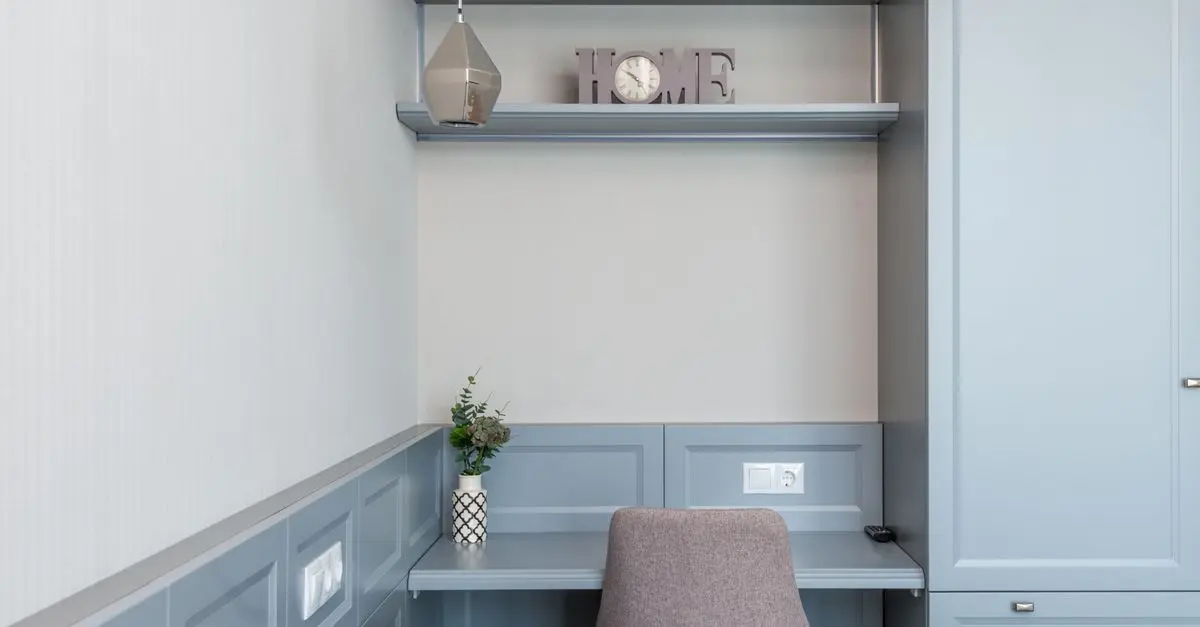
- Wall-mounted Shelving: Ideal for book storage, plants, or decorations, these shelves free up floor space while adding character.
- High Cabinets: Installing kitchen cabinets extending to the ceiling utilizes every inch for storage and keeps your kitchen tidy.
- Hanging Organizers: Use hooks for pots and pans in the kitchen or for coats and bags at entry points, keeping items accessible but off the ground.
Utilizing height not only optimizes space but can also make your tiny home feel larger, as the eye is drawn upward, creating an illusion of depth.
4. Create Hidden Storage Solutions
Hidden storage is a clever way to maintain an uncluttered living space while still retaining essential items. Here are practical methods to incorporate hidden storage:
- Under-Bed Storage: Utilize bins or drawers that slide under the bed for out-of-season clothing or gear, keeping the visible area clear.
- Nesting Tables: Choose tables that can stack together when not in use, minimizing the visual footprint while maintaining functionality.
- Hollow Stools or Benches: These can provide seating while hiding away books, games, or extra pillows.
These solutions create a cleaner look in your tiny home, enhancing the overall ambiance while ensuring everything has its place.
5. Plan Your Layout Strategically
The layout of your tiny home can significantly affect its functionality. A strategic layout should prioritize flow and accessibility while considering natural light. Here are some tips:
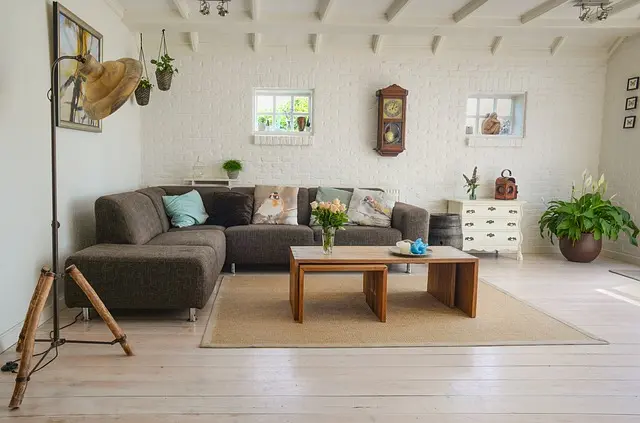
- Open Floor Plans: While separation of spaces can create distinct areas, an open layout often promotes flow and accessibility between different zones of your home.
- Designated Zones: Create small areas for specific tasks (like cooking, working, or sleeping) using rugs or furniture arrangement without encroaching on space.
- Fluidity in Movement: Ensure there's enough space for movement between furniture, reducing the feeling of confinement and promoting ease of living.
A well-thought-out layout can have a profound impact on the livability of your tiny home, fostering an environment that feels both spacious and inviting.
📺 Resource Video
> 📺 To go further: How to Maximize Small Spaces in your Home, a comprehensive analysis on effectively optimizing living areas. Search on YouTube: maximize tiny home spaces.
6. Regularly Declutter and Evaluate
Optimization is not a one-time task but an ongoing process. Establish a routine for decluttering and assessing your belongings regularly. This helps maintain a tidy and functional environment. A good rule of thumb is to re-evaluate your items every six months. Ask yourself:
- Have I used this in the last month?
- Does it add value to my life?
- Would someone else benefit from it more?
This continuous cycle of evaluation keeps your tiny home optimized and prevents clutter from creeping back in.
Conclusion
In a world where tiny living is becoming increasingly popular, the ability to optimize tiny home spaces is crucial. By following these steps—assessing your needs, investing in multifunctional furniture, maximizing vertical space, creating hidden storage, planning your layout strategically, and regularly decluttering—you can make the most of your compact living space.
Live intentionally and make choices that ensure your tiny home is designed to maximize both comfort and functionality.
Checklist before Optimizing Your Tiny Home
- [ ] Assess your through a needs analysis.
- [ ] Invest in multifunctional furniture pieces.
- [ ] Maximize vertical storage with shelves and hooks.
- [ ] Incorporate hidden storage methods.
- [ ] Create a fluid layout for accessibility.
- [ ] Schedule regular decluttering sessions.
Glossary
| Term | Definition |
|---|---|
| Multifunctional Furniture | Furniture designed to perform multiple roles in small spaces, enhancing usability without compromising on aesthetics. |
| Hidden Storage | Storage solutions that conceal items away from sight, helping to maintain a clean and organized appearance in living spaces. |
| Open Floor Plan | A design featuring connected living spaces that eliminate barriers, promoting flow and space efficiency in smaller homes. |
> 🧠 Quick Quiz: What is the best type of storage solution in a tiny home?
> - A) Large cabinets
> - B) Multifunctional furniture
> - C) Floor-to-ceiling bookcases
> Answer: B — Multifunctional furniture maximizes space utility.