Table of Contents (10 sections)
Interior design is more than simply arranging furniture. It’s a complex discipline that combines aesthetics, functionality, and a deep understanding of human behavior and spatial dynamics. To excel in interior design, one must grasp the core principles that serve as the foundation of effective and aesthetically pleasing spaces. Understanding these principles can help anyone, from DIY enthusiasts to professional designers, create environments that are not only visually stunning but also comfortable and functional.
What Are Interior Design Principles?
Interior design principles refer to the essential elements that guide the planning and execution of design projects. Each principle serves a specific purpose while enhancing the overall effectiveness of the design. The main principles include:
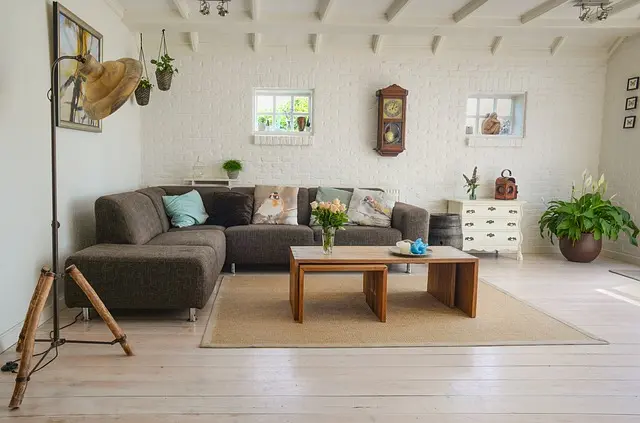
- Balance: This involves the distribution of visual weight in a space, which can be symmetrical or asymmetrical. For example, placing evenly sized furniture on either side of a room creates symmetry, while an asymmetrical arrangement might feature a large sofa on one side with a cluster of smaller chairs on the other.
- Harmony and Unity: These principles ensure that all elements in the room work together cohesively. A well-designed space feels 'whole'—like every item belongs, whether it's through color schemes, materials, or patterns.
- Scale and Proportion: This refers to the size relationships between objects within a space. A tiny coffee table can feel lost in a large room if not matched correctly. Understanding the scale can help in selecting pieces that complement each other.
- Rhythm: Rhythm in interior design is about creating a sense of movement. This can be achieved through repetition of colors, shapes, or patterns throughout a space, guiding the eye and creating interest.
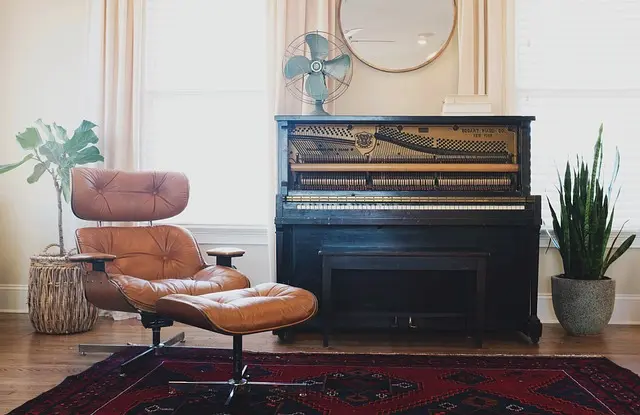
- Focal Point: Every room should have a focal point, whether it’s a piece of art, a fireplace, or a vibrant piece of furniture. This draws attention and gives the space a sense of purpose.
Understanding these principles is crucial for achieving functional and beautiful environments. They act as guidelines to steer design decisions and help create spaces that meet the needs and desires of occupants.
How to Implement Interior Design Principles
Implementing the interior design principles involves a systematic approach, ensuring each aspect contributes to the overall goal of the design. Here’s a step-by-step guide:
- Assess the Space: Begin with a comprehensive assessment of the area to understand light sources, traffic flow, and existing features. This will inform your design decisions.
- Define Purpose: Clearly outline the purpose of the room. Is it for relaxation, work, or entertainment? This will dictate the style, layout, and elements to be included.
- Create a Color Palette: Select a color scheme that reflects the desired mood and purpose of the space. Colors can evoke emotions and significantly influence how a space feels.
- Select Key Furniture Pieces: Choose essential furniture first, considering scale and proportion to create a balanced composition. Make sure larger pieces anchor the design, while smaller items provide functional versatility.
- Incorporate Accessories: Add accessories that enhance the design and reflect personal style while maintaining harmony and unity.
- Assess Lighting: Ensure lighting is adequate for the room’s function. Layering various types of lighting can create depth and enhance the aesthetic.
- Finalize with Textures and Patterns: Incorporate different materials and textiles to add depth. Using various textures can keep the design from feeling flat.
By following these steps, anyone can effectively implement interior design principles to enhance their space.
Comparative Analysis of Popular Interior Design Styles
Different interior design styles can evoke various atmospheres and aesthetics. Here’s a comparison of four popular styles:
| Style | Characteristics | Key Colors | Ideal Spaces |
|---|---|---|---|
| Modern | Clean lines, minimalism, functional furniture | Neutral tones | Living rooms, offices |
| Bohemian | Eclectic, vibrant, relaxed, adds personality | Rich, bold colors | Bedrooms, living areas |
| Industrial | Raw materials, open spaces, vintage elements | Grayscale, metal tones | Lofts, cafes |
| Scandinavian | Simple, functional, cozy, natural light | Light colors, wood | Homes, offices |
Each of these styles utilizes the fundamental principles of interior design differently, adapting them to fit their unique characteristics. For instance, the modern style emphasizes balance and proportion by opting for furniture with clean lines. In contrast, Bohemian designs may focus more on harmony through diverse textures and patterns.
Statistical Insights into Interior Design Trends
According to a 2025 report by the American Society of Interior Designers, approximately 73% of homeowners prioritize interior design when renovating their homes. Furthermore, a survey conducted by Houzz indicated that 65% of respondents felt that professional design services improved the functionality of their living spaces. Such statistics underscore the critical impact of design strategies on homeowners' satisfaction and lifestyle. As of 2026, sustainability in design is also on the rise, with 58% of homeowners seeking eco-friendly materials and practices in their renovations, indicating a significant trend towards environmentally conscious choices.
Expert Insights on Interior Design Principles
> 💡 Expert Opinion: As a professional interior designer with over a decade of experience, I believe that the most successful designs result from a deep understanding of the principles discussed. Every decision, whether it's selecting a color palette or arranging furniture, should reflect the principles of balance, harmony, and functionality. Engaging with clients throughout the design process is essential to align their vision with fundamental design rules, leading to spaces that not only look good but also serve their intended purpose effectively.
- Q: What are the primary principles of interior design?
A: The primary principles include balance, harmony, scale and proportion, rhythm, and focal point. These help guide effective space planning and aesthetics.
- Q: How can I make a small space feel larger?
A: Use a light color palette, large mirrors, and multifunctional furniture to create an illusion of more space.
- Q: What is the most popular interior design style?
A: Modern and Scandinavian designs are currently among the most popular due to their minimalist and functional characteristics.
- Q: How do I choose a color scheme for my home?
A: Consider the mood you want to create and select colors that evoke those feelings, using tools like color wheels for guidance.
📺 Resource Video
> 📺 For further exploration: Understanding Interior Design Basics, a complete breakdown of the principles and their application. Search on YouTube: interior design principles 2026.
Checklist before Decorating
- [ ] Assess the space thoroughly
- [ ] Define the purpose of the room
- [ ] Create a cohesive color palette
- [ ] Choose furniture that fits the scale
- [ ] Consider lighting and accessories
- [ ] Incorporate a variety of textures
- [ ] Finalize the design with personal touches
Glossary
| Term | Definition |
|---|---|
| Balance | The even distribution of visual weight in a design. |
| Harmony | The arrangement of design elements so that they complement each other. |
| Focal Point | The main feature in a space that draws attention and sets the tone. |