Table of Contents (13 sections)
Texture plays a pivotal role in home decor, often overlooked in favor of color and layout. However, it is the interplay of textures that brings a space to life. From the softness of plush fabrics to the ruggedness of natural stone, understanding texture can add depth and personality to your interiors. In this article, we’ll explore the various dimensions of texture in home decor, its significance, and how you can effectively integrate it into your home.
What is Texture in Home Decor?
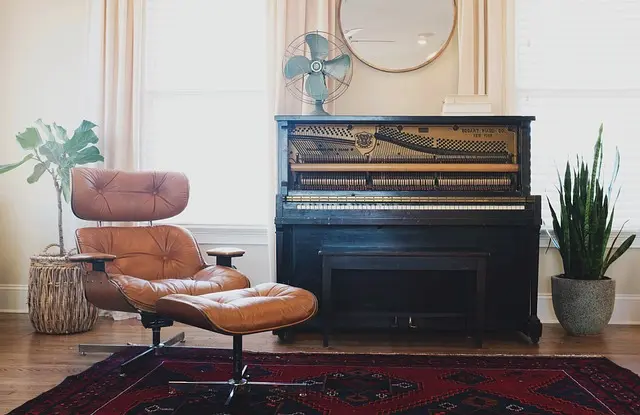
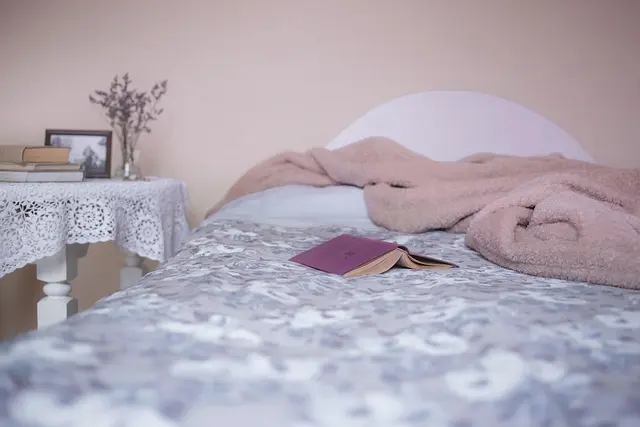
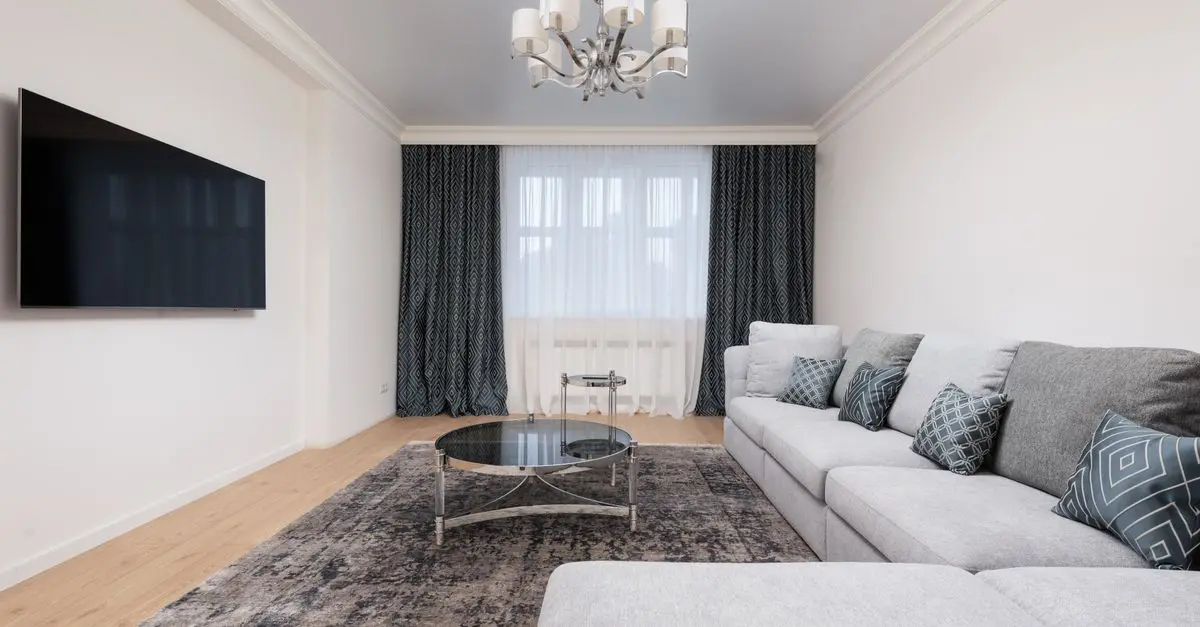
Texture refers to the tactile quality of surfaces in your environment. Whether it's smooth, rough, soft, or hard, texture is an essential element that impacts both the visual and physical sensations we experience in a space. In home decor, texture creates contrast and interest, helping to define the atmosphere and mood of a room. For instance, a room adorned with only sleek, glossy surfaces can feel cold and unwelcoming. In contrast, combining soft textiles with rough wooden elements can foster warmth and comfort.
Here’s a breakdown of the main types of textures you might consider:
- Tactile Texture: This is the physical feel of a surface, such as the softness of a velvet curtain.
- Visual Texture: This refers to the perceived texture in an image or pattern, like a wallpaper design that gives the illusion of fabric.
- Structural Texture: This is concerned with the arrangement of materials, like the unevenness of a brick wall or the smooth finish of a plastered surface.
In essence, incorporating various textures can enhance the dimensionality of your decor, making it visually appealing and engaging.
How to Incorporate Texture Step by Step
Incorporating texture into your home decor can seem daunting, but by following a straightforward approach, you can create a beautifully layered look. Here’s a methodical way to get started:
- Assess Your Space: Take a look around your room. Identify dominant textures already present, such as sleek furniture or soft textiles.
- Choose a Texture Palette: Select 3-5 textures that complement each other. For example, combining leather, wood, fur, and metal can create a striking variety.
- Layer Textures: Start layering your chosen textures. For instance, if you have a leather sofa, consider adding a chunky knit throw blanket and some vibrant fabric cushions.
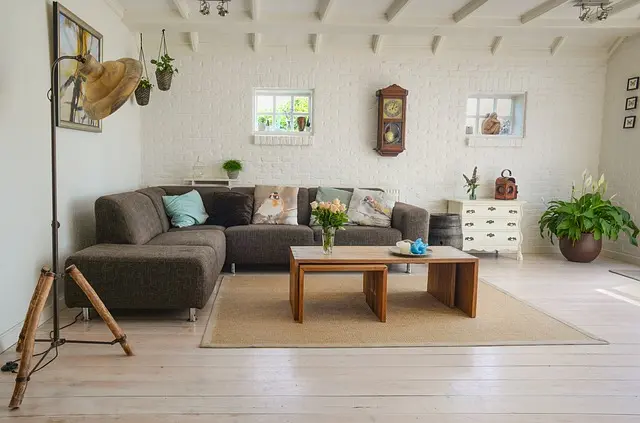
- Use Accessories: Don’t hesitate to use decorative items like vases, art pieces, and rugs that incorporate different textures. A woven basket can introduce warmth while a metallic lamp adds shine.
- Experiment: Don’t be afraid to mix and experiment with unusual textures. The unexpected can often pay off with beautiful results.
During our design consultations, I often advise clients to consider not just the look of an object but also how it feels. For example, a wooden coffee table paired with a smooth marble bowl can provide perfect contrast.
Comparing Textures: Soft vs Hard
Understanding how different textures work together is crucial. Here’s a quick comparison of soft versus hard textures, highlighting their strengths and weaknesses:
| Texture Type | Examples | Strengths | Weaknesses |
|---|---|---|---|
| Soft | Fabrics, rugs | Comfort, warmth, coziness | Can appear casual or unkempt |
| Hard | Wood, stone | Sophistication, durability | Can feel cold or uninviting |
Trends and Statistics in Textures
According to recent surveys, 74% of interior designers recommend varying textures to achieve depth in home decor. Popular trends in 2026 include using natural materials such as bamboo, stone, and organic fabrics, which not only add texture but also promote sustainability. The trend toward eco-friendly materials has been fueled by consumers’ growing awareness of environmental impacts.
Additionally, designers are gravitating towards layered textures that incorporate elements from different styles, such as modern minimalism paired with rustic decorations. This not only provides visual interest but also evokes an integrative style that many homeowners find appealing. Many are also layering various patterns in textiles, which creates more complex visual landscapes in rooms, ensuring that no space feels flat or monotonous.
FAQ about Texture in Home Decor
What are some good textures to start with?
Combining plush fabrics like velvet with hard surfaces like wood and metal often creates an inviting balance.
How do I know if my textural choices work well together?
Experiment with combinations and don’t hesitate to ask for a second opinion from a friend or family member to get feedback.
Can texture affect the mood of a room?
Absolutely! For example, soft textures can evoke calm and relaxation, while hard, sleek surfaces often suggest a more formal or energetic vibe.
Is it too much to mix too many textures?
While it's essential to layer different textures, too many can lead to chaos. Aim for a cohesive look by limiting your palette to 4-5 complementary textures.
Checklist Before Redecorating for Texture
- [ ] Define your current dominant textures
- [ ] Create a texture palette
- [ ] Incorporate at least 3 different textures
- [ ] Balance soft and hard textures
- [ ] Use accessories to enhance texture
- [ ] Seek feedback on your selections
Glossary
| Term | Definition |
|---|---|
| Texture | The physical feel or visual appearance of a surface. |
| Layering | Combining multiple textures for depth and contrast in decor. |
| Tactile | Related to the sense of touch, involving feelings of surfaces. |
📺 Resources Video
> 📺 For further insights: Watch our video on the importance of texture in home decor, a complete guide to enhancing your living space. Search on YouTube: texture in home decor 2026 tips.
💡 Expert Opinion: Incorporating textured elements is not merely about adding interest; it affects how we feel in spaces. Each room's ambiance can be elevated with thoughtful selections of texture, making the environment more engaging and comforting.
By paying attention to the subtle nuances of texture, we can transform our homes into spaces that reflect our personalities while ensuring comfort and style. I encourage you to explore and experiment with textures—your home will thank you! Whether you’re revamping a single room or the entire house, texture could be the key ingredient that makes your decor truly sing.