Table of Contents (10 sections)
Styling shelves is an essential element of home decor that allows you to display your personality and creativity. It’s not just about making a space look good; it’s about creating a visual narrative that reflects who you are. Styling shelves can transform ordinary spaces into stunning showcases that highlight your favorite items and memories. This comprehensive guide will delve into various techniques and tips to help you master the art of shelf styling.
1. Understand the Basics of Shelf Styling
Before diving into the creativity of styling shelves, it’s vital to grasp the basics. The primary goal should be to achieve balance, harmony, and visual appeal. Consider the function of your shelves. Are they purely decorative, or do they serve a practical purpose? Start by determining the theme or vibe you wish to convey—whether it's minimalist, rustic, eclectic, or modern.
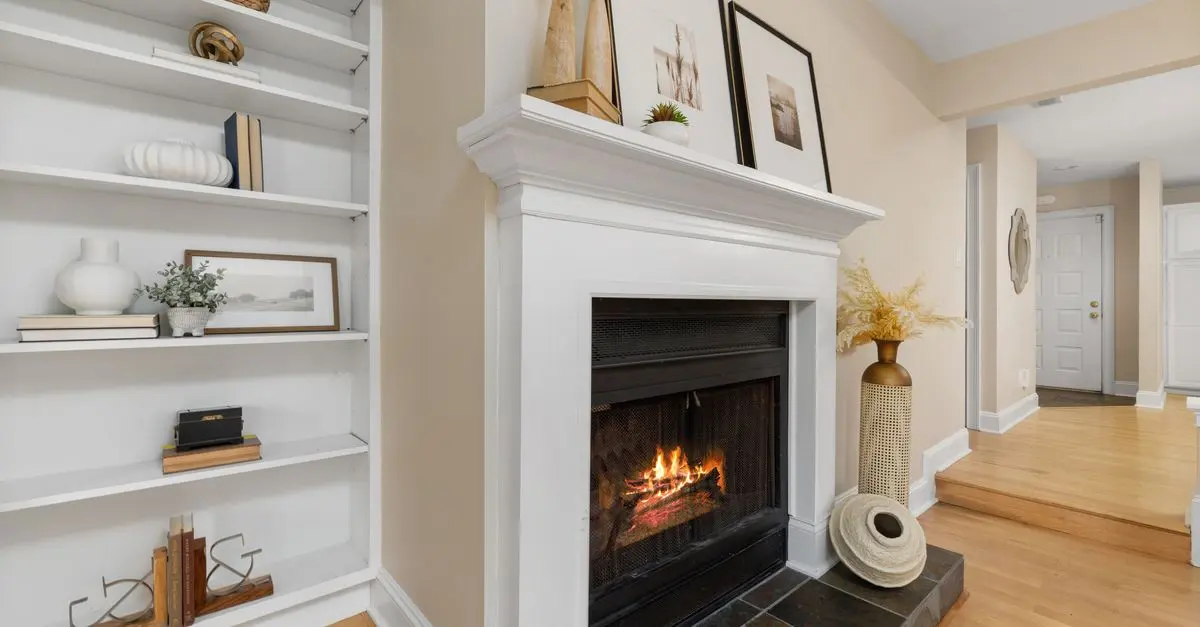
One effective approach is to use the Rule of Three, a design principle suggesting that objects arranged in groups of three are more visually appealing than those grouped in even numbers. This helps create a natural rhythm on the shelf. For instance, you might place a tall vase, a medium-sized book, and a small decorative object together. Experiment with different heights, textures, and colors to create an engaging display.
Furthermore, consider incorporating a variety of materials, such as wood, metal, and glass, to add depth and dimension to your shelf decor. This mix will keep the eye moving and interested in the arrangement. Remember, the goal is not just to fill space but to create a beautiful focal point.
2. Gather Your Favorite Items
The first step in styling shelves effectively is to gather all the items you wish to display. This may include books, decorative objects, plants, photographs, and art pieces. Spend some time collecting these items, ensuring you choose pieces that resonate with you and complement your theme.
For example, if you love traveling, consider displaying souvenirs or photos from your adventures. Alternatively, if you're a book lover, arrange your favorite books alongside decorative items like artisanal bookmarks or vintage globes. This step not only gives you a visual inventory but also helps in understanding what items will work well together.
3. Create a Layout Plan
Next, it's time to create a layout plan. Visualize how your items will fit into the shelf space. Before placing the items, consider sketching a basic layout. You may also want to experiment by laying them out on a flat surface and rearranging them until you find an arrangement that pleases you. Make sure to consider size, shape, and weight when planning your layout.
Start with the larger pieces on the bottom, as they will provide a solid foundation for your display. Layer smaller objects on top or around these larger items for added visual interest. Don’t forget about using the space vertically by stacking books or using risers to elevate smaller items. This layering effect will help create an eye-catching arrangement that draws attention.
4. Incorporate Greenery and Textures
Adding natural elements such as plants or flowers can breathe life into your shelf design. Consider using succulents, flowering plants, or even dried arrangements to add color and texture. Plants not only enhance aesthetic appeal but also improve air quality and bring a touch of nature indoors.
When styling shelves, textures are equally important. Incorporating items made from various materials like ceramics, metal, or fabric can create contrast and interest. For instance, a woven basket can provide a soft touch next to a sleek glass vase, enhancing the overall dynamism of your arrangement.
5. Personalize Your Display
Personalization is key when it comes to shelf styling. Including personal items such as family photos, travel mementos, or art created by loved ones adds a unique touch. This not only tells your story but also sparks conversations when guests see your curated items.
Additionally, consider changing the display seasonally to keep it fresh and relevant. Rotate items based on holidays or seasons, such as adding autumn-themed decor in October or festive ornaments in December. This keeps the shelf dynamic and allows for continual engagement with your space.
6. Maintain Balance and Cohesiveness
While it's tempting to fill every shelf space, maintaining balance and cohesiveness is essential. This can be achieved by ensuring each shelf displays items of varying heights and sizes. A common mistake is overcrowding the shelves, which can lead to a chaotic look. Instead, aim for an aesthetic balance that allows each piece to shine individually while contributing to the overall composition.
An effective way to achieve balance is to step back periodically as you work. This will give you a better perspective on how the items relate to each other and to the shelf as a whole. If you find an area feels too full, consider removing an item or two, preserving a breathing space that highlights your favorites.
7. Review and Adjust
Once you’ve styled your shelves, it's essential to take a step back and review the overall arrangement. Are you satisfied with the visual balance? Does anything feel out of place? Don’t hesitate to adjust the items until you're pleased with the look.
Remember, styling shelves isn't a one-and-done task. You can change the arrangement as your tastes evolve or as you acquire new items. Over time, you will develop a keen eye for what works and what doesn’t.
Checklist for Styling Shelves
- [ ] Decide the purpose and theme of your shelves.
- [ ] Gather and curate your favourite decorative items.
- [ ] Plan and sketch your layout before placing items.
- [ ] Incorporate plants and varied textures for depth.
- [ ] Personalize your display with meaningful objects.
- [ ] Maintain balance and avoid overcrowding.
- [ ] Regularly review and adjust to keep the arrangement fresh.
Glossary
| Term | Definition |
|---|---|
| Rule of Three | A design principle where grouping three items together is visually appealing. |
| Cohesiveness | The quality of the arrangement where all elements work together harmoniously. |
| Layering | The technique of placing objects at different heights to create depth. |
> 📺 To go further: How to Style Your Shelves like a Pro, a comprehensive analysis of shelf decorating tips. Search on YouTube:
shelf styling techniques 2026.
🧠 Quick Quiz: What is the recommended number of items to group for better visual harmony?
- A) 2
- B) 3
- C) 4
Answer: B — Grouping three items creates an effective visual balance.