Table of Contents (9 sections)
Creating an inviting and visually compelling environment in your home can often boil down to one pivotal element: mixing textures in home decor. Textures not only add depth and interest but also evoke emotions and create focal points within spaces. This tutorial will guide you through the comprehensive process of effectively combining different textures to elevate your home's aesthetics.
🛠️ Step 1: Understand the Basics of Texture
Before you dive into combining various textures, it is crucial to understand what texture really is. Texture refers to the surface quality of an object and can be perceived through touch or sight. When it comes to interior decor, textures can be classified broadly into three categories: visual texture, tactile texture, and mixed media texture.
- Visual Texture: This involves the appearance of texture perceived visually. For instance, a photograph of a brick wall gives a visual texture that can affect the overall ambience.
- Tactile Texture: This is the physical feel of a surface when touched. Think of a cozy woolen blanket or a sleek glass table.
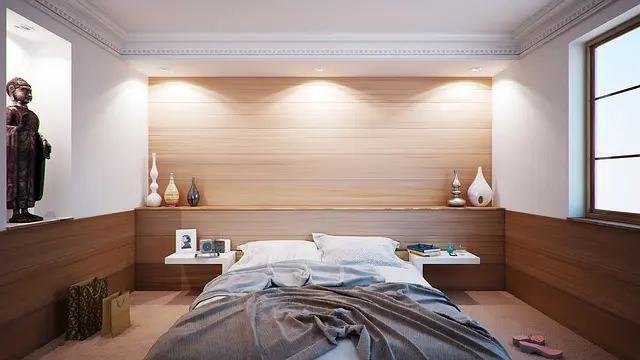
- Mixed Media Texture: This combines various materials—like a metal lamp sitting on a wooden table—to create contrasting surfaces that invite interaction.
Having a clear understanding of these categories will help you choose how to layer and combine textures harmoniously throughout your space. The goal is to create a seamless flow between visual and tactile appearances.
📏 Step 2: Create a Texture Palette
After grasping texture basics, your next step is to build a texture palette. A texture palette involves selecting different textures that can aesthetically coexist yet offer variety
Here's a simple yet effective way to create one:
- Choose a Primary Texture: This will act as the main foundation for your decor. For example, if your base is soft cotton, it sets a warm tone.
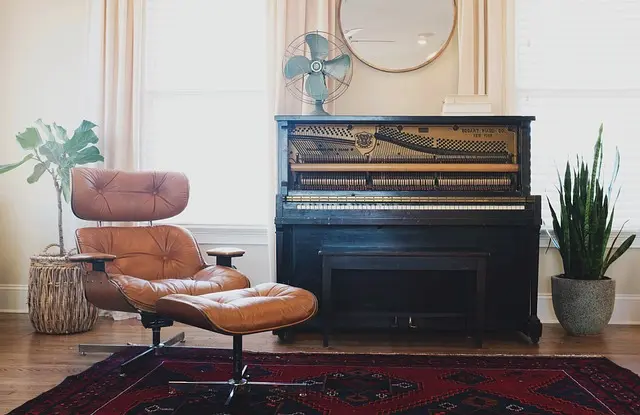
- Add Complementary Textures: Build around your primary texture with at least 2-4 additional ones. Think of pairing cotton with leather, wood, and woven materials to create various interactions.
- Consider Color Coordination: Textures look best when their colors complement each other. Earthy tones typically work well together; however, bright clashes can also be effective.
By having a well-curated texture palette, you can ensure that different elements in your space resonate cohesively, allowing them to enrich the living area instead of overwhelming it.
⚙️ Step 3: Layer Textures Thoughtfully
Layering is perhaps the most vital aspect when it comes to mixing textures in home decor. Just like layers of clothing, a room benefits greatly from different layers of materials and textures. Here’s how to effectively layer in your space:
- Start from the floor up: Use rugs with interesting patterns or textures to redefine spaces. For instance, a shaggy rug can warm up a sleek wooden floor.
- Mix Large and Small Textures: Create balance in visuals by combining larger textures like a chunky knit throw with smaller ones, such as woven pillows. This juxtaposition often creates depth.
- Utilize Heights: Anchoring textural elements at different heights adds dimension. You might have tall wooden shelves, a low-slung leather ottoman, and wall-hung art with fabric.
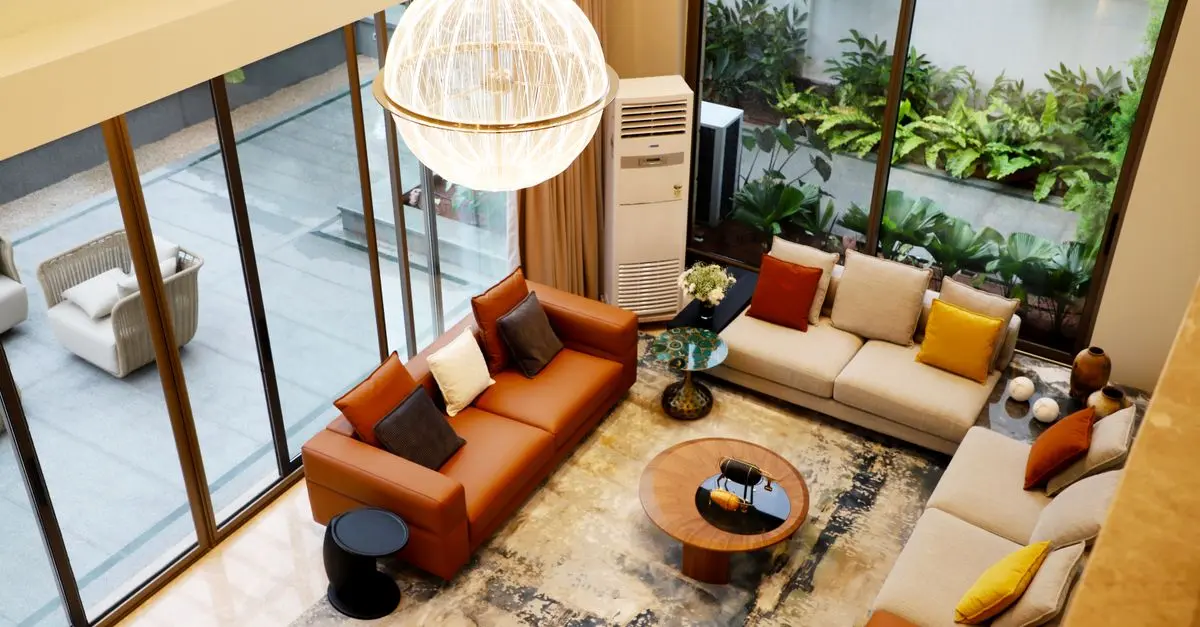
- Be Mindful of Scale: Pair larger furniture items with smaller decorative pieces to maintain harmony. If you have an oversized sofa, accent it with smaller, varied textured cushions.
Use these strategies to weave textures within the same layer or across various planes, far enhancing the depth of your decor.
📺 Resource Video
> 📺 For further insights: Explore how mixing textures can transform your home, a detailed step-by-step guide. Look for: how to mix textures in home decor.
⚖️ Step 4: Define with Patterns
Patterns can dramatically increase visual interest in a space, but they are also a key player in texturing. Here’s how to merge patterns and textures:
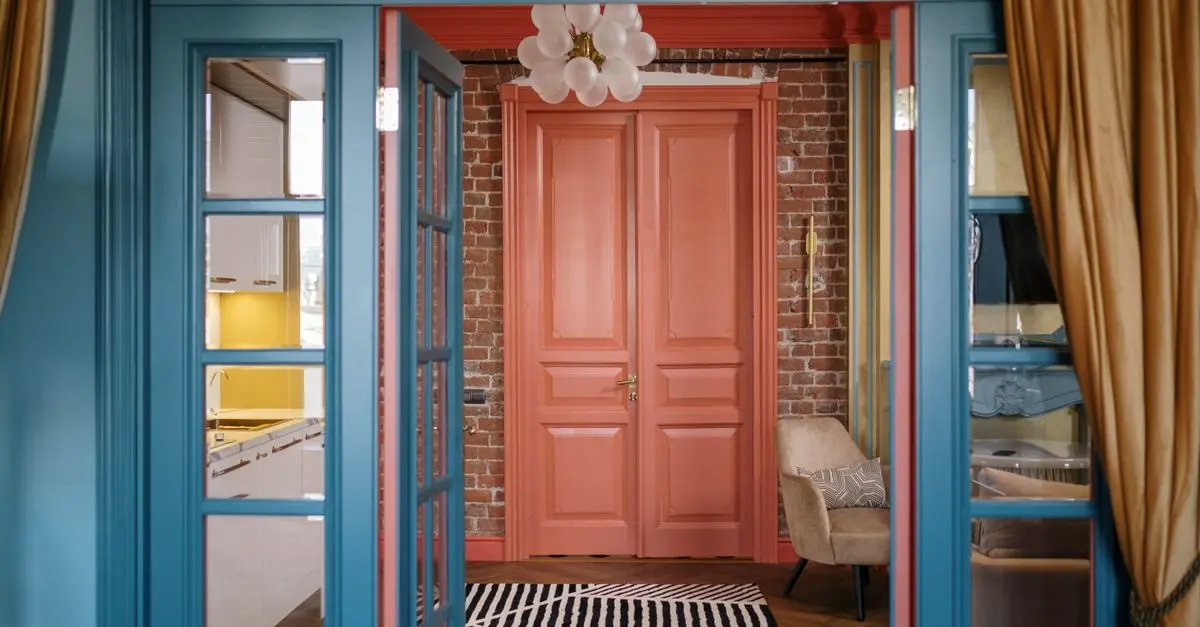
- Avoid clashing patterns: Combine a bold striped textile with a simpler one, like solid color materials that balance out the drama.
- Coordinate Colors: Ensure that the colors in your patterns align with your color palette to keep the design unified.
- Vary Pattern Sizes: Pair large patterns with smaller ones to create visual harmony. Experiment with floral prints on your curtains against geometric prints on throw pillows.
- Use Patterns Generously: Don’t shy away from incorporating patterns; just maintain a discerning balance, checking that they don’t overpower the textures.
Through prudent pattern integration, you can define sections of your space dynamically while keeping textures flowing seamlessly.
💼 Step 5: Avoid Common Mistakes
Even expert decorators may stumble upon obstacles when mixing textures. Here are some common pitfalls to watch out for:
- Over-Mixing: Too many different textures can conflict and drown the eye. Select a few key textures to maintain focus.
- Ignoring Scale: Ensure proportional balances within your decor choices, as mismatched scales can prevent a well-pulled together look.
- Neglecting the Environment: Be aware of your room's characteristics. A tiny room may feel cramped with heavy textures, while large spaces can accommodate bolder choices.
- Forgetting the Harmony: Always keep the chosen color palette in consideration; colors should complement to create cohesive designs.
With this understanding, your blend of textures can lead to a collective atmosphere that feels deliberate and thoughtful.
Checklist before Mixing Textures
- [ ] Establish primary texture for the base.
- [ ] Choose complementary textures.
- [ ] Layer textures from floor to top.
- [ ] Pair visual and tactile elements.
- [ ] Avoid over-mixing patterns.
Glossary
| Term | Definition |
|---|---|
| Texture | The surface quality of an object perceived through touch or sight. |
| Layering | The process of combining multiple textures to create visual interest in decor. |
| Palette | A selection of color and texture choices used to unify decor design. |
> 🧠 Quick Quiz: What is essential to achieve balance when mixing textures?
> - A) Using only one texture type
> - B) Applying various textures of different scales
> - C) Ignoring shapes and colors
> Answer: B — Mixing different scales of textures creates a rich visual experience.
In conclusion, mixing textures in home decor can entirely transform your living space, adding layers that create depth and engagement. By following the structured steps outlined, you can approach your interior design with confidence and creativity, making your home a unique reflection of your personality. Let your imagination guide you, and transform your living space with texture!
📺 Pour aller plus loin : how to mix textures in home decor sur YouTube