Table of Contents (9 sections)
Creating a warm and inviting atmosphere in your home is often about the details, and one of the most effective techniques is layering textures in home decor. This method not only enriches the visual appeal of any room but also enhances the tactile experience. By understanding various materials and how they work together, you can transform your living space into a sanctuary filled with personality and comfort. In this tutorial, we'll dive into the steps you can take to successfully layer textures in your home.
1. Understanding Texture and Its Importance
What is Texture in Home Decor?
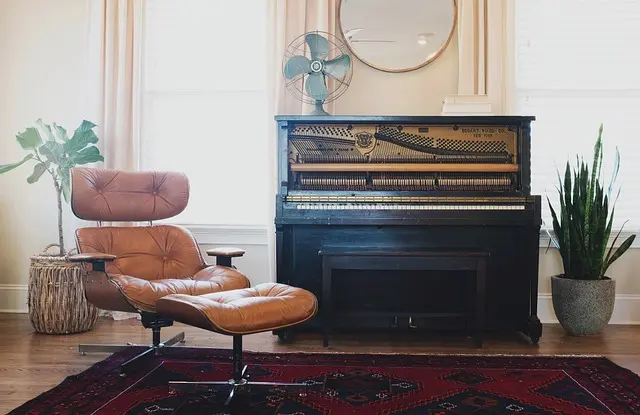
Texture refers to the surface quality of materials used in your home decor. It can be tactile (how it feels) or visual (how it looks). Incorporating different textures adds depth and interest to your home. For example, a sleek leather sofa paired with a chunky knit throw can create a beautiful contrast.
Why is Layering Textures Important?
Layering textures creates warmth and richness in a space. It prevents a room from feeling flat or monotonous. According to data from UFC-Que Choisir, homes that effectively use textural variety often feel more welcoming and lived-in. Fusing various textures like wood, metal, glass, and fabrics allows for a dynamic visual flow that encourages interaction and comfort among residents and guests alike.
2. Choosing Your Base Textures
Before you begin layering textures, start by selecting your base materials. Key Base Textures include:
- Soft Fabrics: Items such as cotton, linen, or velvet can serve as initial layers on your sofas, cushions, and bedding.
- Hard Materials: Consider wooden furniture or metal accents, which add contrast to the softness of textiles.
- Natural Elements: Incorporate items like stone or wicker that connect with nature.
When choosing your base textures, think about the mood you want to create. For a relaxed vibe, select warm, soft fabrics. For a more upscale atmosphere, opt for polished, cool materials. In general, the right base textures will set the tone for your entire decor.
3. Building Layers: How to Proceed
Now that you have your base textures in place, it's time to start layering. Here’s a step-by-step process:
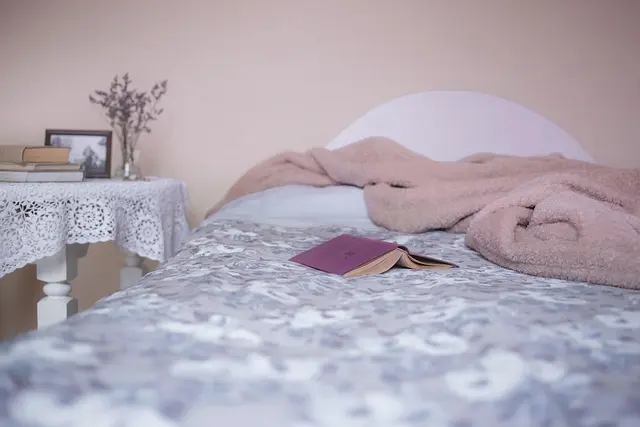
- Start with a Foundation: Begin with larger pieces of furniture. For example, place a sofa or bed with soft, neutral upholstery as the foundation.
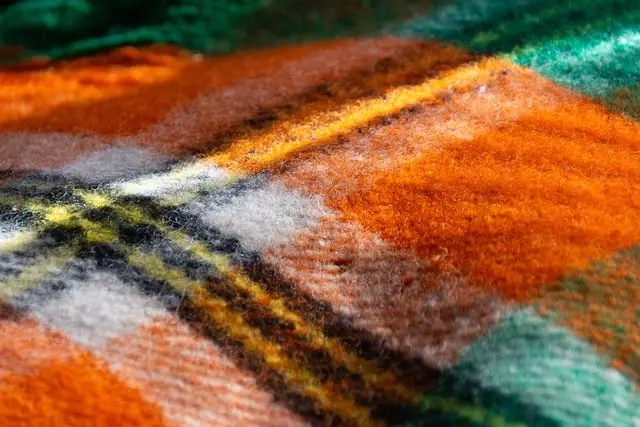
- Add Layers Gradually: Introduce additional textures gradually. A luxury blanket over the sofa, an array of cushions in varying fabrics (think wool, satin, and cotton), or a decorative throw can provide softness and invite relaxation.
- Balance Your Elements: Ensure that heavier textures, like leather or velvet, are balanced with lighter ones, such as linen or cotton. The goal is to avoid overwhelming the space.
- Incorporate Accessories: Don’t forget the little details! Items like intricate rugs, textured wall hangings, or layered curtains can add complexity to your decor.
By understanding each piece's role in the overall design, you can create a harmonious balance of textures that enhances the feeling of the room.
4. Common Mistakes to Avoid
While layering textures can elevate your decor, there are common pitfalls you should avoid:
- Overdoing It: Too many textures can make a room chaotic. Stick to three or four key textures to maintain balance.
- Ignoring Scale: Ensure that the scale of your textures complements the size of your furniture and space. A large jute rug might overwhelm a small room.
- Neglecting Color Palettes: While mixing textures is crucial, don't forget to consider your color palette. Mismatched colors can create disarray.
By recognizing these mistakes, you can better prepare yourself to layer textures effectively without compromising visual harmony.
5. Practical Tips for Layering Textures
To successfully layer textures in your home decor, consider the following expert tips:
- Mix and Match Wisely: Combining unexpected textures can lead to unique aesthetics. For example, pairing distressed wood with sleek metals can create an appealing contrast.
- Use a Checklist: A checklist can help ensure that you maintain balance and cohesion. Focus on layering through furniture, fabrics, and accessories.
- Keep Personalization in Mind: The best decor reflects your personal tastes and experiences. Incorporate items that have meaning to you, such as a handmade basket or heirloom fabric.
For example, if you had a unique travel experience where you acquired an artisanal bowl, juxtaposing this with smooth ceramics on a textured serving tray can tell a story while enhancing your home decor.
📺 For Further Exploration:
Discover unique ways to layer textures in home decor! Search on YouTube: "how to layer textures in interior design".
Checklist Before You Begin
- [ ] Select base textures.
- [ ] Introduce secondary textures gradually.
- [ ] Ensure a variety of scale and color.
- [ ] Keep an eye on balance to avoid chaos.
- [ ] Incorporate personal items for uniqueness.
Glossaire
| Terme | Définition |
|---|---|
| Texture | La qualité de surface des matériaux utilisés en décoration. |
| Layering | L'art d'ajouter plusieurs niveaux de matériau ou design dans un espace. |
| Base Textures | Les principaux matériaux sur lesquels on construit le décor. |
> 🧠 Quiz rapide : What is the most important aspect of layering textures?
> - A) Variety of colors
> - B) Balance of materials
> - C) None of the above
> Réponse : B — Balance of materials creates harmony and depth in decor.
By following these guidelines, you'll master the art of layering textures in your home decor, making your living spaces not just beautiful but also warm and inviting. Don't hesitate to experiment and see what works best for your style. Happy decorating!
📺 Pour aller plus loin : how to layer textures in interior design sur YouTube