Table of Contents (10 sections)
In recent years, the push for sustainability has influenced not only how we consume but also how we decorate our homes. Eco-friendly decor trends are not just a passing phase; they reflect a deeper commitment to environmental responsibility while enhancing the beauty of our interiors. As we embrace 2026, let’s explore five must-try trends that blend style with sustainability.
1. Upcycled Furniture: The Beauty of Reinvention
Upcycled furniture is gaining traction as both an eco-friendly and aesthetically pleasing solution for home decor. This trend involves taking old, discarded furniture and giving it a new life through creative modifications. For instance, transforming an old bookshelf into a stylish bar cart or reupholstering a vintage chair with sustainable fabric not only reduces waste but also adds a personalized touch to your space.
Statistics indicate that furniture waste accounts for a significant percentage of landfill volume. According to the EPA, over 9.8 million tons of furniture is discarded annually in the United States. By opting for upcycled pieces, you’re not only making a fashion statement but also contributing to waste reduction. Additionally, numerous brands now focus on upcycling materials, integrating them into contemporary designs.
In 2026, we predict upcycled furniture will transition from being a niche market into the mainstream, with more retailers offering curated collections that highlight the uniqueness of each piece. The beauty of this trend lies in its variability—each upcycled item tells its own story, making your home a canvas of creativity and sustainability.
2. Biophilic Design: Bringing Nature Indoors
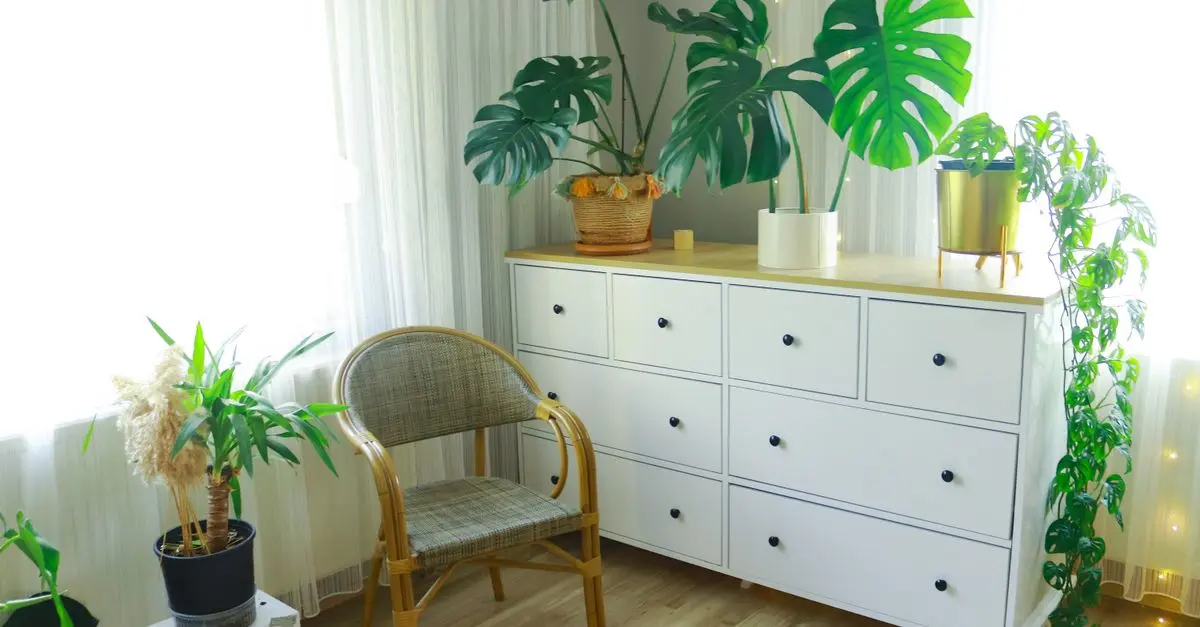
Biophilic design emphasizes the connection between human beings and nature, ultimately enhancing well-being. This trend incorporates natural elements into decor, including plants, natural light, and organic materials. In 2026, we see this trend continuing to flourish as people increasingly recognize the mental and physical health benefits of natural environments.
Studies suggest that exposure to nature can reduce stress and improve mood. A report from Harvard University highlights that individuals with greenery in their environment experience lower cortisol levels and enhanced cognitive function. As more homeowners seek to create tranquil spaces, integrating indoor plants like snake plants or pothos has become a popular choice. These plants are easy to maintain and contribute positively to air quality.
Furthermore, materials such as reclaimed wood, stone, and bamboo resonate with this trend. By selecting furnishings and decorations that reflect the textures and colors of the natural world, you can create a calming oasis within your home.
Uplifted Trends Breathable Zero Pressure Cervical Neck Pillow Washable TPE Latex Support For Neck Pain Relief no Pillowcase
inspireuplift.com
3. Sustainable Textiles: Comfort meets Responsibility
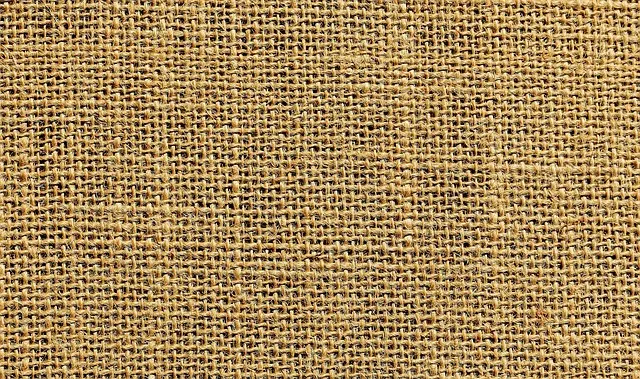
Textiles play a critical role in home decor, and the shift toward sustainable textiles is a significant trend in 2026. Materials like organic cotton, linen, and recycled polyester are becoming more mainstream as consumers become aware of the environmental impact of conventional textile production.
The global textile industry is responsible for about 10% of carbon emissions, according to the UN Environment Programme. By choosing sustainable textiles, homeowners can significantly reduce their ecological footprint. Many brands are innovating with textiles made from reclaimed materials, offering options ranging from rugs to upholstery that not only look good but are also eco-conscious.
In addition, the rise of fair trade practices ensures that the materials sourced are not only sustainable but also ethically produced. Investing in these textiles fosters a positive impact on both the environment and social equality, making your choice a double win.
4. Minimalist Aesthetics: Less is More
In 2026, the principle of minimalism remains central to eco-friendly decor. This trend encourages a decluttered lifestyle, focusing on quality over quantity. By strategically selecting a few key pieces that serve multiple functions, you not only save space but also reduce the resources consumed for production.
Minimalism is about creating a serene environment that fosters mindfulness. Fewer items mean less waste and easy maintenance—two essential aspects of sustainability. For example, multifunctional furniture, such as a stylish daybed that can serve as a couch by day and a bed by night, exemplifies the minimalist trend and promotes a more sustainable lifestyle.
Moreover, a minimalist approach leads to decreased purchase frequency, ultimately contributing to less manufacturing waste. As consumers become increasingly conscious about their impacts on the planet, this trend will likely expand into more homes.
5. Smart Home Technology: Energy Efficiency at Its Best
As technology evolves, so does its integration into home decor. The rise of smart home technology in 2026 is impacting eco-friendly decor by promoting energy efficiency and sustainability. From smart thermostats to LED lighting systems, innovations allow homeowners to monitor and adjust their energy consumption with ease.
Research from Energy Star indicates that households can save up to 15% on energy bills by utilizing smart technology. Additionally, features like automated window shades can optimize natural light throughout the day, reducing the need for artificial lighting.
Incorporating smart technology into your decor not only aids in reducing energy wastage but also offers convenience. As consumers prioritize sustainability, the demand for smart devices in home decor will continue to rise, paving the way for a smarter, more efficient way to enjoy our spaces.
📺 Resource Video
> [Sustainable Home Decor Ideas for 2026], an in-depth analysis of the latest eco-friendly trends. Search for “2026 eco-friendly decor trends” on YouTube.
Glossary
| Term | Definition |
|---|---|
| Upcycling | The process of transforming old or discarded materials into new products of higher quality. |
| Biophilic Design | An approach to architecture that seeks to connect occupants more closely to nature. |
| Sustainable Textiles | Fabrics that are produced in an environmentally-friendly manner, utilizing eco-conscious materials. |
---
Checklist before purchase
- [ ] Research sustainable materials for furniture
- [ ] Consider the lifecycle of products
- [ ] Explore upcycling options for decor
- [ ] Evaluate smart home technologies for energy savings
- [ ] Prioritize local suppliers for sourcing materials
We hope these trends inspire you to create a more sustainable and stylish home in 2026. For further inspiration, discover our product recommendations below!
📺 Pour aller plus loin : 2026 eco-friendly decor trends sur YouTube
Recommended products
Selected by our experts
Uplifted Trends Breathable Zero Pressure Cervical Neck Pillow Washable TPE Latex Support For Neck Pain Relief no Pillowcase
inspireuplift.com
This neck pillow offers comfort while supporting sustainable practices in its materials and production.