Table of Contents (10 sections)
Choosing the right color palette for your home can transform your space into a harmonious and inviting environment. In 2026, interior design trends emphasize the importance of a well-coordinated color scheme that reflects personal style while ensuring that the various elements of a room blend beautifully. This guide will walk you through the steps to select a color palette that ties your home together and brings out the best in your furnishings and decor.
1. Understanding Color Theory
Before diving into selecting a color palette for your home, it’s essential to familiarize yourself with color theory. This includes understanding primary, secondary, and tertiary colors, as well as concepts like complementary, analogous, and monochromatic color schemes. The color wheel is a valuable tool that visually represents these relationships and can aid in selecting colors that work well together.
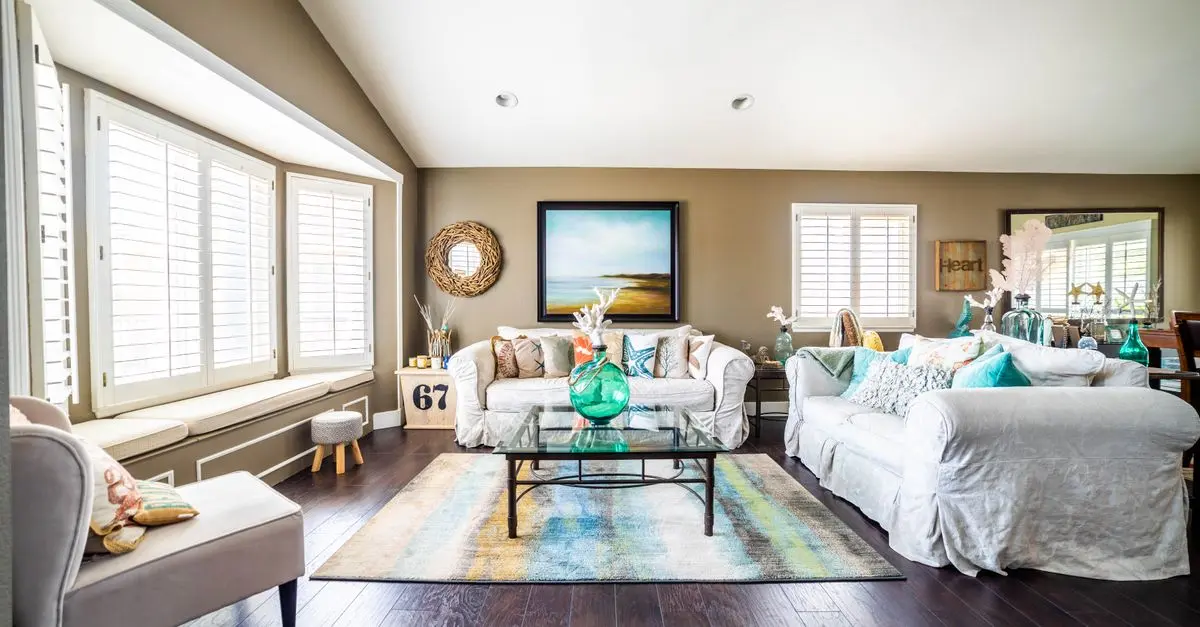
Using complementary colors will make specific features of your room pop, while analogous colors provide a more serene, cohesive look. For instance, pairing blue with green can create a calm waterfront vibe, suitable for a bedroom or living space. Conversely, if you're aiming for a vibrant kitchen, think about combining red and yellow accents to stimulate energy and appetite.
When considering color theory, also take note of the psychological effects colors can have. For example, blues are often calming and represent tranquility, while yellows can evoke feelings of cheerfulness. Understanding these associations can guide you in making choices that affect how spaces feel.
2. Assessing Your Space
Next, assess your space to determine how different colors will interact with it. This involves considering the lighting in your home, which can dramatically change how colors appear at different times of the day. Natural light brings out the true vibrancy of paint colors, while artificial light can create a warm or cool glow that alters your perception of color.
Start by observing how much sunlight each room receives. A north-facing room may require lighter shades to prevent it from feeling too dark and moody, while a south-facing room might afford deeper, richer colors. It may help to paint swatches on the wall and observe them under different lighting conditions at various times of the day. This practical approach ensures that the colors you choose will look their best in your specific setting.
3. Defining Your Style
Your personal style plays a vital role in selecting a color palette. Are you drawn to modern aesthetics filled with sleek lines and minimalistic choices? Or do you prefer a cozy, rustic vibe with warm earth tones? Creating a mood board with images from magazines or social media can clarify your preferences and inspire new ideas.
For instance, if you love bohemian style, you might choose a color palette that includes earthy tones with pops of vibrant gold or teal. Alternatively, a modern palette may consist of grays, whites, and blacks, accented with occasional splashes of bright color. The key is to select colors that resonate with you and represent the atmosphere you wish to create.
4. Creating a Cohesive Scheme
Once you've gathered inspiration and defined your style, it’s time to create a cohesive color scheme. Start with a base color that you plan to use for the largest areas in your home, such as the walls, and then choose 2-3 accent colors for trim, furniture, and decor. Stickers and paint samples can be invaluable in visualizing how your chosen scheme will look once applied.
Try to limit your palette to 4-5 colors to avoid overwhelming the space or creating a disjointed feel. A simple rule is to adopt the 60-30-10 formula: 60% is your dominant color (usually found on walls), 30% on play with fabrics (like upholstery or drapes), and the remaining 10% should include accent colors (like accessories or art).
5. Testing and Finalizing
Before finalizing your decision, it’s advisable to test the colors in the actual spaces. Purchase sample pots of your chosen colors and apply patches to the walls. Observe these colors in different lighting and at different times of day. Consider how the colors affect the overall mood of the spaces, and whether they coordinate well with your existing furniture and fixtures.
Consult with family members or friends during the selection process to gather feedback. Sometimes, a second opinion can highlight aspects you might have overlooked. When you're satisfied with the test results, make your final selections and prepare for a makeover!
Checklist before selecting a color palette
- [ ] Study color theory basics
- [ ] Assess the lighting in each room
- [ ] Define your personal style
- [ ] Create a cohesive color scheme using 4-5 colors
- [ ] Test the selected colors in real light conditions
📺 Resource Video
> 📺 For further insight: How to Choose the Right Colors for Your Home, an informative guide to color schemes and style choices. Search on YouTube: "how to choose a color palette for your home".
Glossary
| Term | Definition |
|---|---|
| Color Theory | A set of principles used to understand how colors interact and complement each other. |
| Color Wheel | A circular diagram that represents the relationships between colors. |
| Cohesive Scheme | A color selection that combines compatible colors for a unified look. |
Quiz rapide
> 🧠 Quick Quiz: Which color scheme is best for creating a calm bedroom?
> - A) Red and Yellow
> - B) Blue and Green
> - C) Black and Grey
> Réponse : B — Blue and green are known for their calming effects, ideal for a restful space.