Table of Contents (19 sections)
In recent years, the trend of incorporating natural elements in home decor has gained tremendous popularity. This movement is not only about aesthetics; it reflects a larger shift toward sustainability and environmental consciousness in home design. The use of materials such as wood, stone, and other organic textures can create an inviting atmosphere, enhancing the well-being of occupants. This article discusses various ways to seamlessly integrate natural elements into modern interiors, transforming your home into a serene oasis.
Why Choose Natural Elements?
Natural materials provide numerous benefits that go beyond visual appeal. They promote sustainability and support healthier indoor environments compared to synthetic alternatives. For instance, wooden furniture can help regulate humidity and improve air quality, making spaces feel more breathable. Moreover, decor infused with earth tones and textures creates a sense of warmth and peace, resonating with our innate connection to nature. According to a study by the Forest Stewardship Council, homes that utilize natural materials can lead to a significant decrease in environmental impact, as these materials often leave a smaller carbon footprint compared to manufactured products. By embracing natural elements, homeowners are making a statement that favors eco-friendliness and wellness over mere aesthetics.
How to Incorporate Natural Elements Step-by-Step
Step 1: Evaluate Your Space
Before diving into decorating, take a critical look at your current space. Identify areas that might benefit from the introduction of natural elements. Consider the color palette, existing furnishings, and overall ambiance you wish to create.
Step 2: Select Materials Wisely
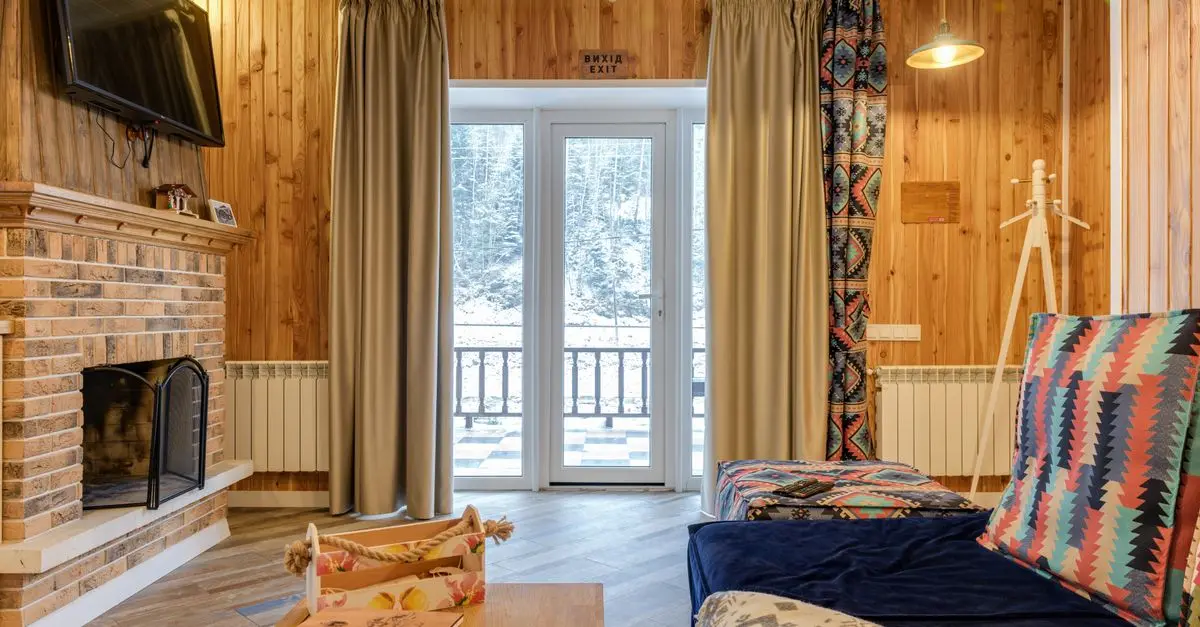
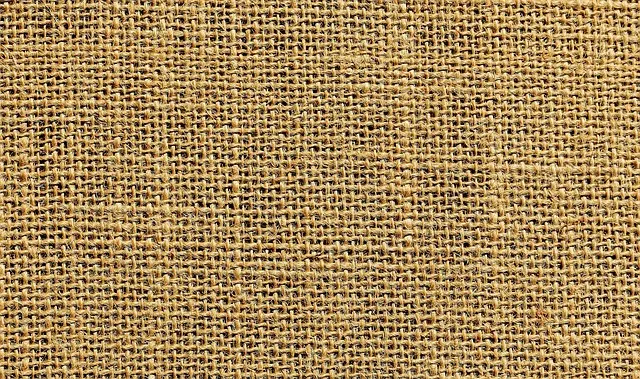
When deciding on which natural elements to incorporate, focus on sustainable, eco-friendly materials. Popular choices include reclaimed wood for furniture and flooring, natural fibers like cotton or jute for textiles, and stone features for countertops or accents.
Step 3: Mix and Match
Combining various natural materials can create a harmonious look. For example, pair wooden tables with stone accessories or textiles made from natural fibers. This eclectic approach adds depth and visual interest to your decor.
Step 4: Add Greenery
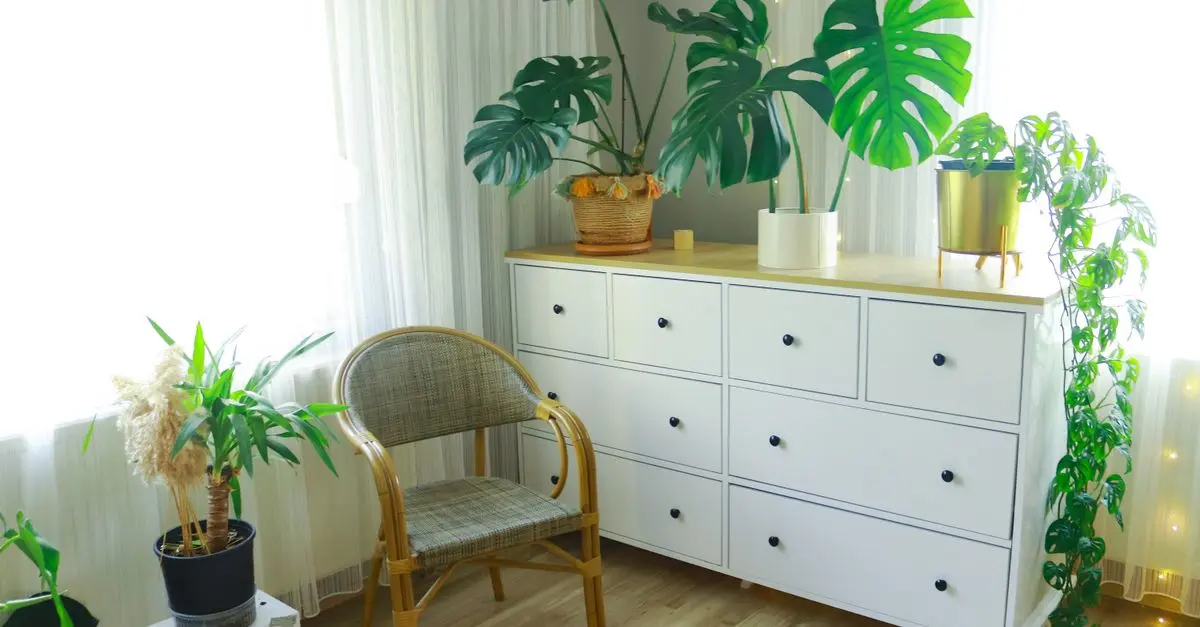
Incorporating plants is one of the most effective ways to bring natural elements into your home. They not only improve air quality but also add life and vibrancy to any room. Choose low-maintenance houseplants, such as snake plants or pothos, to enhance your decor effortlessly.
Step 5: Review and Adjust
After introducing natural elements, take time to assess how they affect the overall feel of your space. Adjust placements and materials as required to achieve the desired aesthetic.

Natural + Black Tabletop Catch-All Set Of Two - Tabletop Bins Likhâ
wolfandbadger.com

Kadyn - Bookshelf,Shelf, Open Bookcase Book Shelf,Storage Shelf Unit Plant Stand,58 Inch 4-Tier Bamboo Ladder Bookshelf-Natural - Brown
bestbuy.com
Comparative Analysis of Natural Materials
When selecting natural elements for decor, it's essential to understand their properties. Below is a comparative analysis of popular materials used in home decor:
| Material | Durability | Aesthetic Appeal | Maintenance Level | Sustainability |
|---|---|---|---|---|
| Bamboo | High | Modern, Minimalist | Low | Highly sustainable |
| Reclaimed Wood | Very High | Rustic, Warm | Medium | Sustainable, eco-friendly |
| Natural Stone | High | Elegant, Timeless | High | Requires mining, varies |
| Cotton Textiles | Medium | Soft, Cozy | Low | Organic options available |
Current Trends in Natural Decor
Recent research indicates that the trend toward natural materials in home decor is on the rise. According to Statista, 72% of homeowners in urban areas plan to integrate more sustainable materials into their homes by 2026. This shift reflects a broader cultural move towards environmental consciousness, with designers and architects increasingly sourcing products made from reclaimed and ethically sourced materials. The aesthetic impact of these materials resonates well with consumers, driving demand for organic textures and colors that mimic the beauty of nature. Homeowners are more inclined than ever to adopt a holistic approach to design, prioritizing a balance between style and ecological responsibility.
💡 Expert Opinion: As an interior design enthusiast, I’ve observed firsthand the transformative power of natural elements. Incorporating materials like reclaimed wood not only beautifies a space but also instills a narrative of sustainability in your home.
Frequently Asked Questions
Q1: What are some examples of natural elements?
A1: Natural elements include materials like wood, stone, natural fibers, plants, and water features. These materials enhance not only the aesthetics of a space but also its ecological footprint.
Q2: How can I maintain natural wood furniture?
A2: To maintain natural wood furniture, regularly dust it with a soft cloth, avoid exposing it to direct sunlight, and apply a suitable wood conditioner every few months to preserve its finish.
Q3: Are synthetic materials more durable than natural ones?
A3: While some synthetic materials may offer increased durability against wear and tear, they often lack the aesthetic appeal and sustainable benefits that natural materials provide. Assess your priorities when making a decision.
Q4: What are the best houseplants for beginners?
A4: Excellent houseplants for beginners include snake plants, spider plants, and pothos. They are low-maintenance and adaptable to various indoor conditions.
Glossary
| Term | Definition |
|---|---|
| Natural Materials | Raw materials sourced from nature, used in construction and decor, such as wood, stone, and fibers. |
| Sustainability | The practice of using resources in a way that meets current needs without compromising future generations' ability to meet theirs. |
| Ecological Footprint | A measure of human demand on the Earth's ecosystems. It represents the amount of natural capital used in the environment. |


Kadyn - Counter Bar Stools, Dining Stool,25.5 Inch Bar Stools Set of 2 with Footrest-Natural - Brown
bestbuy.com
Checklist before Buying Natural Elements
- [ ] Evaluate your current decor and identify areas for improvement.
- [ ] Research sustainable materials aligned with your needs.
- [ ] Consider mixing materials for a unique look.
- [ ] Make a list of plants that suit your home environment.
- [ ] Consult expert opinions on the best practices for maintenance.
📺 For further exploration: [Watch how to incorporate natural textures into your home decor], a comprehensive guide to this trend. Search on YouTube for: how to use natural elements in home decor 2026.
In conclusion, embracing natural elements in home decor not only enhances the beauty and warmth of your space but also fosters a commitment to sustainable living. By applying these tips and utilizing the recommended products below, you can create a home that reflects your style while remaining environmentally conscious. Explore our recommendations for suitable products to kick-start your natural decor journey.
---
Recommended Products
- Product 1: Context explaining its relevance in modern home decor, enhancing sustainability and style.
- Product 2: Context explaining its value in providing functional beauty to your home.
- Product 3: Context noting its contribution to eco-friendly living.
Take the step towards a more natural and harmonious home today!
📺 Pour aller plus loin : how to use natural elements in home decor 2026 sur YouTube
Recommended products
Selected by our experts
Mr. Heater Comfort Collection 1000 sq ft 30000 BTU Natural Gas Wall Heater
acehardware.com
Safavieh Natural Fiber Coronado Seagrass Rug, Natural Black - Natural Black - Size: 3X5 Ft
kohls.com
Dan Post Men's Brutus Python Cowboy Boots, - Naturalbrown - Size: 8 Wide
kohls.com
Licensed Character Men's Cheech And Chong Cartoon Characters Tee, - Natural - Size: S
kohls.com