Table of Contents (10 sections)
Sustainable decor represents a movement towards conscientious living, combining aesthetics with environmental awareness. It encourages individuals to make mindful choices in their home decor, focusing on sustainability through the materials, processes, and designs used. Imagine adorning your home with products that not only enhance your space but also contribute to a healthier planet. Understanding what sustainable decor is and why it's essential lays the foundation for conscious living.
What Is Sustainable Decor?
Sustainable decor refers to interior design that incorporates materials and methods that have a lower environmental impact. This can include reusing or repurposing furniture, selecting products made from renewable resources, using non-toxic finishes, and supporting sustainable manufacturing practices. Studies have shown that eco-friendly homes can positively affect residents' health and well-being. According to a report from UFC-Que Choisir, sustainable materials can reduce indoor pollution levels, enhancing air quality.
In addition to health benefits, investing in sustainable decor often promotes social responsibility by supporting local artisans and more ethical production processes. The shift towards sustainable decor reflects growing consumer awareness of climate change and environmental degradation.
Step 1: Opt for Eco-Friendly Materials
The first step in creating a sustainable decor scheme is to carefully select your materials. Common sustainable options include bamboo, reclaimed wood, recycled metal, and organic cotton. These materials not only offer unique aesthetics but also significantly lower your carbon footprint. For instance, bamboo grows rapidly, making it an excellent renewable resource.
When choosing furniture, consider items made from reclaimed wood. This type of wood is salvaged from old buildings and repurposed, presenting a rustic charm while minimizing deforestation. To elevate your decor, pair reclaimed wood with organic fabrics—such as TENCEL™ Modal, known for its softness and biodegradable properties. To ensure quality and sustainability, always look for certifications like FSC (Forest Stewardship Council) markings on products, which guarantee responsible sourcing.
Step 2: Embrace Upcycling and Vintage Finds
Upcycling involves transforming discarded items into functional decor, turning waste into art. Not only does this practice keep goods out of landfills, but it also adds character to your home. Begin by exploring thrift stores or flea markets for vintage furniture or decor. Items with a rich history often have a unique charm, enhancing your home’s aesthetic significance.
For example, an old ladder can be repurposed into a chic bookshelf. Similarly, glass jars can be transformed into stylish candle holders or planters. This creative process allows you to showcase your personal style while promoting sustainability. Consider documenting your upcycling projects on social media to inspire others—this raises awareness about eco-friendly practices and builds community.
Step 3: Incorporate Biophilic Design
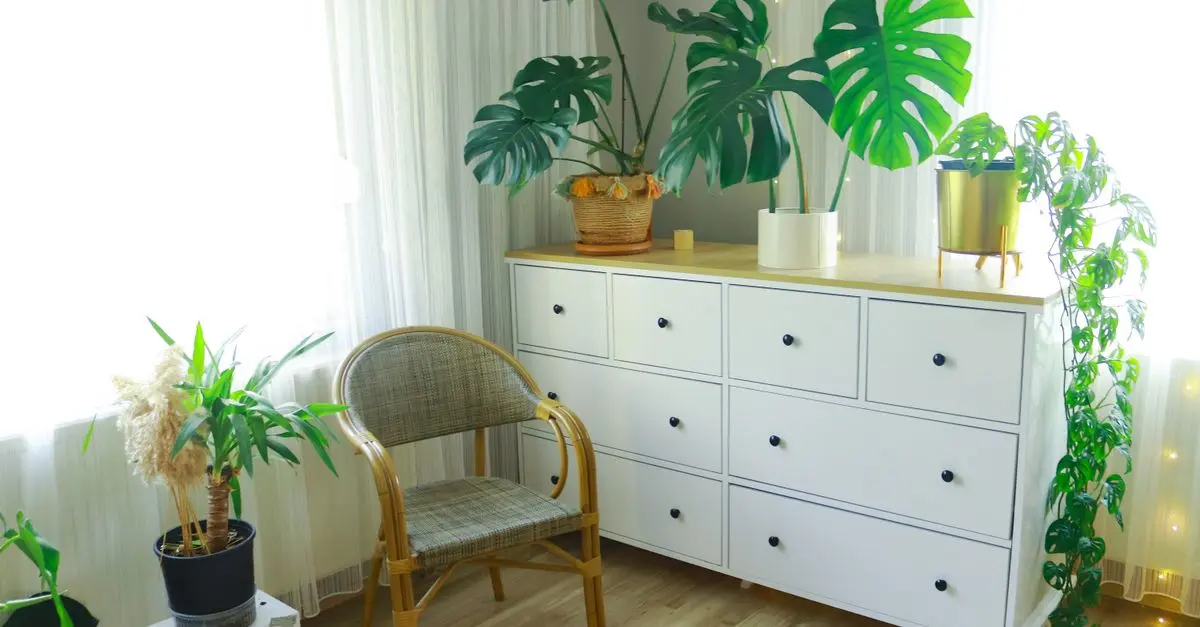
Biophilic design integrates natural elements into home decor, fostering a connection between inhabitants and nature. This approach has shown psychological benefits, such as reduced stress and enhanced well-being. One practical way to implement biophilic design is by adding houseplants. Indoor plants not only purify air but also elevate the aesthetic of your living space. Consider plants like snake plants or spider plants, which are hardy and low maintenance.
In addition to plants, natural light plays a significant role in biophilic design. Maximize sunlight exposure by using sheer curtains instead of heavy drapes. Mirrors can also be strategically placed to reflect light, making the space feel brighter and more open. A study from Les Numériques revealed the mental health benefits associated with exposure to natural environments, emphasizing the importance of incorporating nature indoors.
Step 4: Choose Sustainable Textiles
Textiles can play a crucial role in transforming your home's ambiance. Opt for eco-friendly linens, throws, and cushions made from organic, biodegradable materials. Production processes should also be considered—select textiles dyed with non-toxic dyes and produced in ethical conditions. For example, organic cotton and linen are excellent choices that reduce chemical usage and support sustainable farming practices.
Moreover, consider the lifecycle of your textiles. Purchasing items from brands that offer take-back programs for recycling or reselling can contribute to a circular economy. It’s not just about the impact of materials; how you care for your textiles also matters. Washing with cold water and air drying reduce energy consumption and prolong the lifespan of your items.
Step 5: Create a Functional Spaces with Sustainable Decor
Incorporating sustainable decor doesn’t mean compromising style; rather, it's about creating functional, beautiful spaces. Consider multi-functional furniture, such as a bench that doubles as a storage unit. This conserves space and reduces the need for multiple pieces, promoting a cleaner look while staying eco-friendly. Divide larger rooms into distinct areas using sustainable room dividers like bamboo screens. These not only serve practical purposes but also enhance the room's aesthetic.
In addition to furniture, incorporate sustainable decorative items, such as responsibly sourced artwork or handmade pottery. These items can tell a story, enriching the narrative of your home. Surround yourself with objects that resonate with your values, showcasing your commitment to sustainability.
Checklist for Creating Sustainable Decor
- [ ] Choose eco-friendly materials for furniture and decor
- [ ] Explore upcycling opportunities
- [ ] Incorporate biophilic design elements
- [ ] Opt for sustainable textiles
- [ ] Invest in multi-functional furniture
Checklist before you buy
- [ ] Evaluate the materials used
- [ ] Check for certifications and sources
- [ ] Read reviews on sustainability practices
- [ ] Consider the lifecycle of products
- [ ] Aim for local artisans to reduce carbon footprint
Glossary
| Term | Definition |
|---|---|
| Sustainable Decor | Interior design that minimizes negative environmental impact while maximizing aesthetics. |
| Upcycling | The process of altering or rehabbing old goods to extend their life and usefulness. |
| Biophilic Design | Design that seeks to connect people to nature through natural elements in indoor spaces. |

Best Choice Products 2-Piece Mid-Century Modern Wood &Upholstered Dining Chair Set - Walnut/Navy Blue
bestchoiceproducts.com

📺 Resource Video
> For more ideas: Check out this insightful video on sustainable home decor trends and practical tips. Search on YouTube for: sustainable home decor 2026.
🧠 Quick Quiz: What is the primary benefit of using sustainable decor in your home?
- A) Cost-effectiveness
- B) Improved personal style
- C) Both environmental benefits and increased well-being
Answer: C — Sustainable decor not only enhances style but also promotes a healthier environment.
Let’s embrace a sustainable lifestyle together! Each small adjustment in our decor choices contributes to a more significant change in our environment.
Discover our selected recommendations below to assist you in your sustainable journey.
📺 Pour aller plus loin : sustainable home decor 2026 sur YouTube
Recommended products
Selected by our experts

Eucalypso Home Eucalypso Scalloped Pillowcases (Set of 2) - Whisper Pink and Misty Blue / Standard
eucalypsohome.com

Eucalypso Home Eucalypso Scalloped Pillowcases (Set of 2) - Whisper Pink and Lemon Chiffon / Euro Sham
eucalypsohome.com

Eucalypso Home Eucalypso Scalloped Pillowcases (Set of 2) - Lemon Chiffon and Misty Blue / Standard
eucalypsohome.com

Eucalypso Home Eucalypso Scalloped Pillowcases (Set of 2) - Dew Green and Hampton Green / Standard
eucalypsohome.com
Superior Eco-Friendly Sustainable Cotton 6-Piece Bathroom Towel Set
bedbathandbeyond.com