Table of Contents (17 sections)
Open concept living has become one of the most popular home design trends in recent years. This layout, which removes walls between common living areas, creates a seamless flow of space, fostering interaction and flexibility. But is it right for everyone? In this article, we will analyze the pros and cons of open concept living, allowing homeowners and potential buyers to understand better if this arrangement suits their lifestyles.
What is Open Concept Living?
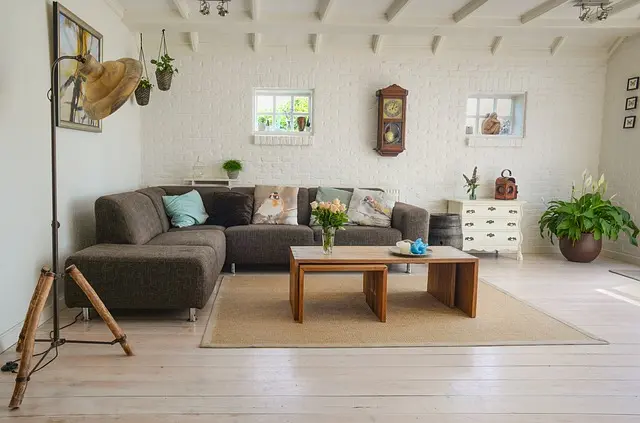
Open concept living refers to architectural designs that merge two or more rooms, typically the kitchen, dining area, and living room, into a unified space. This design concept has its roots in the mid-20th century, gaining traction with the rise of modernism, which emphasized simplicity and open spaces. The main goal of open concept living is to create a more interactive atmosphere, allowing those within the home to engage more freely.
Why Choose Open Concept Living?
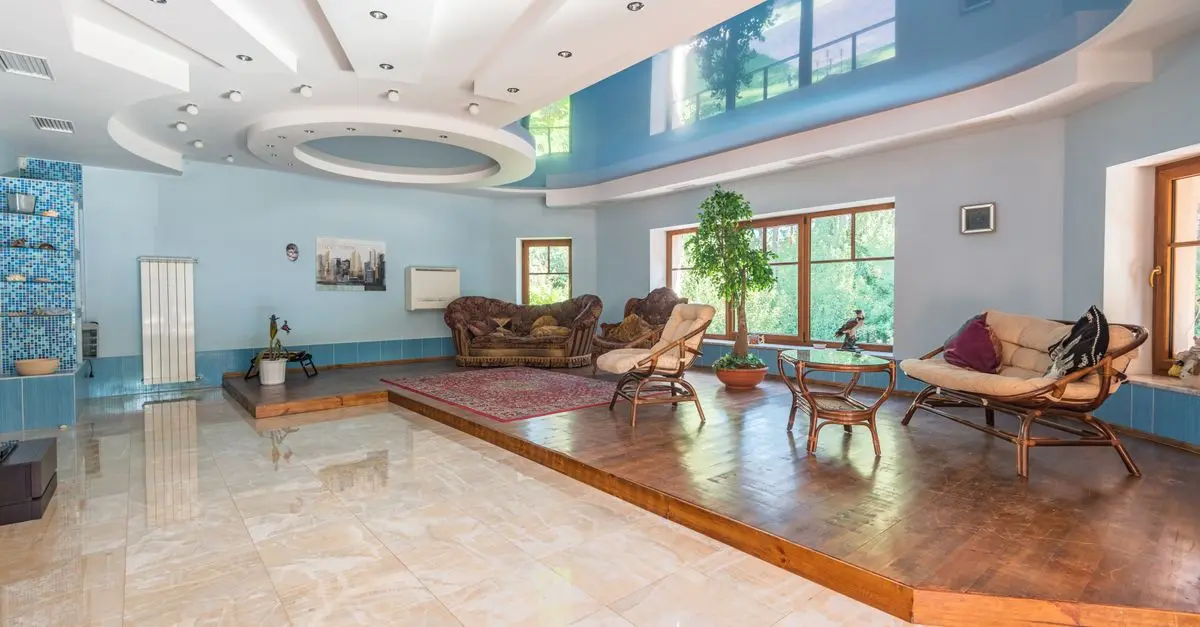
The allure of open concept living stems from its efficiency, aesthetics, and lifestyle benefits. Homeowners often opt for this layout to create a sense of spaciousness in smaller homes, adding fluidity to everyday activities. The lack of walls can bring more natural light into the space, making it feel larger and more inviting. As a result, many families choose open concept designs to accommodate more social gatherings and family interactions, ultimately enhancing the home’s functionality.
The Pros of Open Concept Living
Increased Space and Natural Light
One of the most touted benefits of open concept living is its ability to make spaces feel larger and more connected. By eliminating walls, natural light can flow freely throughout the area, significantly brightening the home. According to the American Institute of Architects, open plan layouts allow for better light dispersion, which can lead to lower electricity usage during the day. This design choice is particularly advantageous in urban homes where space is limited and maximizing every inch is crucial.
Enhanced Social Interaction
Another primary advantage of open concept living is the enhanced interaction it enables among family members and guests. Without walls separating the kitchen from the living area, parents can prepare meals while still keeping an eye on their children playing in the living room. This setup encourages conversation and engagement, making it ideal for social gatherings. A survey by the National Association of Home Builders found that homeowners who prefer open living spaces appreciate the sense of community and connection it provides, often repurposing these areas for entertaining friends and family.
Flexible Design Options
Open concepts allow for more flexibility in how areas can be used and decorated. Homeowners can mix and match furniture styles and adjust layouts based on their preferences and needs. For example, a dining area can transform into a workspace or play area with minimal effort. This adaptability appeals particularly to younger families or those who might have a constantly evolving lifestyle.
The Cons of Open Concept Living
Lack of Privacy
While open concept living has its perks, it can also lead to challenges, notably the loss of privacy. The openness allows sound and activities to flow freely, which might not be ideal for everyone. For families with different schedules or individuals who work from home, the constant noise and lack of separation can be disruptive. According to the American Psychological Association, privacy is a crucial element of personal satisfaction at home; therefore, the absence of distinct rooms can lead to frustrations for some.
Difficulty in Heating and Cooling
Another significant drawback to consider is that open spaces can be harder to heat and cool uniformly. A larger, open area may have climate control issues as it lacks isolated spaces for air circulation. Homeowners may see an increase in energy bills due to inefficient heating and cooling systems as they strive to maintain a comfortable temperature across the expansive area. This aspect can be particularly concerning in regions with extreme weather conditions.
Challenges in Decor and Layout
While the freedom to decorate is a plus, open concept designs can often lack defined boundaries that help guide furniture arrangements. Homeowners may struggle to create cohesive or purposeful layouts without the division of walls, leading to cluttered or chaotic looks. Additionally, selecting a color scheme that works throughout the entire space without seeming disjointed can pose a real decorative challenge. Without proper planning, what could be an inviting area might feel haphazard or overwhelming.
Comparison of Open Concept Living Pros and Cons
| Criteria | Pros | Cons | Verdict |
|---|---|---|---|
| Space | Creates an illusion of spaciousness | Lack of privacy | Great for open spaces but privacy issues. |
| Social Interaction | Enhances family and guest interaction | Can also lead to noise and disruption | Best for social butterflies. |
| Flexibility | Encourages diverse uses of space | Decor challenges due to lack of structure | Requires thoughtful planning. |
| Heating/Cooling | Increased airflow and light | Harder to manage temperatures | Needs efficient climate control solutions. |
Expert Insights
> 💡 Expert Opinion: “Open concept living can significantly enhance the feel of a home, providing that communal atmosphere many seek today. However, it isn’t for everyone, particularly those who value their privacy or have specific climate control needs. It's crucial to weigh these factors carefully when considering a home with an open concept layout.” — Interior Designer, Jane Doe
📺 Resource Video
> 📺 For further insights: Explore open concept living layouts and transformations, a comprehensive analysis of how to effectively design your open space. Search on YouTube: open concept living design ideas 2026.
- What is open concept living?
Open concept living is a design approach that merges multiple spaces, removing walls to create a more unified area.
- What are the main benefits of open concept living?
Benefits include increased natural light, enhanced social interaction, and greater flexibility in layout and design.
- What are the potential drawbacks?
Drawbacks include a lack of privacy, challenges in temperature control, and possible difficulties in coherent decor.
- Is open concept living suitable for families with children?
Yes, it often promotes better supervision and interaction, making it appealing for families.
Glossary
| Term | Definition |
|---|---|
| Open Concept | A design strategy that eliminates walls between multiple living spaces to create an open environment. |
| Privacy | The state of being free from public attention or unsanctioned interference, crucial for individual comfort. |
| Climate Control | Systems designed to maintain a comfortable indoor temperature and quality of air against external conditions. |
Checklist before making a decision
- [ ] Evaluate your privacy needs
- [ ] Consider your heating and cooling preferences
- [ ] Analyze your social activities and family dynamics
- [ ] Assess your ability to manage decor fluidity
- [ ] Identify any specific space requirements for functionality
Ultimately, the decision to embrace open concept living should align with your personal lifestyle, social needs, and comfort preferences. By assessing the benefits and drawbacks, you can make a well-informed choice that suits your home and lifestyle requirements.